6082 Aluminum Alloy: Overview


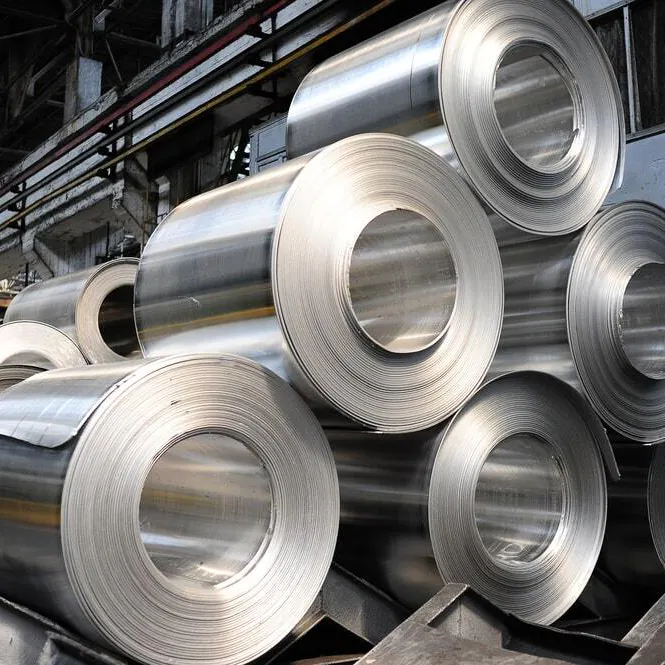
6082 aluminum alloy represents a high-strength structural metal within the magnesium and silicon 6000 series. The 6082 aluminum alloy replaced older alloys in many structural applications due to superior mechanical performance. Construction industries utilize the medium-strength metal for highly stressed components such as bridges or cranes. Automotive sectors value the substance for its excellent corrosion resistance and ability to withstand heavy loads. The alloy contains manganese to control grain structure and enhance overall durability. Extrusions made from the metal provide versatility in manufacturing complex geometric profiles. Engineers prefer the material for structural projects requiring a balance of weight and resilience. Heat treatment processes improve the hardness of the metal for industrial use. Marine environments benefit from the ability of the metal to resist saltwater degradation. The selection of 6082 Aluminum Alloy ensures high reliability for critical engineering components.
What Are the main properties of 6082 Aluminum Alloy?
The main properties of 6082 Aluminum Alloy are listed below.
- Strength: The material provides high tensile strength compared to other members of the 6000 series. Structural engineers utilize the metal for heavy-duty frames and support structures.
- Weight: Low density characterizes the metal and facilitates lightweight construction without sacrificing integrity. Transport sectors utilize the alloy to improve fuel efficiency and payload capacity.
- Thermal Conductivity: The alloy dissipates heat efficiently through its crystalline structure. Manufacturing processes benefit from rapid temperature regulation during high-stress operations.
- Corrosion Resistance: Surface oxidation forms a protective layer that prevents deep material decay. Marine hardware and outdoor structures maintain longevity through the inherent resistance of the 6082 Aluminum Alloy.
How Does 6082 Aluminum compare to 6061 Aluminum Alloy?
To compare 6082 aluminum to 6061 Aluminum Alloy, follow the four steps below.
- Analyze Tensile Strength. 6082 aluminum provides higher tensile strength values than the standard 6061 alternative. The structural capacity makes the material more suitable for the European market, where the metal remains prevalent.
- Compare Hardness Levels. The 6082 variant exhibits greater hardness due to its specific manganese content. Manganese additions refine the grain structure and improve mechanical resistance.
- Evaluate Corrosion Resistance. 6082 aluminum and 6061 Aluminum alloys demonstrate high resistance to environmental factors and atmospheric degradation. Marine applications frequently utilize 6082 aluminum and 6061 aluminum alloy metals for reliable performance.
- Review Machinability Ratings. 6061 aluminum alloy offers slightly better machinability for high-speed manufacturing tasks. The 6061 Aluminum Alloy remains the most common general-purpose metal in the United States.
What is the Tensile Strength of 6082 Aluminum Alloy?
The tensile strength of 6082 aluminum alloy ranges between 130 MPa and 330 MPa, depending on the temper. Tempering states like T6 provide the maximum strength for structural components and heavy-duty industrial frames. Yield strength values remain high at approximately 250 MPa to 280 MPa for T6 extrusions. Tensile properties ensure the metal handles significant stress without permanent deformation or failure. Engineering projects require specific metrics to calculate safety factors for bridges and cranes. The material demonstrates resilience under high mechanical loads and pressure. Strength-to-weight ratios make the metal a superior choice for aerospace and automotive parts. Laboratory testing confirms the consistency of the mechanical values across different batches. The Tensile Strength provides the necessary data for critical infrastructure design.
Where is 6082 Aluminum Alloy commonly used?
The 6082 Aluminum Alloy is commonly used in, are listed below.
- Construction: Structural frames and support beams utilize the metal for long-term stability. Scaffolding systems benefit from the high strength and portable weight of the alloy.
- Bridges: Heavy-duty walkways and bridge components rely on the metal for atmospheric durability. Corrosion resistance ensures the structures remain safe in varied weather conditions.
- Marine: Ship superstructures and deck fittings utilize the metal to provide structural strength in marine environments. The alloy maintains structural integrity in aggressive aquatic environments.
- Transport: Rail cars and truck bodies utilize the material to reduce overall vehicle mass. Improved payload capacities result from the lightweight nature of the 6082 Aluminum Alloy.
How Do 6082 Aluminum Suppliers Ensure Quality?
To ensure the quality of 6082 aluminum supplies, follow the 4 steps below.
- Inspect Raw Materials. Suppliers verify the chemical composition of the primary ingots through spectroscopic analysis. Pure elements ensure the alloy meets international standards for mechanical performance.
- Monitor Heat Treatment. Technicians regulate temperatures during the aging process to achieve specific temper requirements and mechanical properties. Precise thermal control determines the final hardness and durability of the metal.
- Conduct Ultrasonic Testing. Non-destructive examination reveals internal defects or inclusions within the metal structure. High-density inspections guarantee the safety of the material for critical applications.
- Verify Dimensional Accuracy. Calibrated tools measure the tolerances of extrusions to match client specifications exactly. Adherence to precise measurements ensures Quality.
Is 6082 Aluminum Alloy suitable for welding?
Yes, 6082 aluminum alloy is suitable for welding using standard gas metal arc or gas tungsten arc techniques. The material is suitable for welding, though designers must account for a significant reduction in strength (up to 40% to 50%) in the heat-affected zone (HAZ). Heat-affected zones require careful consideration during the design of load-bearing structures. Weldability remains a key advantage for fabricating large assemblies such as bridge sections or marine vessels. Proper filler metals such as 4043 or 5356 ensure strong and durable joints.
Can 6082 Aluminum Alloy be anodized?
Yes, 6082 aluminum alloy can be anodized to improve surface protection and aesthetic appearance. The process creates a hard oxide layer that increases wear resistance and prevents further environmental corrosion. Clear or colored finishes allow for decorative use in architectural and consumer products. Hard anodizing provides an even thicker protective barrier for heavy-duty industrial parts. The metal accepts the electrolyte treatment readily due to its specific chemical composition. The surface of the metal remains durable and attractive after becoming Anodized.
What Factors Influence the Pricing of 6082 Aluminum Alloy?
Factors that influence pricing for 6082 aluminum alloy remain dependent on global raw material costs and energy consumption during manufacturing. The London Metal Exchange serves as a primary reference for the base price of aluminum ingots. Supply chain logistics and shipping distances impact the final cost for regional distributors. Extrusion complexity and customized profile shapes increase the manufacturing labor and tooling expenses. Market demand from the construction and automotive sectors creates seasonal fluctuations in metal availability. Bulk orders typically result in lower unit prices for large-scale infrastructure projects. Market data suggests a pricing range of $4.50 - $6.50 per kg for standard extrusions.. Budgeting for projects requires a buffer to accommodate sudden shifts in global commodity markets.
How To Select the Right 6082 Aluminum Supplier for Large Projects?
To select the right 6082 Aluminum supplier for large projects, follow the four steps below.
- Verify Certifications. Reliable partners maintain ISO standards and specific aerospace or automotive manufacturing credentials. Formal accreditation guarantees the consistency of the manufacturing process.
- Assess Production Capacity. High-volume projects require facilities capable of delivering large quantities within tight timelines. Lead times remain a critical factor for the success of construction schedules.
- Review Technical Support. Competent distributors provide material data sheets and engineering assistance for complex applications. Expert guidance simplifies the selection of tempers and surface treatments.
- Check Shipping Reliability. Logistics networks ensure the metal arrives without damage or delays at the job site. A dependable Aluminum Fabrication maintains clear communication regarding order status.
What Are the Environmental Benefits of 6082 Aluminum Alloy?
The environmental benefits of 6082 aluminum alloy include its high recyclability, low energy consumption in production, and lightweight nature. The recycling process for the metal requires only five percent of the energy used for primary production. Infinite recycling cycles do not degrade the mechanical properties or quality of the aluminum. Lightweight characteristics of the alloy reduce energy consumption in the transportation industry. Durable structures require fewer replacements and minimize the waste associated with material failure. Corrosion resistance eliminates the need for toxic protective coatings or frequent chemical treatments. Sustainable building practices utilize the metal to achieve green certifications for modern infrastructure. Low environmental impact makes the metal a preferred choice for eco-conscious engineering. The material represents a core component of the circular economy in the manufacturing sector.
Which Industries Benefit Most From 6082 Aluminum Alloy?
The industries that benefit most from 6082 Aluminum Alloy are listed below.
- Construction: Building projects benefit from the high strength-to-weight ratio and atmospheric resilience. Structural frames maintain integrity while reducing the load on the foundation.
- Automotive: Car manufacturers utilize the metal for chassis components and crash-protection systems. High energy absorption properties improve the safety of modern vehicles.
- Marine: Shipbuilding industries benefit from the ability of the metal to resist saltwater corrosion. Lightweight superstructures and structural frames allow for higher speeds and improved fuel economy for vessels using 6082 Aluminum Alloy.
Why Is 6082 Aluminum Alloy Often Chosen for Structural Applications?
Yes, 6082 aluminum alloy is often chosen for structural applications because it offers the highest strength among the 6000 series alloys. The material replaced the 6061 variant in many European projects due to superior mechanical specifications. Structural examples include heavy-duty cranes, bridge walkways, and roof trusses for large stadiums. High resistance to dynamic loads ensures the safety of people and equipment in industrial settings. The alloy maintains structural stability under extreme environmental stress and pressure.
"Optimizing 6082 for high-load structural applications requires a nuanced understanding of the trade-offs between its manganese-refined grain structure and the resulting yield strength reduction in post-weld conditions. Design engineers should focus on DFM strategies that isolate critical joints from peak stress areas: ensuring that the alloy's superior atmospheric resilience is not compromised by overlooked fatigue vulnerabilities in complex geometric extrusions."
What Are the Limitations of 6082 Aluminum Alloy?
The limitations of 6082 aluminum alloy include its relatively lower strength compared to 2000 or 7000 series alloys and the significant reduction in mechanical properties within the heat-affected zone after welding. Design calculations must account for its softened area to prevent structural failure at the joints. The material exhibits lower fatigue resistance compared to the 2000 or 7000 series alloys. High-speed machining remains slightly more difficult due to the manganese content within the grain structure. The alloy provides a balanced view by offering high corrosion resistance despite its mechanical weaknesses.
Summary
This article presented O1 tool steel, explained it, and discussed its various uses and limitations. To learn more about O1 tool steel, contact a Xometry representative.
Xometry provides a wide range of manufacturing capabilities and other value-added services for all of your prototyping and production needs. Visit our website to learn more or to request a free, no-obligation quote.
Disclaimer
The content appearing on this webpage is for informational purposes only. Xometry makes no representation or warranty of any kind, be it expressed or implied, as to the accuracy, completeness, or validity of the information. Any performance parameters, geometric tolerances, specific design features, quality and types of materials, or processes should not be inferred to represent what will be delivered by third-party suppliers or manufacturers through Xometry’s network. Buyers seeking quotes for parts are responsible for defining the specific requirements for those parts. Please refer to our terms and conditions for more information.