
Silicon Bronze vs. Brass: What Are the Key Differences?


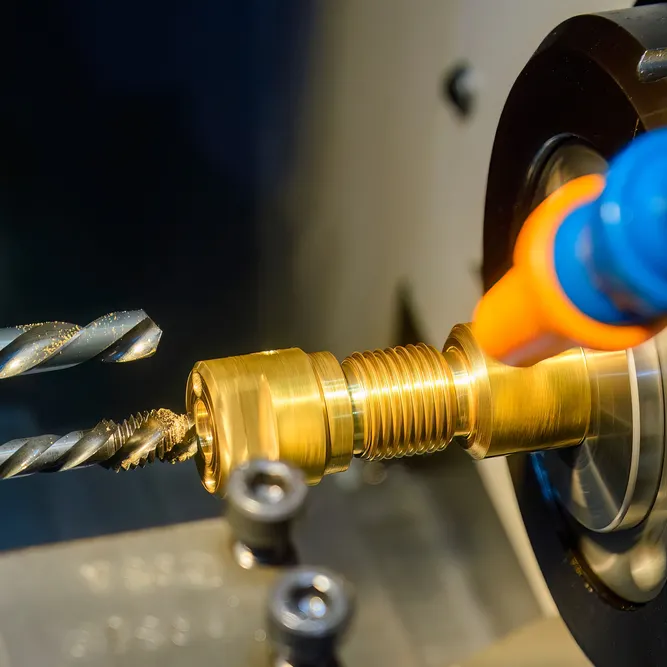
Silicon bronze and brass are both copper-based alloys, but they differ significantly in their chemical composition, mechanical properties, and typical applications. Silicon bronze is primarily composed of copper (Cu) with about 2–6% silicon (Si) and small amounts of other elements such as zinc (Zn), tin (Sn), manganese (Mn), or iron (Fe), depending on the specific alloy grade. The addition of silicon improves strength, corrosion resistance, and weldability, making silicon bronze particularly suitable for marine, architectural, and electrical applications. It is also known for its excellent resistance to dezincification and high performance in saltwater environments.
Brass, by contrast, is an alloy of copper and a higher proportion of zinc, typically ranging from 5% to 45%, which significantly influences its appearance and mechanical properties. Variants of brass may also contain small amounts of lead (Pb), tin (Sn), or iron (Fe) to improve machinability or strength. Brass is characterized by its malleability, good corrosion resistance in mild environments, and ease of casting and machining. It is widely used in plumbing fixtures, musical instruments, decorative hardware, and precision components.
This article will examine the key differences between silicon bronze and brass in terms of their composition, mechanical and corrosion properties, typical applications, and the respective advantages and disadvantages of each alloy.
What Is Silicon Bronze?
Silicon bronze is a copper-based alloy that typically contains about 2–6% silicon (Si) along with trace amounts of other elements such as zinc (Zn), tin (Sn), manganese (Mn), or iron (Fe). It is known for its exceptional corrosion resistance, particularly in marine and high-humidity environments, making it a valuable material for outdoor structures, boat hardware, marine fasteners, architectural elements, and electrical connectors. Silicon bronze also offers high strength, excellent weldability, and good thermal and electrical conductivity, making it suitable for both structural and conductive applications.
To learn more, see our complete guide on Silicon Bronze.
What Is Another Name for Silicon Bronze?
Several alternate names and trade designations, including Everdur, C65500, and siliconized bronze, are also known as Silicon bronze.
- Everdur is a proprietary trade name for a specific type of silicon bronze alloy known for its excellent corrosion resistance, high strength, and weldability. It is commonly used in sculpture, marine hardware, and architectural applications.
- C65500 is an ASTM alloy designation (also referred to as High-Silicon Bronze A), which defines a silicon bronze alloy typically containing 96% copper and 2.8-3.8% silicon, with small amounts of other elements.
- Siliconized bronze is a general term that refers to copper alloys with elevated silicon content, and is sometimes used informally to describe this family of materials.
While these terms are often used interchangeably, it is essential to note that they may refer to slightly different compositions or proprietary formulations within the broader category of silicon bronze alloys.
What Is Silicon Bronze Made Of?
Table 1 outlines the typical composition of silicon bronze:
Table 1: Constituents of Silicon Bronze
Exact compositions vary moderately between various specific silicon bronze grades.
What Does Silicon Bronze Look Like?
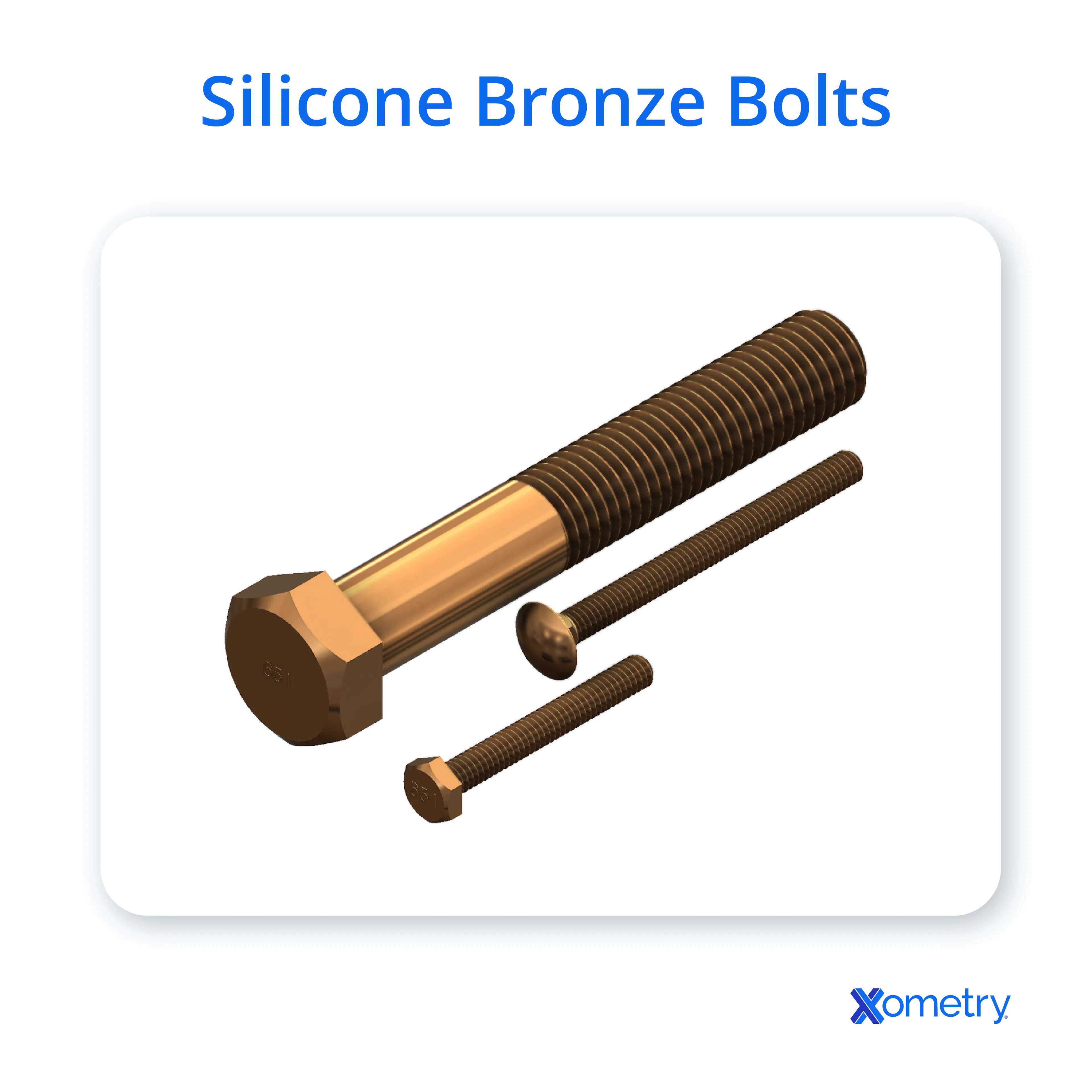
Silicon bronze typically has a distinctive red-brown or golden color when freshly manufactured. Over time, when exposed to the environment, it develops a darker patina with shades of brown or green due to oxidation and the formation of copper compounds. This patina contributes to its corrosion resistance by forming a barrier against oxygen, moisture, mild acids, and alkalis.
The exact color/shade appearance of Silicon bronze can vary depending on factors like alloy composition, surface finish, and exposure to environmental conditions.
What Are the Different Types of Silicon Bronze?
Silicon bronze alloys are classified into different grades based on their specific compositions and properties. Table 2 outlines some common silicon bronze grades and their corresponding ASTM (American Society for Testing and Materials) designations:
Table 2: Grades of Silicon Bronze
Grades may vary in composition based on the specific manufacturer and are selected based on the desired properties and intended applications.
How Does Silicon Bronze Differ From Bronze?
Silicon bronze differs from traditional bronze primarily in its composition. While both are copper alloys, silicon bronze contains silicon (Si) as a significant alloying element and minimal to no tin (Sn).
Silicon bronze is known for its enhanced corrosion resistance and strength compared to basic bronze, making it suitable for applications where durability and resistance to environmental factors are required. Traditional bronze may have different properties depending on the specific tin content and may be chosen for its historical significance, aesthetic appeal, lower cost, or specific mechanical properties.
To learn more, see our guide on the Composition of Bronze.
What Are the Advantages of Silicon Bronze?
Silicon bronze offers several advantages that make it a desirable material for various applications. These advantages include:
- Silicon bronze demonstrates outstanding resistance to corrosion, particularly in marine, saltwater, and industrial environments. Its ability to withstand harsh conditions makes it ideal for boat hardware, marine fasteners, and outdoor architectural components.
- The alloy offers high tensile strength, hardness, and fatigue resistance, which contribute to its durability and extended service life, even in demanding environments.
- Silicon bronze retains its mechanical properties at elevated temperatures, making it suitable for applications involving thermal cycling or continuous exposure to heat.
- It is generally non-toxic and biocompatible, allowing for limited use in medical and dental equipment, except in rare cases of individual sensitivity to copper or its salts.
- The alloy features a naturally attractive red-brown to golden hue, which develops a stable patina over time. This makes it popular for architectural facades, sculptures, and design elements where both function and appearance are essential.
- Silicon bronze is readily machinable, weldable, and formable, allowing it to be shaped into complex geometries with minimal difficulty. It is especially favored in TIG and MIG welding due to its clean arc characteristics and minimal spatter.
What Are the Disadvantages of Silicon Bronze?
While silicon bronze offers numerous advantages, it also has some disadvantages. These disadvantages include:
- Silicon bronze is generally more expensive than other copper alloys such as brass or phosphor bronze, due to its composition and specialized manufacturing processes.
- With a density of approximately 8.5-8.8 g/cm³, silicon bronze is heavier than many engineering materials, which may limit its use in weight-sensitive applications, such as aerospace or lightweight structural components.
- Certain high-performance or proprietary silicon bronze grades may not be as readily available as more common metals, leading to longer lead times or higher procurement costs.
- While machinable, silicon bronze is harder and more abrasive than softer alloys, such as brass. This can lead to increased tool wear and may require specialized tooling or reduced cutting speeds for precision machining.
- Although it offers good electrical and thermal conductivity relative to structural metals, silicon bronze is less conductive than pure copper or phosphor bronze, making it less suitable for high-performance electrical applications.
Is Silicon Bronze Heavier Than Brass?
It depends. The density of materials can vary depending on their composition and specific alloy. The density of silicon bronze typically ranges from 8.82 to 8.92 g/cm³. Brass alloys can have varying densities depending on the specific composition. On average, the density of brass varies from 8.49 to 8.92 g/cm³. Therefore, silicon bronze can have a higher density than brass for some grades.
What Is Brass?
Brass is a copper-based alloy primarily composed of copper (Cu) and zinc (Zn). The proportions of these elements can vary, typically containing 5% to 45% zinc, which significantly influences the alloy's color, mechanical properties, and corrosion resistance. The resulting material ranges in appearance from bright yellow to reddish-gold, depending on zinc content and the presence of trace elements. Brass is known for its high malleability and ductility, making it easy to form, machine, and cast into a wide range of components. It also offers good corrosion resistance in non-aggressive environments, such as indoor or mildly humid settings, and is resistant to tarnishing. Additionally, brass has excellent electrical conductivity and is frequently chosen for its aesthetic appeal in decorative art, architectural elements, and jewelry. Certain brasses are prized for acoustic qualities (excellent resonance, low damping, and a smooth frequency response), leading to their use in musical instruments like trumpets and saxophones.
To learn more, see our complete guide on Brass Material.
What Is Another Name for Brass?
Brass is known by various names and designations depending on its specific composition and applications. Some of its different names include yellow brass, cartridge brass, and architectural bronze.
What Is Brass Made Of?
Table 3 outlines the typical composition of brass alloying elements:
Table 3: Constituents of Brass
The composition of brass varies significantly based on the desired properties and intended applications.
What Does Brass Look Like?
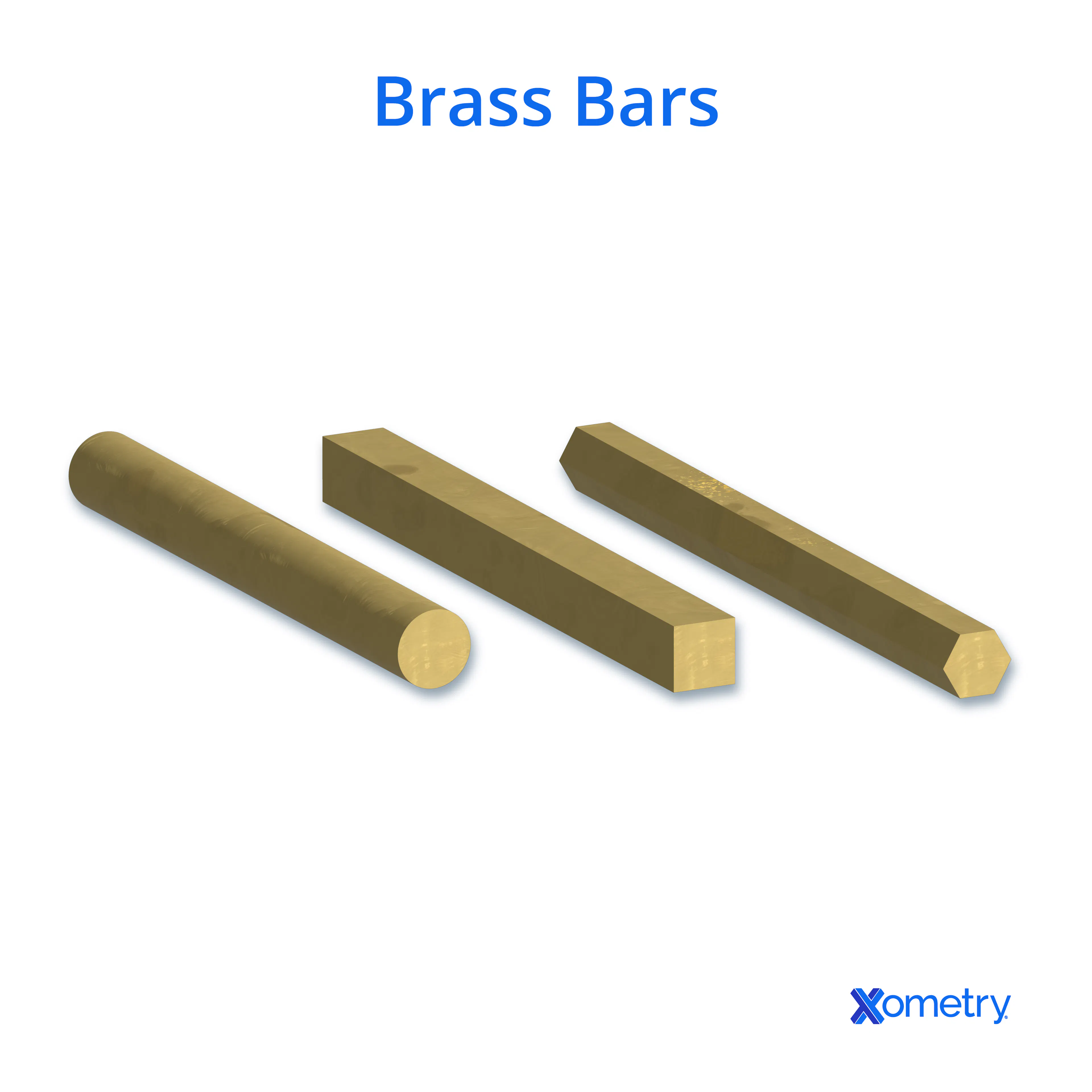
When polished, brass has a golden or reddish-golden color and forms a lustrous, reflective surface. Surfaces range from gloss reflective to matte or rough, but the oxide-free color remains the same. As the surface oxidizes, it takes on a dull red-brown hue that deepens over time and with atmospheric exposure, and may vary depending on the copper content. When exposed to acidic conditions, a green copper oxide forms that is fragile and powdery in nature.
What Are the Different Types of Brass?
The following list outlines some of the different types of brass:
- Yellow Brass: Refers to brass alloys with a higher zinc content (typically around 33% or more), such as C26000 (Cartridge Brass). These alloys exhibit a bright, golden-yellow color and are valued for their formability and aesthetic appeal.
- Red Brass: Contains a higher proportion of copper (usually over 85%), giving it a reddish tone. An example is C23000, often used in plumbing and decorative fittings. Despite the name, some red brasses may also contain small amounts of tin and lead.
- Cartridge Brass: Typically C26000, this alloy consists of approximately 70% copper and 30% zinc. It is known for its excellent cold workability, making it suitable for applications such as ammunition casings.
- Naval Brass: A corrosion-resistant brass typically composed of approximately 60% copper, 39% zinc, and 1% tin (e.g., C46400). The addition of tin improves resistance to dezincification and corrosion in marine environments.
- Free-cutting Brass: Designed for enhanced machinability, often by adding small amounts of lead (e.g., C36000, also known as "leaded brass"). These alloys are widely used in precision machining.
- Architectural Brass: Encompasses various brass compositions chosen for decorative architectural elements. These alloys are typically selected for their color, finish, and ease of fabrication, and may include yellow or red brasses depending on design requirements.
Note: Brass alloys are commonly identified by Unified Numbering System (UNS) (e.g., C26000 for Cartridge Brass), which provides a standardized reference for composition and properties.
How Does Brass Differ From Bronze?
Brass and bronze are both copper alloys, but they differ in their primary alloying elements and properties. Brass is primarily composed of copper and zinc, with other metals in varying proportions to achieve specific properties. Bronze is composed of copper and tin, forming a distinct family of materials.
Brass and bronze typically have a yellow/gold to red-brown color, depending on the proportion of copper. Brass is known for its excellent malleability, corrosion resistance, and electrical conductivity. It is often chosen for decorative and functional applications, including plumbing fixtures, musical instruments, and electrical connectors.
Bronze is recognized for its strength, hardness, corrosion resistance, and durability. It is often used in applications where higher mechanical properties are essential, such as bearings, sculptures, and historical artifacts.
What Are the Advantages of Brass?
Brass offers several advantages that make it a preferred material in many applications. Those advantages include:
- Exhibits excellent resistance to corrosion in non-saline and mildly corrosive environments, making it suitable for plumbing components and some marine hardware.
- Highly malleable and machinable, allowing for efficient shaping, cutting, and forming. This makes brass ideal for components requiring intricate designs or tight tolerances.
- Naturally golden to red-brown, brass is commonly used in decorative hardware, musical instruments, and architectural elements. It can be polished to a high shine, but it will eventually tarnish. To preserve appearance, transparent lacquer coatings are often applied.
- Offers good electrical conductivity, typically ranging from 15-30% IACS depending on alloy composition. This makes it suitable for connectors, terminals, and low-voltage applications.
- Environmentally sustainable, as brass can be recycled repeatedly without significant loss of properties. This contributes to waste reduction and resource conservation.
- Good ductility enables the alloy to undergo various forming processes such as bending, drawing, or spinning without cracking.
- The long-standing use in art, coinage, and heritage artifacts enhances its value and appeal, particularly in applications where tradition and aesthetic appeal are crucial.
What Are the Disadvantages of Brass?
Brass is a versatile alloy with numerous advantages, but it also has some disadvantages that must be taken into account. Those disadvantages include:
- Brass can be more expensive than alternative materials due to the relatively high commodity price of copper, its primary constituent.
- Although brass generally offers good corrosion resistance, it is susceptible to aggressive corrosion in specific environments, particularly in the presence of chlorides, ammonia, acetates, and some acids. These conditions can significantly shorten the service life of brass components.
- Certain brass alloys, such as free-machining brasses (e.g., C36000), contain lead to improve machinability. Lead can be toxic if ingested or improperly handled, and such alloys may not comply with modern health or environmental regulations (e.g., RoHS or NSF/ANSI standards) for potable water or food-contact applications.
- Brass has a density of approximately 8.4-8.7 g/cm³, making it heavier than materials such as aluminum or specific polymers. This can be a disadvantage in weight-sensitive applications, such as those in the aerospace industry or for portable devices.
- Brass has a relatively low melting point (~900-940 °C) and may not perform well in high-temperature environments compared to other metals, such as stainless steel or certain bronzes.
- In wet or marine environments, some brass alloys (especially those with high zinc content) may experience dezincification. This selective corrosion process removes zinc, leaving behind a weakened, porous copper structure.
- Brass generally lacks the wear resistance of harder metals or surface-treated alloys, limiting its effectiveness in high-friction or abrasive applications unless surface-hardened or paired with wear-resistant materials.
Is Brass Softer Than Silicon Bronze?
In general, yes, brass is softer than silicon bronze. Silicon bronze alloys are known for their relatively high hardness compared to many brass alloys. Brass alloys are more valued for their malleability and ease of machining, which are characteristics of softer materials.
How To Choose Between Silicon Bronze and Brass?
Choosing between silicon bronze and brass depends on the specifics of your application. Take the considerations from the following list into account when making your choice:
- Strength vs. Malleability: If your application requires strength, durability, and resistance to wear, silicon bronze may be the better choice due to its higher hardness and malleability. For applications in which malleability and ease of fabrication are more critical, brass may be preferred.
- Corrosion Resistance: Both silicon bronze and brass offer good corrosion resistance; however, the choice may depend on the specific environmental conditions your application will encounter. Brass has higher sensitivities to particular environments than silicon bronze.
- Aesthetic Considerations: Consider the color and appearance of the material, as both alloys have distinct visual characteristics.
- Cost: Brass is often lower in price in material and processing than silicon bronze, which can be harder to work with.
The selection of silicon bronze or brass for a component/application should align with the product’s specific mechanical, environmental, and budgetary pressures.
“Silicon bronze offers superior mechanical strength, weldability, and long-term corrosion resistance, making it well-suited for structurally demanding or marine applications where material integrity is critical. Brass, while less robust, is more suited for high-precision machining and forming due to its excellent ductility and thermal conductivity, making it a reliable choice for intricate components and moderate-environment applications.”
What Are the Properties of Silicon Bronze and Brass?
Table 4 summarizes some of the key properties of two common types of silicon bronze:
Table 4: Properties of Silicon Bronze
The precise properties of silicon bronze will vary with grade, heat treatment, and manufacturing processes.
Table 5 outlines the key properties of two common types of brass:
Table 5: Properties of Brass
The exact properties of brass also vary with grade, heat treatment, and manufacturing processes.
How Can Xometry Assist You With Your Silicon Bronze or Brass Needs?
Xometry is an invaluable resource for fulfilling your silicon bronze or brass material needs as a manufacturing and supply-chain platform. Xometry provides access to a network of validated suppliers, helping you source high-quality materials that meet your specifications. They also offer a range of manufacturing services, including CNC machining and sheet metal fabrication. These services can be applied to components made from silicon bronze or brass alloys.
Whether you need prototypes or large-scale production runs, Xometry's manufacturing capabilities will flexibly accommodate your requirements. Xometry ensures quality control and compliance with material specifications. Xometry's online platform streamlines the procurement process, enabling easy quote requests, order placement, and delivery tracking.
How To Identify Silicon Bronze and Brass?
Identifying and differentiating between silicon bronze and brass can be challenging because they often share similar visual characteristics, such as color and luster. However, some methods may help:
- Silicon bronze and brass both have a red-brown to yellow color, depending on surface oxidation. Brass, however, tends to have a brighter, more golden hue, while silicon bronze may appear slightly redder or duller because of the higher copper content.
- If the material is marked or stamped with a grade or alloy designation, this can reliably identify the material.
- When grinding the material, the sparks produced by silicon bronze tend to be fewer, shorter, and less intense compared to brass. A practiced eye or comparison with known samples can assess this.
What Are the Applications of Silicon Bronze and Brass?
Silicon bronze and brass find applications in various industries and sectors due to their unique properties. Silicon bronze’s applications range from:
- Marine and architectural hardware
- Electrical contacts
- Art and sculptures
- Fasteners
- Musical instruments (strings, valves, cymbals)
Brass, on the other hand, is used for:
- Plumbing fittings
- Musical instruments (tubes, flares, valves, keys)
- Decorative items
- Munitions cartridge casings
- Valves and fittings
How Much Do Silicon Bronze and Brass Cost?
Silicon bronze bar stock can generally be purchased at moderate volumes for $5–7 per kg. The ingot price is highly variable, depending on quality and quantity, but typically ranges around $15,000 per ton. Brass is less costly, at around $5-10 per kilogram for bar stock and $7,000 to $10,000 per ton in ingot form, depending on quality and quantity.
Frequently Asked Questions About Silicon Bronze and Brass
Summary
This article presented silicon bronze and brass, explained each of them, and discussed their key differences. To learn more about both silicon bronze and brass, contact a Xometry representative.
Xometry provides a wide range of manufacturing capabilities and other value-added services for all of your prototyping and production needs. Visit our website to learn more or to request a free, no-obligation quote.
Disclaimer
The content appearing on this webpage is for informational purposes only. Xometry makes no representation or warranty of any kind, be it expressed or implied, as to the accuracy, completeness, or validity of the information. Any performance parameters, geometric tolerances, specific design features, quality and types of materials, or processes should not be inferred to represent what will be delivered by third-party suppliers or manufacturers through Xometry’s network. Buyers seeking quotes for parts are responsible for defining the specific requirements for those parts. Please refer to our terms and conditions for more information.