Which Sheet Cutting Material Should I Choose?


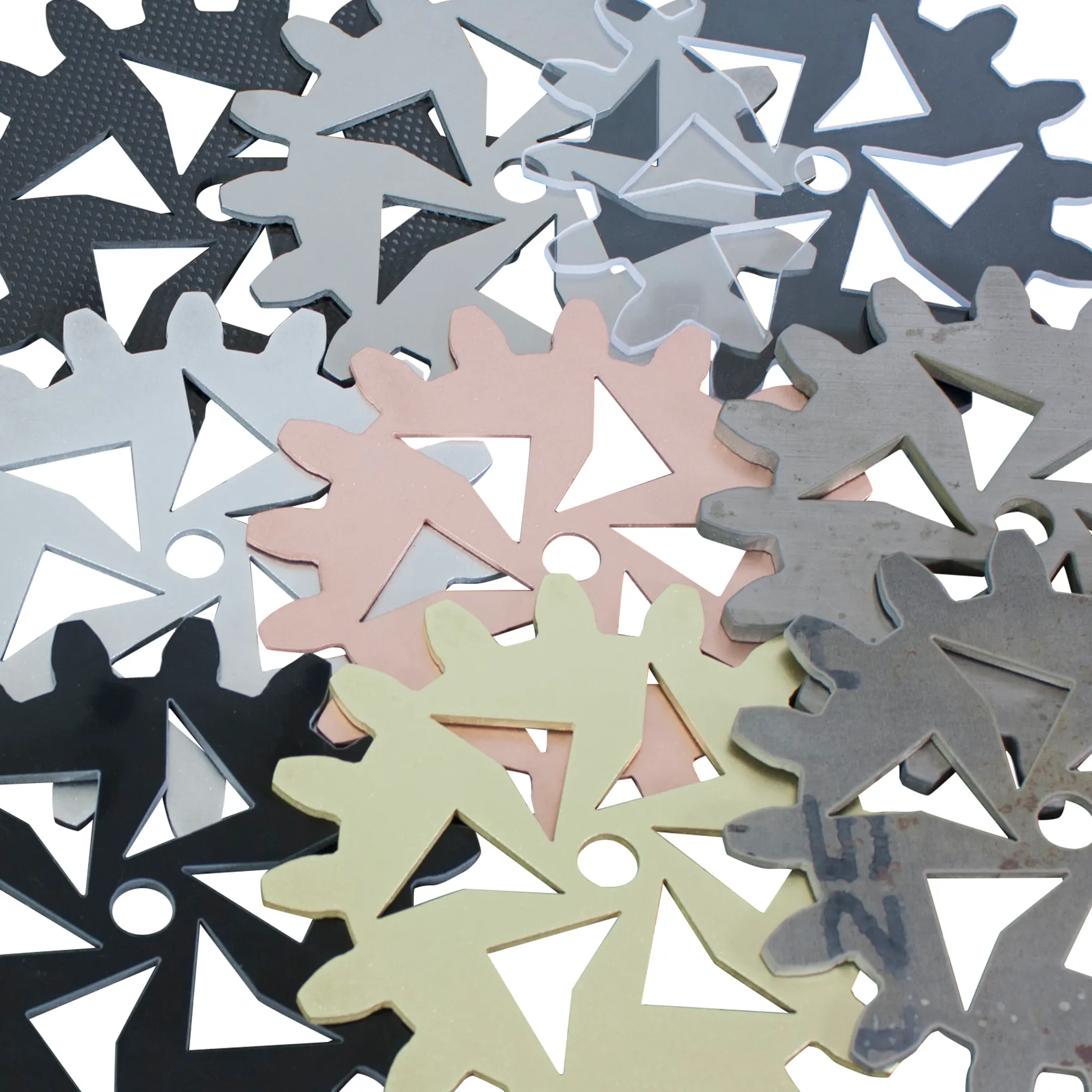
What Sheet Cutting Material Should I Choose?
Xometry offers dozens of materials for laser and waterjet cutting. They range from metals, plastics, foam, composite, and even wood. This list can be daunting, and each material available comes from different performance, cosmetic, or cost requirements.
If you are starting with sheet cutting, the truth is most projects can be a success with 6061 aluminum, 304 stainless, cold roll steel, or clear acrylic. Our customers have found that each of these four fills a unique niche. Read on to find why these four materials may become your go-tos as well!
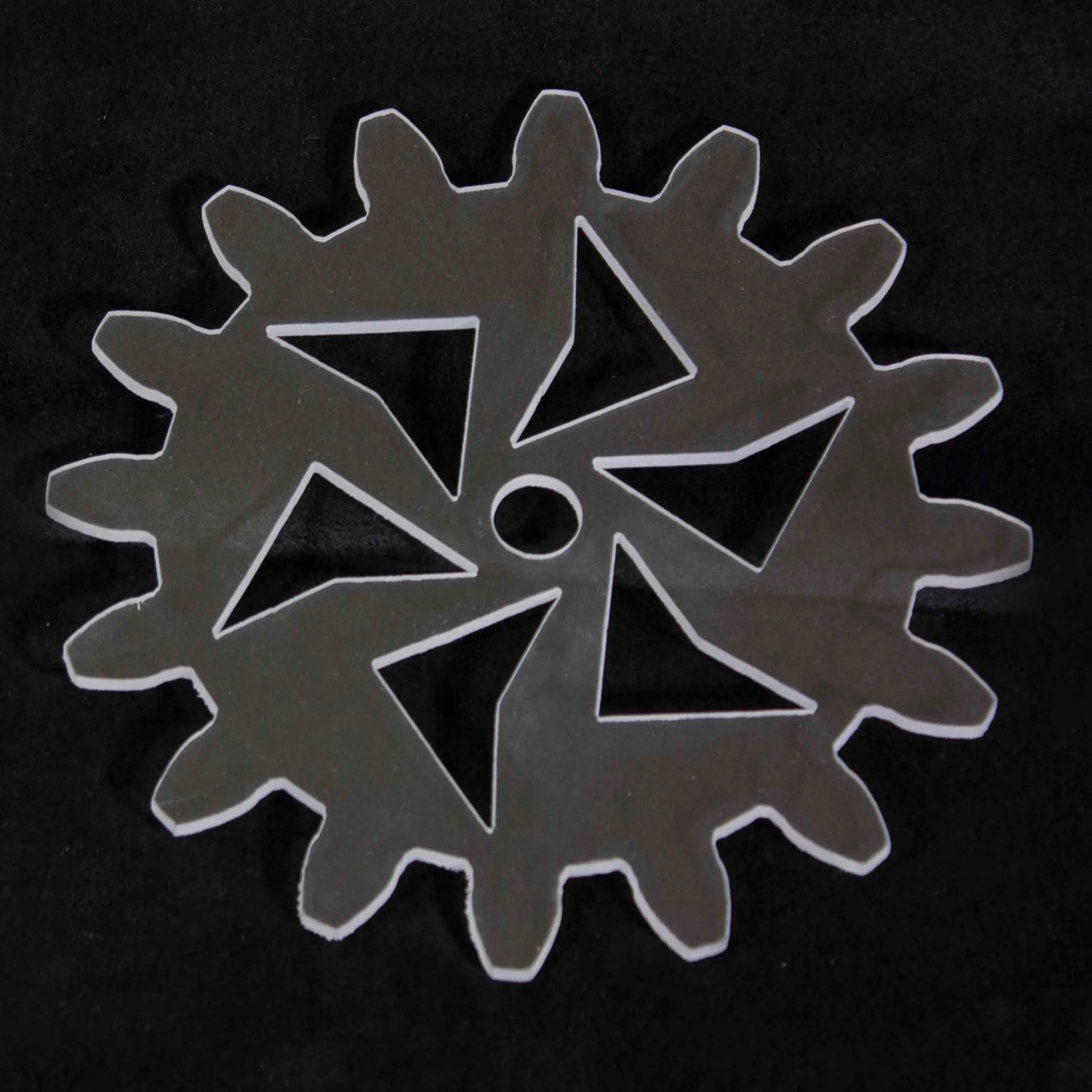
Clear Acrylic
An inexpensive plastic used for decorative purposes and where high strength is not required.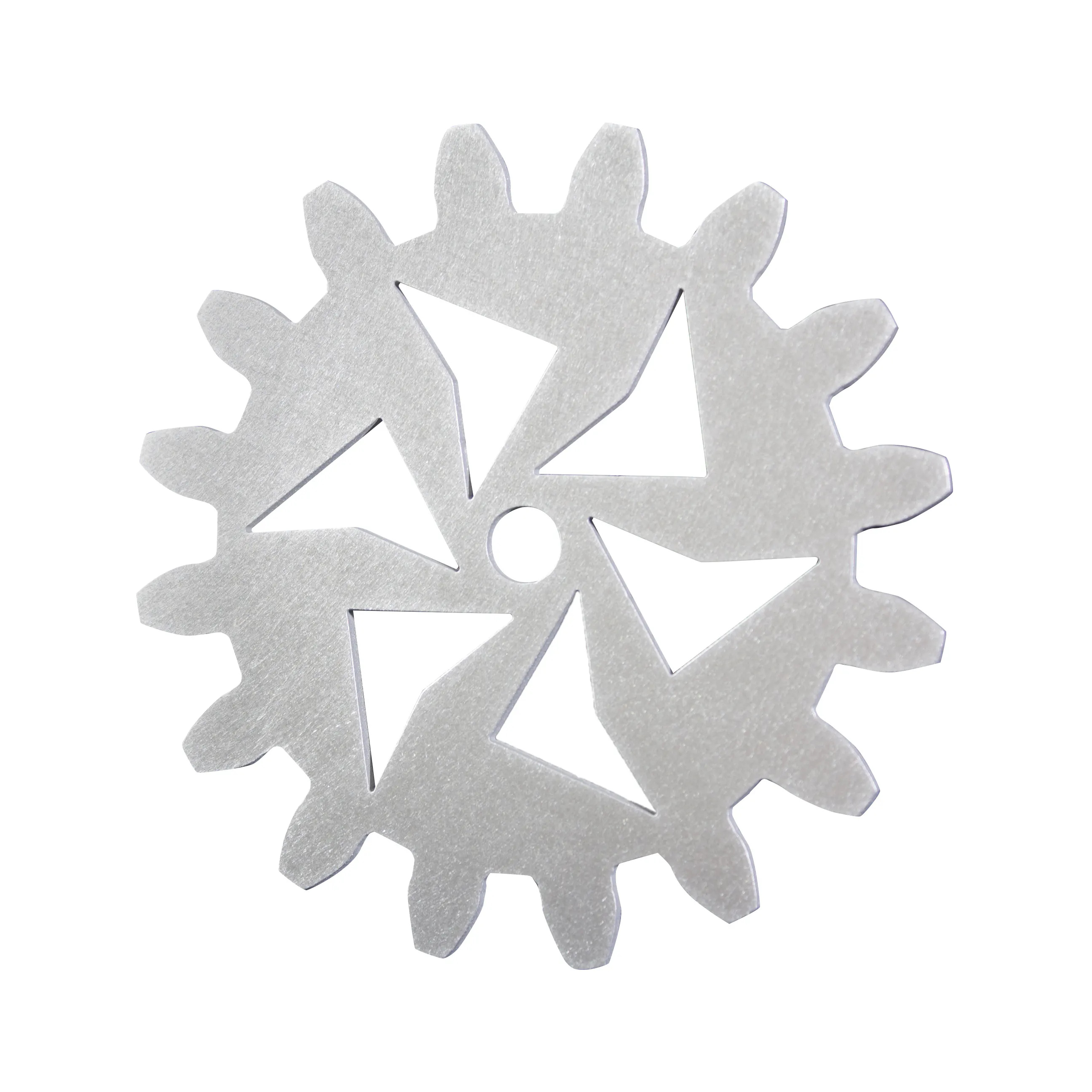
Aluminum 6061
A good general purpose, high strength aerospace aluminum alloy.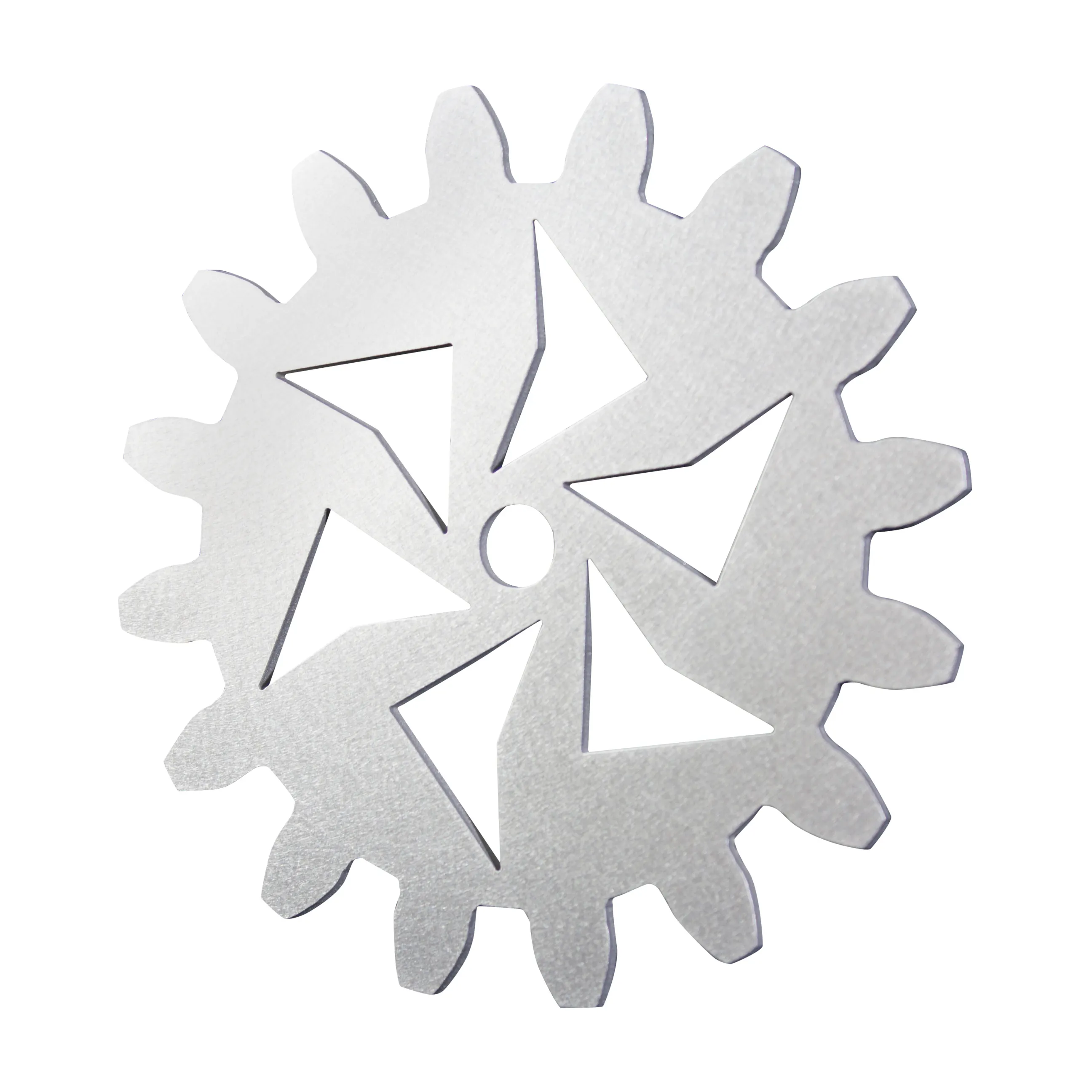
304 Stainless Steel
A good general purpose stainless steel.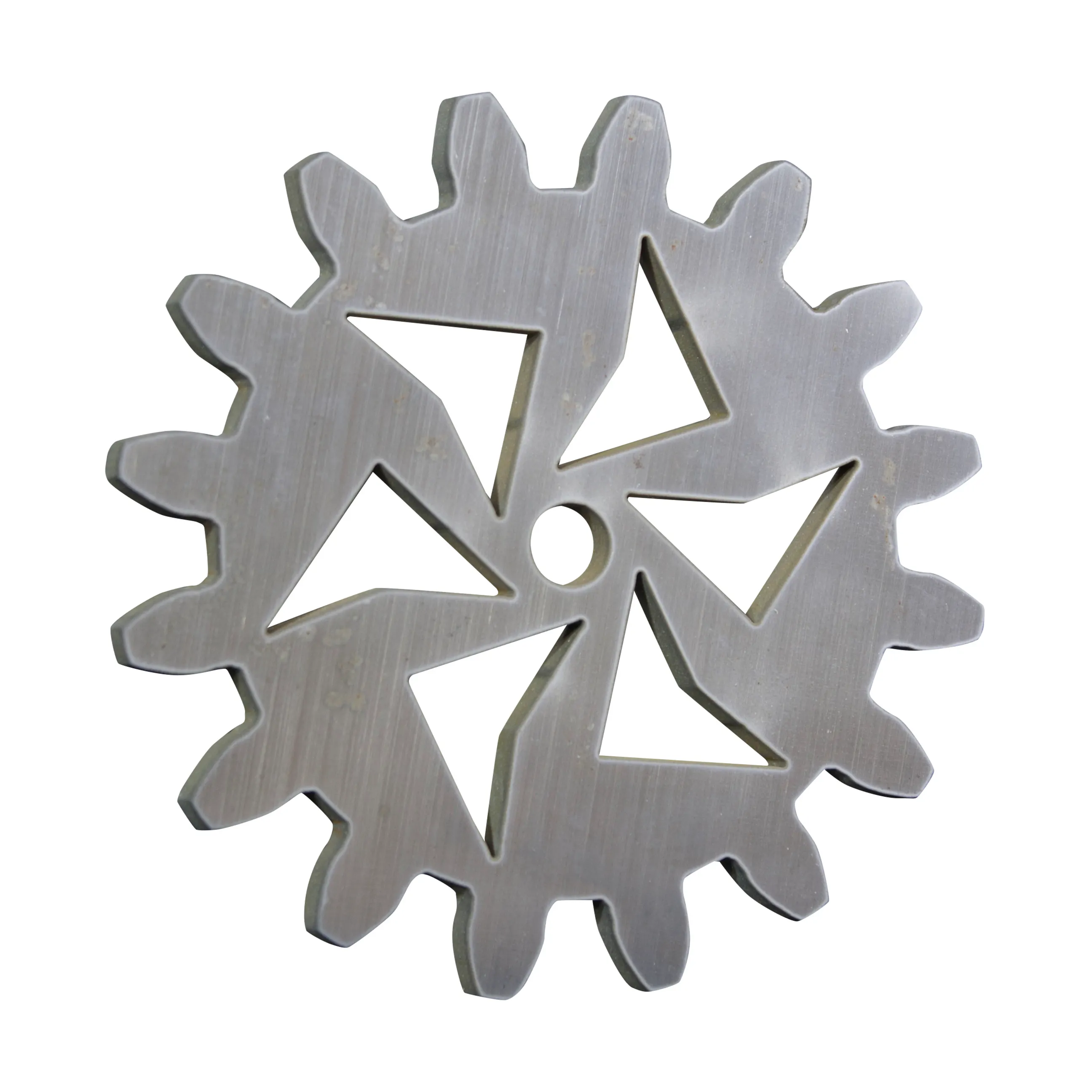
Cold Rolled Steel A366/1008
A strong general purpose steel with a clean surface finish.Comparing Popular Sheet Cut Materials
Here's a chart that ranks the four materials against each other in terms of cost, appearance, and specific strength (also known as strength-to-weight ratio). Range: okay, good, better, best.| Material | Cost | Appearance | Specific Strength |
|---|---|---|---|
| Material Clear Acrylic | Cost Best | Appearance Better | Specific Strength Okay |
| Material Aluminum 6061 | Cost Good | Appearance Good | Specific Strength Best |
| Material Stainless Steel 304 | Cost Okay | Appearance Best | Specific Strength Good |
| Material Carbon Steel | Cost Better | Appearance Okay | Specific Strength Better |
It's worth noting that though we've ranked them against each other in terms of appearance, none of these materials look particularly bad. Stainless steel is more durable than aluminum, and thus holds its finish better. If you need a transparent material, then, of course, a metal won't work at all and you need a plastic like clear acrylic.
When should I choose cold roll steel?
Cold roll steel doesn't come out on top of any of the above categories, but it's still useful. Why? It is harder (good for sliding or wearing parts), denser, and can be welded more easily than the other materials. It's also magnetic.
When should I choose acrylic?
Acrylic is the least expensive of the materials on the list, in part because it can be laser cut. The metric thicknesses, like 3 mm (0.118 inches) and 6 mm (0.236 inches) are less expensive than their inch equivalents.
Other Sheet Material Substitutes
Not quite happy with those four? Here are some other suggestions!| If you are considering... | But need... | Try... |
|---|---|---|
| If you are considering... Aluminum 6061 | But need... Better formability (ability to bend the material into shape) | Try... Aluminum 5052 |
| If you are considering... Aluminum 6061 | But need... Better electrical conductivity | Try... Copper 110 |
| If you are considering... Clear Acrylic | But need... Higher strength | Try... Clear Polycarbonate, Acetal, or UHMW-PE |
| If you are considering... Stainless Steel 304 | But need... Maximum corrosion resistance (like in salt water environments) | Try... Stainless Steel 316 |
| If you are considering... Stainless Steel 304 | But need... Lower cost | Try... Aluminum or one of the metallic appearance acrylics (Brushed Bright Nickel, for example) |
Of course, there are a few materials we offer that that don't appear on any of these charts: various kinds of wood, leather, and fabric. If you're considering these, you probably already have a good idea of what you need.

Learn more about Sheet Cutting
Disclaimer
The content appearing on this webpage is for informational purposes only. Xometry makes no representation or warranty of any kind, be it expressed or implied, as to the accuracy, completeness, or validity of the information. Any performance parameters, geometric tolerances, specific design features, quality and types of materials, or processes should not be inferred to represent what will be delivered by third-party suppliers or manufacturers through Xometry’s network. Buyers seeking quotes for parts are responsible for defining the specific requirements for those parts. Please refer to our terms and conditions for more information.