Black Oxide Coating


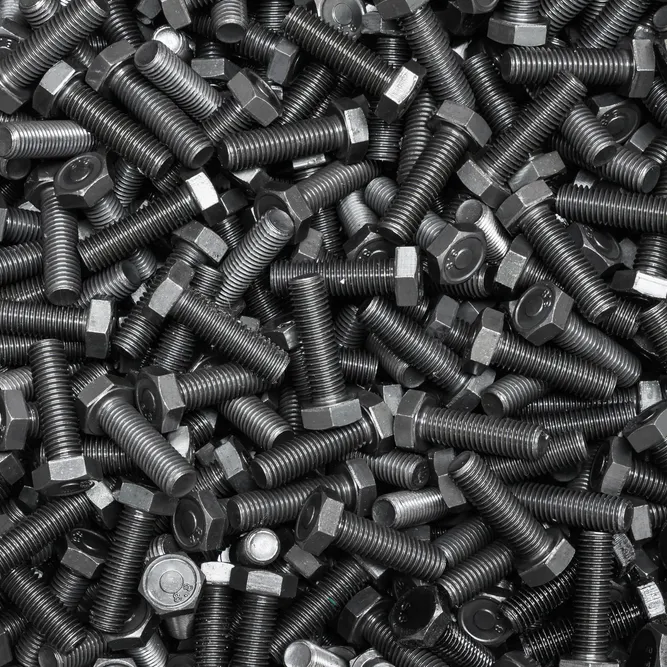
Black Oxide Coating is a chemical conversion finish used primarily on ferrous metals to improve appearance and provide mild corrosion resistance. Black Oxide Coating results from a chemical reaction between the iron on the surface and an alkaline salt solution. The finish transforms the outer layer into magnetite (Fe3O4), which presents a deep black color. Manufacturers select the method for precision parts because the process adds negligible dimensional thickness to the component.
The treatment finds use on gears, fasteners, and firearm components. Subsequent sections describe the mechanics of the chemical bath and the specific steps in the application.
The process involves immersion in an alkaline solution at temperatures from 285°F to 295°F. Subsequent rinsing and sealing stages ensure the longevity of the finish. The text explores the benefits of stainless steel and medium carbon alloys. Users find details on the industrial applications across the automotive and medical sectors. Comparison to anodized aluminum finishes highlights the differences in oxide formation. Safety protocols and design considerations for CNC machined parts receive detailed attention. The reliability of the finish depends on the quality of the post-treatment sealant (oil or wax). Standard thickness for the layer stays from [0.00006 to 0.0001] inches. The procedure remains a standard in the manufacturing industry for its efficiency and low cost.
What Is Black Oxide Coating?
Black oxide coating is a chemical conversion process that forms a black layer on metal surfaces. The procedure involves the immersion of ferrous parts in an alkaline salt solution at specific temperatures. The chemical reaction converts the surface iron into a stable magnetite layer. The coating maintains the original dimensions of the part because no material is added to the exterior. Precision components (gauges and surgical tools) benefit from the zero-build properties of the finish. The finish enhances the aesthetic appearance by providing a uniform matte or glossy black surface. Basic corrosion resistance comes from the combination of the oxide layer and a topical sealant. The finish reduces light reflection, which is essential for optical equipment and firearms. Standard thickness for the layer stays from [0.000005 to 0.000010] inches. The process remains cost-effective compared to electroplating or powder coating. Industrial sectors rely on the finish for its functional and decorative balance. The reliability of the barrier depends on the integrity of the final oil film.
How Does Black Oxide Coating Work?
Black oxide coating works by initiating a chemical reaction from the iron on the part surface and an oxidizing salt solution. The bath contains a mixture of sodium hydroxide, sodium nitrites, and sodium nitrates. High temperatures facilitate the conversion of iron into black iron oxide (Fe3O4). The oxide layer integrates into the substrate rather than sitting on top as a separate coating. The chemical bond ensures the finish does not chip or peel under mechanical stress. Porosity in the magnetite layer allows for the absorption of oils and waxes during the final stage. The secondary sealant provides the primary defense against oxidation and moisture. The depth of the black color depends on the duration of the immersion and the concentration of the chemicals. Continuous monitoring of the bath temperature ensures a consistent reaction across the entire surface. The process creates a non-reflective finish suitable for high-glare environments. Correct chemistry management prevents the formation of red rust during the treatment.
What Happens During the Black Oxide Coating Process?
The Black Oxide coating process happens when the metal surface forms a black oxide layer through chemical reactions. The operation begins with thorough cleaning to remove grease and scale from the parts. The metal reacts with chemicals (sodium hydroxide) in a hot alkaline bath. Surface iron converts to magnetite as the oxidizing agents donate oxygen to the metal atoms. The reaction proceeds until a stable and uniform layer covers the component. Rinsing stages remove residual salts to prevent the formation of white blooms on the finished part. The final step involves the application of a supplementary coating (oil or lacquer) to fill the pores of the oxide. The sealant prevents moisture from reaching the base metal. The chemical transformation results in a durable finish that resists mild abrasion. The absence of electrical current distinguishes the method from anodizing or plating. Uniformity is achieved on complex internal geometries and blind holes. The sequence ensures a professional result for high-volume manufacturing.
Does Black Oxide Change the Surface of Metal? Yes, black oxide changes the surface of metal by converting the outer layer into a chemical oxide. The transformation alters the molecular structure of the top [1.5 to 2.5] microns of the substrate. No material is added to the component, which preserves the original dimensional tolerances. The surface is chemically altered to form magnetite (Fe3O4) rather than red iron oxide (Fe2O3). The conversion process provides a change in color from gray to deep black. The texture of the surface remains identical to the pre-treated condition. Smooth surfaces result in glossy finishes while rough surfaces produce matte appearances. The chemical change creates a porous structure that acts as a reservoir for corrosion-inhibiting lubricants. The finish improves the durability of the component by preventing the progression of atmospheric rust. The integration of the oxide layer prevents the peeling associated with paints. Dimensional stability makes the treatment ideal for high-precision assemblies. The transformation happens at the molecular level without bulk distortion.
Why Is Black Oxide Coating Used on Steel?
Black oxide coating is used on steel to improve corrosion resistance and reduce glare. The finish enhances surface properties for components that require precise fitment. The treatment reduces reflection, which improves safety for operators of heavy machinery. The process protects the metal from oxidation when combined with a protective oil. Steel parts (fasteners and hand tools) benefit from the uniform black aesthetic. The finish does not interfere with the movement of gears or threaded assemblies. Surface hardness remains unchanged while the lubricity of the part increases. The method provides an economical alternative to chrome or nickel plating. Steel components in the automotive industry utilize the coating for engine parts and interior hardware. The absence of hydrogen embrittlement is a critical factor for high-strength steel fasteners. The finish maintains the integrity of the material properties of the metal. Corrosion protection depends on the periodic maintenance of the oil film. The treatment represents a standard finish for Steel Metal.
What Are the Main Benefits of Black Oxide on Steel?
The main benefits of Black Oxide on steel are listed below.
- Improves corrosion resistance: The porous magnetite layer absorbs oil to prevent moisture contact with the substrate. The combination offers moderate protection against atmospheric rust in indoor environments. The effectiveness depends on the quality of the supplementary sealant.
- Reduces light reflection: The deep black finish absorbs light to eliminate glare and distractions for the user. Optical devices and firearms rely on the non-reflective surface for functional performance. The matte quality improves visibility in high-intensity lighting.
- Maintains original dimensions: The chemical conversion process adds zero thickness to the exterior of the component. Precision parts maintain their exact tolerances after the completion of the treatment. The feature is essential for gears, bearings, and gauges.
- Improves appearance: The treatment provides a uniform and professional appearance for consumer products. The black color remains consistent across complex geometries and internal features. The finish reflects the underlying surface topography and does not mask existing surface imperfections on the base metal.
- Provides mild wear resistance: The conversion layer provides a small degree of protection against surface scuffing. Lubricity increases because the oxide layer holds protective oils against the metal. The property helps during the break-in period of moving parts.
- Improves lubricity: The porous nature of the oxide holds lubricants to reduce friction during the operation of moving parts. Break-in periods for mechanical assemblies become smoother with the treatment. The finish prevents galling in threaded fasteners.
- Cost-effective: The process requires lower energy and chemical costs compared to electroplating. High volumes of small parts are treated simultaneously in bulk baskets. The method provides a high return on investment for industrial manufacturers.
Does Black Oxide Improve Corrosion Resistance?
Yes, black oxide improves corrosion resistance when combined with oil or sealants. The layer protects the surface by acting as a carrier for moisture-displacing compounds. Protection is moderate and primarily suited for indoor or sheltered environments. Sealants enhance the effect by filling the microscopic pores of the magnetite structure. The oxide layer alone provides minimal defense against saltwater or extreme humidity. Standard salt spray ratings reach [24 to 96] hours depending on the post-treatment oil. The finish reduces the risk of rust during the shipping and storage of metal parts. Maintenance requires the periodic re-application of oil to ensure continued protection. The treatment is more effective than bare metal but less durable than galvanization or zinc plating. The use of a water-displacing oil ensures that no moisture remains trapped under the coating. The reliability of the barrier depends on the integrity of the sealant film. The finish remains a cost-effective choice for general hardware.
How Does the Black Oxide Coating Process Work Step by Step?
To coat black oxide, follow the process step by step.
- Clean the surface. Remove all grease, oil, and cutting fluids using an alkaline cleaner or solvent. The step ensures that the chemicals react evenly with the metal substrate. Proper cleaning prevents spotting in the final finish.
- Rinse the parts. Submerge the components in clean water to remove residual cleaning agents. The rinse prevents the contamination of the chemical bath. Flowing water provides the best results for removing debris.
- Descale the metal. Apply an acid pickling solution or an alkaline descaler to remove rust and scale from the surface; high-strength steels must avoid acid to prevent hydrogen embrittlement. The process reveals the bare metal for the chemical conversion. Parts must be free of oxidation before entering the oxide bath.
- Apply black oxide. Immerse the components in the hot alkaline solution (285°F) for [15 to 30] minutes. The chemical reaction forms the magnetite layer on the surface. Timing depends on the desired depth of the black color.
- Rinse again. Neutralize the chemicals by dipping the parts in multiple water tanks. The stage stops the chemical reaction and removes the caustic salts. Clean water is essential for a high-quality finish.
- Apply the sealant. Dip the parts in a bath of oil, wax, or lacquer to fill the pores. The sealant provides the final corrosion resistance and aesthetic shine. The step completes the protection of the metal.
What Materials Are Used in the Black Oxide Process?
The materials used in the Black Oxide process are listed below.
- Sodium Hydroxide: Sodium hydroxide, known as caustic soda, serves as the primary alkaline base in the hot chemical bath used for black oxide coating. It raises the boiling point of the solution to [285 to 295]°F to facilitate the oxidation reaction, enabling the formation of a stable magnetite layer on the surface of the steel. The concentration of sodium hydroxide in the solution typically ranges from 600 to 900 grams per liter, providing the necessary chemical environment for the process to occur efficiently. The proper concentration ensures that the bath maintains its reactivity and effectively facilitates the transformation of the iron into a magnetite layer. Maintaining the right sodium hydroxide concentration is critical for achieving consistent results and ensuring the uniformity of the black oxide coating.
- Sodium Nitrite: Sodium nitrite acts as the key oxidizing agent in the black oxide process, converting iron into magnetite (Fe3O4), which forms the black oxide layer. The nitrite ions in the solution react with the iron on the surface of the part, promoting the formation of the black magnetite layer instead of red rust. The concentration and balance of sodium nitrite in the bath directly impact the speed and efficiency of the oxidation reaction, with higher levels generally accelerating the process. The precise control of sodium nitrite concentrations ensures that the oxidation occurs at an optimal rate, preventing inconsistencies in the coating. The balance is essential for producing high-quality black oxide finishes that are uniform in color and durable.
- Sodium Nitrate: Sodium nitrate assists in the oxidation process by working in tandem with sodium nitrite to ensure a uniform black oxide finish. It plays a role in stabilizing the chemical bath, helping to maintain consistent oxidation rates and uniform color across the treated parts. Helping regulate the reaction, sodium nitrate ensures that the resulting magnetite layer adheres evenly across the entire surface, contributing to a smooth, uniform finish. The specific proportions of sodium nitrate in the solution affect the overall quality of the black oxide coating, with careful adjustments leading to improved results. Achieving the correct balance of sodium nitrate is crucial for controlling the speed of oxidation and the final appearance of the coated part.
- Water: Water acts as the solvent for the alkaline salts and a rinsing agent in the black oxide process. It dissolves the salts, allowing them to interact with the metal surface, and is essential for maintaining the chemical balance within the bath. High-quality water is preferred for the bath, while deionized water is essential for the final rinse to prevent mineral staining and the buildup of impurities. The bath operates at high temperatures, and evaporation is a natural occurrence, requiring the constant addition of water to maintain the appropriate liquid levels and concentration. The quality and consistency of water used in the bath are critical to ensuring the stability of the chemical reactions and the overall effectiveness of the black oxide process.
- Sealants: Sealants, such as oils or waxes, are applied after the black oxide coating to fill the microscopic pores in the oxide layer, providing an additional barrier against moisture. These lubricants help to prevent rust formation by displacing water, offering superior protection for parts exposed to humid or wet environments. Water-displacing oils, in particular, are highly effective in protecting industrial fasteners, gears, and other components subjected to harsh conditions, such as those in automotive or heavy machinery applications. The type of sealant used also influences the final appearance of the coated parts, with some sealants providing a glossy finish while others give a matte look. Choosing the right sealant ensures that the black oxide coating not only has enhanced durability but also meets aesthetic and functional requirements.
Is Heat Required in the Black Oxide Process?
Yes, heat is required in black oxide processes. High temperatures from 285°F to 295°F enable the chemical reaction for the hot black oxide method. Hot baths are used to maintain the boiling point of the caustic solution. Temperature is controlled within a narrow range to ensure the consistency of the magnetite layer. Cold black oxide processes exist but utilize a different chemistry (selenium dioxide) at room temperature. The hot process provides a more durable and stable finish compared to the cold method. Heat ensures the proper conversion of the iron molecules into the desired oxide state. The boiling action of the bath helps to distribute the chemicals evenly around the parts. Thermal energy drives the transformation of the metal surface into a protective barrier. Industrial standards typically specify the hot process for functional components. The quality of the finish depends on the precise thermal management of the tanks. Thermal stability prevents the formation of red rust.
What Metals Can Be Treated With Black Oxide Coating?
Metals that can be treated with Black Oxide coating are listed below.
- Carbon steel: The material reacts perfectly in the alkaline bath to form a deep black finish. Most industrial fasteners and tools use metal for the treatment. The result is a uniform and durable oxide layer.
- Alloy steel: The presence of chromium or molybdenum affects the color and the duration of the process. High-strength bolts often receive a coating to avoid the risk of hydrogen embrittlement associated with electroplating. The finish provides an attractive look for automotive components.
- Stainless steel: The metal requires a specialized bath containing sulfur compounds to activate the surface. The 300 and 400 series alloys receive the treatment for non-reflective medical tools. The process differs from the standard carbon steel method.
- Cast iron: The porous nature of the metal allows for excellent absorption of the post-treatment oil. Gears and housings benefit from the lubricity of the finish. The result is a dark and professional appearance.
- Powdered metals: The sintered structure absorbs the black oxide chemicals and the final sealant deeply. The treatment provides a uniform finish for complex gears made from powdered alloys. Proper rinsing is essential to remove trapped salts.
- Copper: Specialized chemical solutions create a black or dark brown oxide layer on the metal. The finish is primarily decorative for hardware and architectural trim.
- Brass: The alloy reacts to oxidizing agents to form a dark patina. The treatment provides an antique appearance for hardware and interior design elements, similar to the effect seen with carbon steel.
How Is Black Oxide Applied to Stainless Steel?
Black oxide is applied to stainless steel using specialized chemical treatments in a hot alkaline bath. The process differs from carbon steel because the chromium content in stainless steel resists standard oxidation. The chemical bath operates at temperatures from 250°F to 260°F. Surface activation is required to remove the passive oxide layer before the conversion begins. Sulfur-based chemicals facilitate the reaction with the iron in the alloy. The treatment creates a uniform black finish without affecting the dimensional tolerances. Medical and surgical instruments utilize the process to eliminate glare during procedures. The finish improves the aesthetic appeal of consumer electronics and luxury hardware. Adhesion depends on the meticulous cleaning and activation of the metal. The resulting magnetite layer provides a stable base for the application of sealants. Stainless steel parts experience a reduction in their inherent corrosion resistance under the black oxide finish compared to their original passive state. The procedure ensures a professional appearance for high-grade Stainless Steel alloys.
Can Stainless Steel Be Black Oxide Coated?
Yes, stainless steel can be black oxide coated. The material requires modified processes to overcome the natural resistance of the chromium-rich surface. Treatment differs from standard steel by utilizing a specific chemical bath at temperatures up to 265°F with specific activating agents. Surface preparation is critical to ensure the chemicals can penetrate the passive layer. The finish provides a non-reflective surface for 304, 316, and 400 series alloys. The application expands for the use of stainless steel in optical housings and military hardware. The process improves aesthetics while maintaining the original size of the component. Salt spray resistance for the coated stainless steel remains higher than for carbon steel. The finish is ideal for applications where paint or plating might flake off. Aerospace engineers select the treatment for parts requiring high visibility and low reflection. Precision fitment remains unaffected by the chemical conversion. The coating is a reliable solution for decorative and functional stainless parts. The process expands the versatility of the alloy.
Where Is Black Oxide Coating Used in Real Applications?
Black Oxide coating in real application are used for the things listed below.
- Automotive parts: Fasteners, gears, and internal engine components utilize the treatment for corrosion resistance and lubricity. The finish helps in the identification of parts during assembly. The process protects components inside the engine and transmission.
- Tools and hardware: Wrenches, sockets, and drill bits feature the coating to prevent rust and improve grip. The black surface provides a professional look for consumer-grade tools. The porous oxide layer holds the protective oil during storage.
- Industrial machinery components: Shafts, fixtures, and bearings rely on the finish for dimensional stability and friction reduction. The treatment prevents the buildup of material in high-precision assemblies. The finish is an economical choice for large production runs.
- Medical and surgical instruments: Non-implant tools (forceps, clamps, and scalpel handles) use the coating to eliminate glare under surgical lights. The finish provides a clean and uniform appearance for sterile environments. The process remains safe for tools that undergo repeated sterilization.
Selecting black oxide is a strategic DFM decision (specifically for mechanical assemblies where maintaining strict GD&T adherence is non-negotiable). Since the magnetite layer is a molecular conversion rather than an additive film, it maintains the critical component envelope while providing essential surface porosity to hold sealants: this reservoir effect is vital for mitigating surface-initiated material fatigue in high-stress interfaces.
Automotive Parts (Fasteners, Gears, Brake Components)
Automotive parts utilize black oxide coating to achieve a balance between corrosion protection and dimensional accuracy. High-strength fasteners (bolts and nuts) receive the treatment to avoid the risk of hydrogen embrittlement. Gears and transmission components benefit from the increased lubricity of the oil-impregnated oxide layer. The finish reduces the friction and wear during the initial break-in period of the engine. Brake components and suspension hardware use the coating for shelf-life protection, though the secondary oil sealant degrades at temperatures exceeding [250 to 300]°F. The uniform black color facilitates the visual inspection of parts during the manufacturing process. Automotive engineers prefer the treatment for internal components where plating thickness could cause interference. The process is economical for the high volumes required in the vehicle industry. The finish provides minimal protection and is generally unsuitable for undercarriage components exposed to road salt or severe environmental moisture. Reliability depends on the consistent application of the post-treatment sealant. The coating enhances the overall longevity of the mechanical systems.
Tools and Hardware (Wrenches, Screws, Drill Bits)
Tools and hardware rely on black oxide coating for their functional durability and aesthetic appeal. Wrenches and sockets feature a finish to provide a professional appearance and prevent atmospheric rust. Screws and fasteners use the treatment to maintain their precise thread geometry during installation. Drill bits receive the coating to improve chip flow and lubricant retention, which reduces friction while cutting through metal. The porous structure of the magnetite layer holds a film of oil that protects the tool during long-term storage. The professional black finish distinguishes high-quality tools in the retail market. The coating is more resistant to chipping than paint or plastic dips. Maintenance of the tools involves a simple wipe with an oily cloth to restore the protection. The process is used for a wide range of hand tools and power tool accessories. Manufacturers find the method efficient for processing large batches of small components. The reliability of the finish ensures a long service life for professional hardware. This treatment remains a favorite for DIY and industrial applications.
Industrial Machinery Components (Shafts, Fixtures, Bearings)
Industrial machinery components require black oxide coating to ensure precise operation and dimensional stability. Shafts and spindles utilize the finish because it does not alter the critical fit of the bearings. Fixtures and jigs receive the treatment to reduce light reflection in automated inspection systems. The increased lubricity of the coating prevents the galling of metal surfaces during heavy-duty operation. Bearings and bushings benefit from the oil-retention properties of the magnetite layer. The treatment is primarily intended for machines that operate in dry or controlled indoor environments where moisture exposure is minimal. The finish provides a uniform appearance that helps in identifying wear patterns on the metal. The process is used for non-contact components in the packaging and textile industries. The cost per part remains low for large structural members and small precision pins alike. Precision manufacturing depends on the consistency of the chemical conversion. The finish enhances the overall performance of the mechanical assemblies. Reliability stays high for internal machine parts.
Medical and Surgical Instruments (Non-Implant Tools)
Medical and surgical instruments utilize black oxide coating to enhance safety and functionality in the operating room. Forceps, clamps, and retractor handles receive the finish to eliminate distracting reflections from overhead surgical lights. The non-glare surface reduces eye strain for the surgical team during long procedures. The process provides a uniform black color for non-implant tools made from stainless steel. The treatment does not add any thickness to the delicate edges of cutting instruments. The finish on stainless steel instruments is thermally stable, though repeated autoclave cycles may lead to surface staining or gradual thinning of the oxide layer. The molecular integration of the conversion layer prevents the contamination of the surgical site from flaking particles. The aesthetic quality provides a professional and clean look for medical devices. The coating is a reliable solution for instruments that require high precision and visibility. Manufacturers follow strict quality standards to ensure the safety of the treated tools. The finish is a standard for many surgical specialty instruments.
What Do Anodized Aluminum Colors Indicate Compared to Black Oxide Finishes?
Anodized Aluminum colors are compared to Black Oxide finishes through the variation in surface treatment and their functional characteristics. Anodized aluminum colors result from organic or inorganic dyes, whereas black oxide provides a uniform black finish for ferrous metals. Anodizing creates a porous aluminum oxide layer that can be dyed in various hues (red, blue, and green). The color results from the absorption of light by the pigments trapped in the pores. Black oxide is a chemical conversion of the substrate that always produces a dark gray or black result. Anodizing allows for a wide range of decorative options for consumer products. The thickness of the anodized layer varies from 5 to 25 microns to provide different levels of protection. Black oxide maintains a much thinner profile from 1 to 3 microns. The two finishes differ in their fundamental chemical composition and the base metals they treat. Anodizing is an electrochemical process, while black oxide is purely chemical. Professionals select the finish based on the material type and the desired aesthetic outcome. The comparison highlights the differences in surface technology and the specific uses of Anodized Aluminum Colors.
How are Anodized Aluminum Colors Produced Compared to Black Oxide Coatings?
Anodized Aluminum colors are produced compared to Black Oxide coatings through different chemical processes. Anodized colors are typically produced by organic dyes or electrolytic coloring through an electrochemical process in an acid bath. The metal acts as the anode in a circuit that drives the growth of the aluminum oxide layer. After the oxide forms, the parts are dipped in a dye bath to achieve the desired color. Black oxide coatings form through chemical conversion in a hot alkaline salt bath without the use of electricity. The reaction depends on the interaction between the iron and the oxidizing agents. No dyes are involved in the black oxide process, as the color comes from the magnetite itself. Anodizing requires a sealing step in boiling water or nickel acetate to lock in the color. Black oxide relies on an oil or wax sealant for its final appearance and protection. The equipment for anodizing is more complex due to the power supply requirements. The choice of process defines the final properties of the finish.
Are Anodized Aluminum Colors Achieved Using Similar Methods to Black Oxide Coating?
No, anodized aluminum colors are not achieved using similar methods to black oxide coating. The process for anodizing involves electrolysis, where an electric current passes through an acid electrolyte. Black oxide relies on a thermal chemical reaction in a caustic salt solution. Anodizing builds a thick and hard layer of aluminum oxide on the surface. Black oxide converts the top layer of the iron into magnetite with no measurable buildup. The coloring mechanism for anodizing uses dyes or metal salts in the pores of the oxide. Black oxide produces a black color naturally through the oxidation of the base metal. The equipment and chemical hazards for each process differ significantly. Anodizing is primarily used for aluminum and titanium, while black oxide treats ferrous metals and copper. The two methods serve different industrial purposes and material requirements. The reliability of each finish depends on the specific parameters of the application. The methods remain distinct in the world of surface finishing.
How Do CNC Machining Design Tips Affect Black Oxide Coating Results?
CNC Machining design tips affect Black Oxide coating results by ensuring optimal surface preparation, which is crucial for achieving a uniform and durable coating. CNC machining design affects surface quality, which impacts the uniformity of the black oxide coating. Smooth designs with low Ra (Roughness Average) values yield better and more consistent results. Sharp edges and deep corners can lead to the entrapment of caustic salts and the subsequent formation of white bloom. The process reveals the underlying texture of the machined part. Design tips include specifying a uniform surface finish across all critical faces. Blind holes and internal cavities must have adequate drainage or vent holes to prevent the trapping of caustic salts and the risk of solution eruption. Proper deburring is essential because the coating will not hide burrs or sharp points. The choice of material in the design phase determines the final color of the oxide. Tight tolerances must be maintained since the process adds no material to the part. The quality of the finish depends on the cleanliness of the machined surface. Designers ensure the success of the treatment by considering the chemical immersion requirements. Proper design prevents common finishing defects, especially when implementing CNC Machining.
Why Does CNC Surface Finish Matter for Black Oxide Coating?
CNC surface finish matters for Black Oxide coating because it directly impacts the coating's adhesion, uniformity, and performance. Surface finish affects how evenly the oxide layer forms on a CNC machined part. Rough surfaces with high peaks and valleys lead to an uneven and mottled coating appearance. Smooth surfaces improve the uniformity of the chemical conversion for a professional finish. Surface roughness causes variation in the way light reflects off the black oxide layer. A polished surface produces a glossy black look while a bead-blasted surface results in a matte finish. Consistency in the surface finish across the entire part ensures a uniform color. Scratches and tool marks become more visible after the treatment. The chemical reaction is sensitive to the local surface area of the metal. High-quality finishes require the part to be free of scale and oxidation before the process begins. The durability of the coating is linked to the integrity of the underlying surface. Precision machining provides the foundation for a successful oxide conversion. Surface quality determines the final aesthetic value.
Is Surface Finish From CNC Machining Important for Black Oxide Coating Adhesion?
Yes, surface finish is important for black oxide coating adhesion and the overall quality of the result. Proper preparation ensures the chemical bonding of the magnetite to the substrate. Clean surfaces free of oils and oxidation are required for a successful conversion. Smoothness improves the results by allowing the chemicals to flow evenly over the part. The finish is not an additive coating but a part of the metal itself. Adhesion is technically the stability of the converted layer. Rough finishes can trap contaminants that interfere with the reaction. The quality of the surface determines the absorption of the final oil sealant. Precision in the machining stage prevents the formation of defects like uneven coloring. The durability of the finish is directly related to the cleanliness of the base metal. Surface finish remains a critical parameter for parts destined for the oxide bath. Designers must specify the required texture to meet the project goals. Adhesion ensures a long-lasting finish.
Why Is Medium Carbon Steel Commonly Used for Black Oxide Coating?
Medium carbon steel is commonly used for Black Oxide coating because it offers an ideal balance of strength, hardness, and machinability. The alloy contains carbon levels from 0.30% to 0.60%, which supports the formation of a stable oxide layer. These steels (1045 or 4140) provide a high-quality and deep black color after the treatment. The composition of the metal allows for a uniform conversion across complex parts. Medium carbon steel supports the conversion process by providing a reactive iron surface. The treatment ensures consistent results for gears, shafts, and fasteners. The coating provides a uniform aesthetic finish without the need for high-cost plating. The process is ideal for hardened parts because it does not involve hydrogen embrittlement. Structural integrity remains unchanged after the chemical immersion. The finish provides a professional look for high-performance machinery. Reliability of the oxide layer is maximized on these specific alloys. The finish highlights the quality of the metal. The treatment is a standard for Medium Carbon Steel.
What Properties of Medium Carbon Steel Support Black Oxide Coating?
The properties of medium Carbon steel that support Black Oxide coating are listed below.
- Surface Reactivity: The surface reactivity of iron-based alloys, such as medium-carbon steel, plays a crucial role in the formation of the black oxide coating. The iron content reacts in a predictable manner when exposed to oxidizing salts during the chemical bath process. The surface is immersed, and a stable and uniform magnetite layer quickly forms, which is vital for achieving a consistent black color. It ensures that industrial parts, from mechanical components to tools, all receive a uniform, high-quality finish. The consistent color and finish of the oxide layer are especially important for parts used in high-visibility applications, ensuring a professional appearance without any irregularities in color.
- Moderate Carbon Content: The moderate carbon content in the alloy enhances the material’s hardness and contributes to a deeper and glossier black oxide finish. The higher carbon content not only makes the steel more durable but also improves the visual quality of the oxide coating, giving it a richer, more refined appearance. Hardened parts with moderate carbon levels facilitate a more uniform chemical conversion, contributing to a deeper black finish. A stable magnetite layer prevents the formation of red iron oxide (Fe2O3) during the process, which can occur due to bath temperature or chemical imbalances. Moderate carbon content provides a functional and aesthetic benefit, ensuring corrosion resistance and a high-quality finish.
- Uniform Microstructure: The uniform microstructure of high-quality alloys ensures an even chemical reaction during the black oxide process. Steel with a consistent grain structure promotes an even coating of the magnetite layer across the entire surface. The smoothness and consistency of the microstructure eliminate the risk of splotches, uneven patches, or discoloration on the surface. It is important for achieving an aesthetically pleasing and professional finish on parts that are used in precision applications, such as tools and automotive components. A uniform microstructure allows for predictable and reliable performance in the coating process and the final product.
- Adequate Strength and Toughness: The black oxide treatment occurs at relatively low temperatures (around 285°F), which ensures that the material retains its mechanical properties. Unlike other coatings that alter the properties of the underlying metal, black oxide does not cause thermal distortion. Parts retain their strength and toughness, making them ideal for high-demand applications. The coating enhances the material's resistance to corrosion without compromising its ability to perform under stress. The preservation of the steel’s mechanical performance after the treatment makes the black oxide process an ideal choice, whether the parts are used in heavy machinery, automotive applications, or tools.
- Good Machinability: Achieving a smooth surface finish before applying the black oxide coating is critical for ensuring a uniform and attractive oxide layer. Low roughness values on the surface allow the chemical treatment to coat the part evenly, resulting in a consistent, high-quality finish. Manufacturers ensure that the oxide layer forms uniformly across the entire surface by machining the steel to a smooth finish before coating, preventing inconsistencies in appearance or performance. A smooth finish also improves the aesthetic quality of the final product, making it more suitable for high-end tools, automotive parts, and consumer products where both functionality and appearance are important.
- Heat-Treatable: The ability to perform heat treatment, such as induction or through-hardening, before applying the black oxide finish adds a valuable layer of flexibility. Heat-treated parts maintain their hardness and strength, while the black oxide coating provides additional corrosion resistance without compromising the heat-treated properties of the steel. It is beneficial in applications where parts need to retain their high-strength properties, such as in gears, shafts, and fasteners, while benefiting from the protective and aesthetic advantages of black oxide. The ability to undergo heat treatment before coating allows for the creation of parts that are hard and resistant to wear, making them suitable for high-performance environments.
Does Medium Carbon Steel Provide Better Results With Black Oxide Coating?
Yes, medium carbon steel provides better results with black oxide coating than low carbon or high alloy steels. The material allows for a uniform conversion that results in a deep and consistent black finish. Coating is consistent because the iron content is readily available for the reaction. The surface is stable and resists the formation of uneven patches or "smut". High carbon steels can sometimes produce a reddish tint if the bath is not perfectly balanced. Low carbon steels may result in a lighter gray appearance. Medium carbon alloys (1045 and 4140) are the industry standard for high-quality oxide finishes. The finish quality is superior for gears and critical fasteners. The treatment supports durability by creating a robust magnetite layer that holds oil effectively. Industrial manufacturers rely on this combination for a professional and functional result. The reliability of the process is highest on these specific metal grades. Correct material choice ensures a successful finish.
What Are the Advantages and Limitations of Black Oxide Finish?
The advantages and limitations of Black Oxide finish are listed below.
- Negligible dimensional change: The finish adds minimal thickness to the part, which is ideal for precision assemblies. Components typically maintain their original tolerances after the treatment due to the minimal thickness of the conversion layer. This advantage is essential for high-performance gears.
- Reduced glare: The non-reflective surface is a benefit for optical tools and firearms. Operators of machinery experience less eye strain in bright environments. The matte look is both functional and attractive.
- Improved lubricity: The porous oxide layer holds oil to reduce friction between moving parts. The benefit prevents galling and wear during the initial use of the machine. The finish aids in the break-in process of engines.
- Cost-effective: The process requires lower energy and chemical costs compared to electroplating. High volumes of small parts are treated simultaneously in bulk baskets. The method provides a high return on investment for industrial manufacturers.
- Limited corrosion protection: The finish provides only mild defense against rust and requires a constant oil film. Outdoor use is not recommended for black oxide parts without additional protection. The limitation is a factor in harsh marine environments.
- Wear sensitivity: The coating can be worn off through repeated friction or contact with abrasive materials. It is not a hard-facing treatment and does not increase surface hardness.
What Are the Drawbacks of Black Oxide Coating?
The drawbacks of Black Oxide coating are listed below.
- Weak corrosion resistance: The finish relies on a secondary sealant to prevent rust. Without oil or wax, the magnetite layer offers very little protection against moisture. Saltwater environments cause the finish to fail quickly.
- Wear over time: The coating is thin and can be rubbed off with heavy use. It is not suitable for surfaces that experience high-intensity abrasion. The black color fades as the oxide layer degrades.
- Maintenance requirements: Coated parts must be oiled periodically to maintain their appearance and protection; avoid using aggressive cleaners that strip the supplemental sealant. Neglecting the oil film leads to the formation of red rust. This requirement increases the lifecycle labor for the components.
Does Black Oxide Wear Off Over Time?
Yes, black oxide can wear off over time with frequent use and exposure to abrasive environments. The finish is a thin conversion layer rather than a thick additive coating. Friction causes wear on the high points of the surface, which reveals the lighter metal underneath. Sealants slow degradation but do not provide a permanent barrier against physical abrasion. The color may fade or become mottled in areas of high contact. Hand tools and firearms show wear on the edges and handles over the years of operation. The treatment requires maintenance to preserve the integrity of the finish. Re-oiling the parts helps to saturate the remaining oxide and prevent rust. Lifespan is affected by the intensity of the friction and the quality of the original process. The finish is not as durable as hard chrome or titanium nitride. Reliability is best in protected internal assemblies where contact is limited. Regular inspection ensures the protection remains intact.
How Xometry Can Help
Xometry provides various manufacturing capabilities, including machining and other value-added services for all your prototyping and production needs. Visit our website to learn more or to request a free anodizing quote.
Disclaimer
The content appearing on this webpage is for informational purposes only. Xometry makes no representation or warranty of any kind, be it expressed or implied, as to the accuracy, completeness, or validity of the information. Any performance parameters, geometric tolerances, specific design features, quality and types of materials, or processes should not be inferred to represent what will be delivered by third-party suppliers or manufacturers through Xometry’s network. Buyers seeking quotes for parts are responsible for defining the specific requirements for those parts. Please refer to our terms and conditions for more information.