
A36 Carbon Steel: Yield Strength and Properties


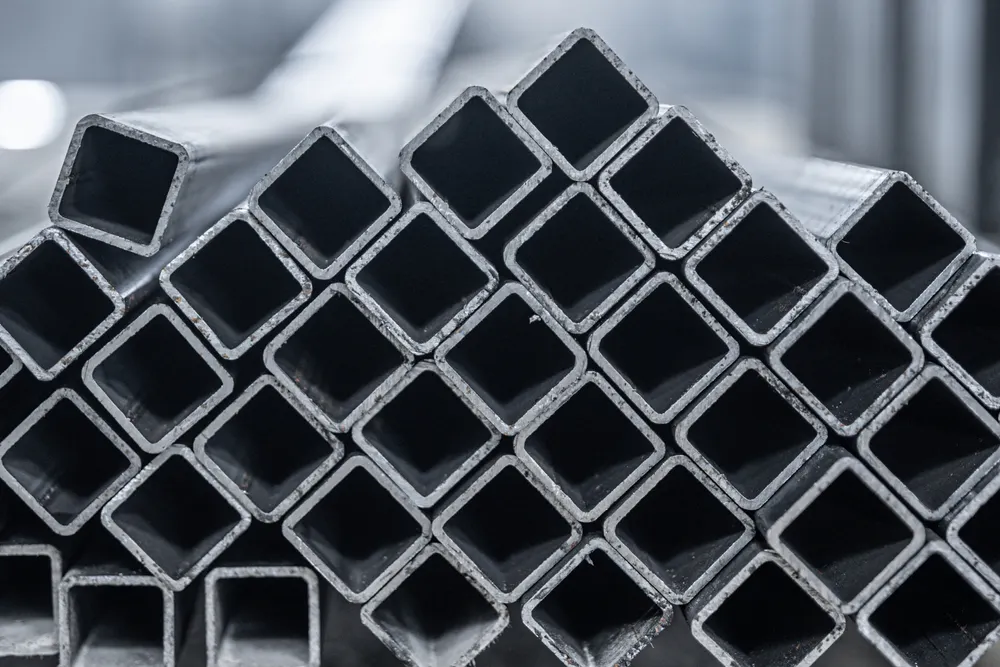
A36 carbon steel is a widely utilized structural metal known for its excellent balance of strength, weldability, and affordability. A36 carbon steel alloy provides reliable performance in construction and industrial fabrication due to its standardized mechanical properties. Low carbon content ensures the material stays easy to form and join through standard techniques. Structural engineers favor metal for beams, plates, and bars in diverse infrastructure projects. The predictable yield strength serves as a baseline for calculating safety margins in heavy engineering. Subsequent sections detail the yield strength values, chemical composition, machinability, and standard thicknesses. Comparisons with other grades and melting point data offer a complete overview of the material.
What is A36 Carbon Steel?
A36 carbon steel is a standardized structural alloy known for its durability, versatility, and excellent weldability. The ASTM International organization governs the specifications for the metal to ensure consistency across different manufacturing batches. Engineers utilize the material for a wide variety of applications, including bridges, buildings, and general machinery frames. High reliability makes the alloy a preferred choice for load-bearing components in large-scale infrastructure. The material provides a cost-effective solution for structural projects requiring high tensile performance without the expense of specialized alloys. Low carbon levels facilitate easy fabrication and thermal cutting processes in workshops. Structural integrity remains a core feature of the metal under varying environmental conditions. A36 typically has a rough, mill-scale surface (hot-rolled); surface preparation is often required before painting or coating. Global supply chains maintain high availability of the alloy in various shapes like angles, channels, and sheets. Choosing the material ensures compliance with rigorous building codes and safety regulations.
How is A36 Steel Defined in ASTM Standards?
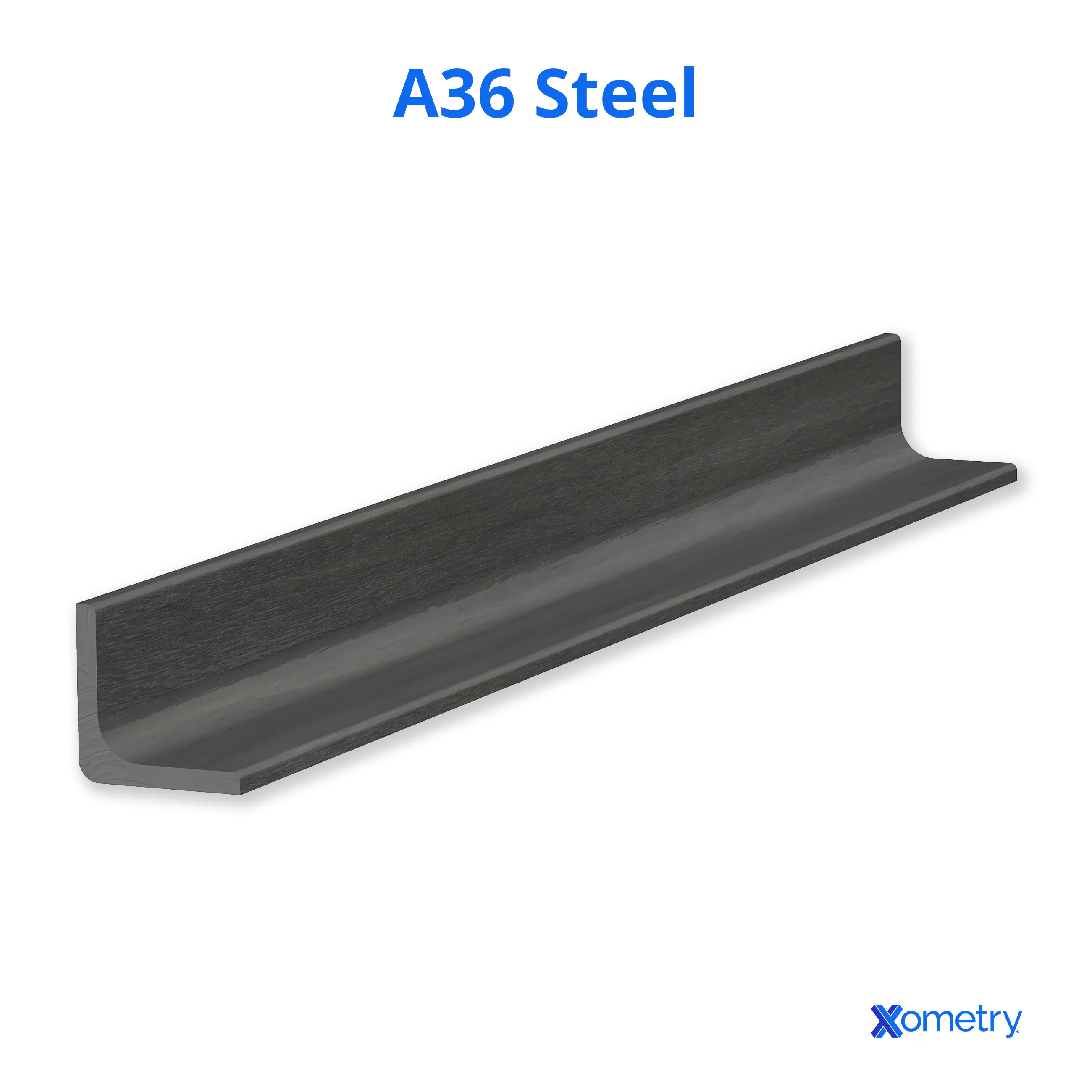
ASTM A36 steel is defined by the ASTM A36 standard as a carbon structural steel covering shapes, plates, and bars of structural quality. The standard establishes the allowable ranges or maximum limits for certain elements like carbon, manganese, phosphorus, and sulfur. Mechanical requirements such as minimum yield point and tensile range are strictly mandated by the specification. Quality control labs perform standardized tests to verify that every production run meets the criteria. Adherence to the standard allows engineers to specify the material with confidence in its physical performance. The documentation provides a framework for material traceability from the mill to the final installation. Standardized requirements ensure that different suppliers provide compatible materials for a single project. Compliance with the ASTM Standard guarantees the safety, and longevity depends on design, fabrication, and service conditions. of engineered structures.
Is A36 Classified as a Low Carbon Steel?
Yes, A36 is classified as a low carbon steel because its carbon content remains below 0.29 percent by weight. The classification highlights the material's superior ductility and ease of welding compared to high-carbon variants. Low carbon levels prevent the formation of brittle structures during rapid cooling after thermal processes. Fabricators prefer the alloy for general construction because it bends without fracturing easily. The material belongs to the mild steel category, which serves as the backbone of industrial manufacturing. Reliability in joining processes makes the metal ideal for complex welded assemblies. Engineering designs utilize the balanced properties of the alloy for a wide range of structural tasks. Ductility ensures the material absorbs energy during impact without sudden failure. Industry experts recognize the metal as a primary Carbon Steel grade for structural fabrication.
What Are the Properties of A36 Steel?
The properties of A36 Steel are listed below.
- High Weldability: The low carbon content facilitates joining through arc welding, MIG, and TIG processes without preheating. Joints maintain high strength and integrity throughout the lifespan of the structure.
- Excellent Ductility: Molecular structures allow for significant deformation before the material reaches its breaking point. The property makes the metal ideal for components requiring bending or cold forming.
- Good Machinability: Standard cutting tools process the alloy efficiently with minimal wear and tear on the machinery. Smooth surface finishes are achievable with conventional milling and drilling parameters.
- Corrosion Susceptibility: Bare surfaces react with moisture and oxygen to form rust in outdoor environments. Protective measures like galvanizing or painting are necessary to preserve the material over time.
Which Mechanical Properties are Most Important for A36 Steel?
Mechanical properties that are most important for A36 Steel are listed below.
- Yield Strength: Engineers prioritize the minimum value of 36,000 PSI to determine the load limit of structural members. The property defines the transition from elastic to plastic deformation in the metal.
- Tensile Strength: The range between 58,000 and 80,000 PSI indicates the maximum stress the material survives before fracturing. Designers use the data to establish safety factors for critical infrastructure.
- Modulus of Elasticity: The value of approximately 29,000,000 PSI represents the stiffness of the material under axial load. It helps in calculating the deflection and vibration characteristics of beams and supports.
- Elongation: A minimum percentage of 20 to 23 percent over a specific gauge length measures the ductility of the alloy. High elongation ensures the steel provides a warning through deformation before a total failure occurs.
Does A36 Steel Have a Predictable Yield Strength?
Yes, A36 steel has a predictable yield strength because the ASTM A36 standard mandates a minimum value for all compliant materials. Quality assurance tests at the mill verify that every batch meets the 36,000 PSI threshold. Predictability allows structural engineers to perform precise calculations for load distribution in buildings. Consistent performance reduces the risk of structural failure due to material variability. Standardized values simplify the design process for architects and fabricators globally. The metallurgical consistency is ensured by compliance with ASTM mechanical property requirements for mechanical stress. Safety regulations rely on the predictability to maintain the integrity of public infrastructure. Reliability in mechanical performance makes the alloy a trusted choice for critical support systems.
What is the Yield Strength of A36 Steel?
A36 steel yield strength is the specified minimum stress level of 36,000 pounds per square inch at which the material begins to deform permanently. The value represents the transition from elastic behavior to plastic flow within the atomic structure. Engineers use the metric as the primary design limit for structural beams and support columns. Megapascal equivalents for the yield point sit at approximately 250 MPa for standard plates and shapes. Exceeding the stress level causes irreversible changes in the geometry of the component. The consistency of yield strength is ensured by ASTM mechanical property requirements, not strict chemical control. Structural safety depends on maintaining applied loads well below the threshold. Testing protocols require pulling samples until they reach the point to confirm material quality. Every certified batch/lot testing of the metal carries a guarantee of the minimum Yield Strength value.
How Does A36 Steel Fy Compare to Its Ultimate Strength?
A36 Steel Fy compares to its ultimate strength in terms of tensile strength and yield strength. The yield strength (Fy) of A36 steel is lower than its ultimate tensile strength to provide a wide safety margin. Yielding occurs at 36,000 PSI, while the maximum tensile stress ranges from 58,000 to 80,000 PSI before total fracture. The gap allows the material to undergo plastic deformation, which warns of impending structural failure. Energy absorption during the phase prevents sudden and catastrophic collapses in engineering applications. The ultimate strength represents the absolute peak of the stress-strain curve for the metal. Designers ensure that operational loads stay below the yield point to maintain the elastic shape of the structure. The ratio between yield and ultimate strength indicates ductility/reserve strength, while toughness is more directly related to energy absorption (e.g., impact tests). Utilizing the difference ensures that structural systems remain resilient under extreme or unexpected loading conditions.
Is the Yield Strength of A36 Steel Typically 36,000 PSI?
Yes, the yield strength of A36 steel is typically 36,000 PSI as mandated by the ASTM A36 standard for structural quality carbon steel. Manufacturers must ensure that every plate and bar meets or exceeds the specific stress threshold. The value remains the global benchmark for designing light to medium structural systems. Consistency in the yield point facilitates the use of standard engineering formulas across different regions. Structural engineers rely on the 36,000 PSI figure for calculating the capacity of floor joists and roof trusses. Minor variations above the minimum are common, but the standard provides the absolute lower limit. Reliability in the value minimizes the need for over-engineering and excessive material use. Compliance with the standard ensures that the metal provides the necessary support for safe habitation and industrial use.
What is the Ultimate Tensile Strength of A36 Steel?
The ultimate tensile strength of A36 steel falls between 58,000 and 80,000 pounds per square inch, depending on the thickness and shape. The range represents the maximum amount of pulling stress the alloy survives before it begins to neck and break. Standard testing procedures measure the force required to pull a specimen to the point of failure. The value is higher than the yield strength to allow for a large plastic deformation region. Engineering documents utilize the ultimate strength to determine the absolute failure point of a structural member. The variability within the range allows for slight differences in the manufacturing process and cooling rates. High tensile values ensure that the steel stays intact even under severe overload conditions. The structural design includes a safety factor that accounts for the ultimate limits of the material.
How is the Ultimate Strength Used in Structural Design?
Ultimate strength is used in structural design to establish safety factors and determine the maximum load capacity before catastrophic failure. Engineers typically compare working stress to allowable stress based on yield strength (or use limit state design) to ensure a wide margin of safety. The property is critical for analyzing the behavior of structures during extreme events like earthquakes or collisions. Calculations involving ultimate strength help prevent the total collapse of a building if the yield point is exceeded. The value serves as the upper limit for the material's performance in tension-based applications. Standard codes require that certain connections and joints be designed based on the ultimate capacity of the steel. Ultimate strength contributes to capacity design, but toughness and ductility are determined by material behavior and specific tests, not ultimate strength alone. The safety of human life depends on the accurate application of the material limits in architectural plans.
Can A36 Steel Withstand the Specified Tensile Load Without Breaking?
Yes, A36 steel can withstand loads within the specified tensile range of 58,000 to 80,000 PSI without immediate fracture. The material undergoes significant stretching and elongation before the actual separation occurs. Structural designs typically keep the actual load far below the yield point of 36,000 PSI to maintain safety. Maintaining stress levels within the elastic region prevents permanent damage to the structural components. High reliability in the tensile performance ensures that the steel supports the intended weight and pressure. Testing certifications confirm that each batch survives the minimum required forces in the laboratory. Proper material selection based on the limits guarantees the stability of the final assembly.
What is the Chemical Composition of A36 Steel?
The chemical composition of A36 steel primarily consists of iron with a controlled amount of carbon and other alloying elements. Carbon content remains restricted to a maximum of 0.25 to 0.29 percent to preserve the material's weldability. Manganese is added in amounts up to 1.20 percent to improve the strength and hardness of the alloy. Small quantities of phosphorus and sulfur are limited to prevent brittleness and cracking during the cooling process. Silicon content varies to act as a deoxidizer during the initial smelting of the liquid metal. ASTM A36 specifies limits or ranges for certain elements but does not tightly control exact composition; it primarily ensures minimum mechanical properties. The precise balance of elements determines the grain structure and the resulting physical durability. Quality control analysts use spectroscopy to verify the chemical makeup of production heat. The purity of the base iron ensures the consistency of the final structural product.
Which Elements are Present in ASTM A36 Steel?
The elements present in ASTM A36 steel are listed below.
- Iron (Fe): The element serves as the base metal and constitutes the majority of the material's mass and volume. It provides the ferromagnetic properties and the foundation for the crystalline structure.
- Carbon (C): Small amounts are added to increase the hardness and tensile strength of the iron without sacrificing too much ductility. Carbon levels are strictly capped to ensure the metal remains easy to weld.
- Manganese (Mn): The additive improves the hardenability of the steel and helps to neutralize the harmful effects of sulfur impurities. It improves the Manganese (Mn) content to reach the required structural strength and hardenability.
- Phosphorus (P): Concentrations remain low to avoid reducing the toughness and impact resistance of the final alloy. Excessive amounts would lead to embrittlement during cold weather conditions.
- Sulfur (S): Limits are placed on the element to prevent "hot shortness" or cracking during the hot rolling and welding processes. Maintaining low sulfur levels ensures the structural integrity of the metal.
- Silicon (Si): The element acts as a killing agent to remove oxygen from the molten steel before casting into billets or slabs. It contributes to the overall cleanliness and uniformity of the finished steel product.
Does Carbon Content Affect A36 Steel’s Mechanical Properties?
Yes, carbon content affects the mechanical properties of A36 steel by determining the balance between strength and ductility. Higher carbon levels increase the hardness and yield point but make the material more brittle and difficult to weld. A36 maintains a low carbon range to ensure the steel stays flexible enough for structural bending. Low carbon contributes to good ductility and toughness, but fatigue resistance depends on multiple factors such as microstructure, surface condition, and loading andd not carbon content alone. Fabricators rely on the low carbon content to achieve high-quality welded joints without the need for complex heat treatments. Toughness varies with temperature and processing; A36 can lose toughness at low temperatures. Engineering standards specify the carbon limits to guarantee a predictable response to environmental stresses. Balanced chemistry ensures that the alloy serves as a reliable structural component for decades.
How Does A36 Steel Compare to Other Steel Grades?
A36 steel compares to other steel grades by offering a versatile and economical alternative for general structural applications. It provides higher weldability than medium-carbon steels like 1045 but possesses lower yield strength than high-strength low-alloy (HSLA) grades like A572. The material is more ductile and easier to form than the air-hardening tool steels used in specialized manufacturing. Comparisons highlight the alloy's superior ease of use in common fabrication tasks like drilling and thermal cutting. Cost-effectiveness remains a primary advantage over stainless steel grades when corrosion resistance is not the main requirement. A36 provides standardized, certified properties, making it more reliable than unspecified or non-standard steel. It serves as a middle ground between low-strength iron and high-performance specialty metals. Understanding the differences in yield and tensile values helps engineers select the most appropriate Steel Grades for specific design loads.
What Are the Differences Between A36 and 1018 Steel?
The differences between A36 and 1018 Steel are listed below.
- Hardness: A36 is hot-rolled and remains softer than the cold-finished 1018 steel used for precision components. 1018 features a higher surface hardness due to the cold-working process during manufacturing.
- Yield Strength: The yield point for A36 is standardized at 36,000 PSI, while 1018 reaches higher values depending on the finishing method. 1018 often provides around 50,000 to 55,000 PSI in its cold-drawn state.
- Surface Finish: Hot-rolled A36 carries a mill scale layer that requires removal for certain painting or coating applications. 1018 provides a smoother and more dimensionally accurate surface straight from the supplier.
- Application: A36 is preferred for large structural members like beams and plates in construction projects. The 1018 Steel is chosen for small machined parts, pins, and shafts requiring precise tolerances and better finishes.
Is A36 Steel Less Hard Than 1018 Steel?
Yes, A36 steel is less hard than 1018 steel because it is primarily produced through the hot-rolling process. The absence of cold-working during the final stages of production keeps the A36 grain structure in a softer state. 1018 steel often undergoes cold-drawing, which increases the internal hardness through strain hardening. The lower hardness of A36 makes it easier to cut and shape for large-scale structural work. A36 generally has slightly lower hardness, but machinability differences are modest; surface finish differences are more influenced by processing (hot-rolled scale vs cold-finished surface) than hardness alone. Hardness values for A36 sit around 119 to 159 on the Brinell scale. Consistency in the softness allows for easier bending of thick plates in heavy fabrication. Professional metalworkers select the grade based on the required balance of surface durability and ease of processing.
What is the Melting Point of A36 Steel?
The melting point of A36 steel sits in the range of 1,425 °C to 1,538 °C (2,600 °F to 2,800 °F). The high temperature range is characteristic of low-carbon steels dominated by the properties of elemental iron. The precise melting point varies slightly depending on the exact concentration of manganese and other alloying elements. Melting point is relevant for casting and smelting; welding involves localized melting and does not require reaching the bulk melting temperature. The material maintains its structural integrity at standard operating temperatures well below the range. Excessive heat during manufacturing must be carefully managed to prevent the degradation of the grain structure. Specialized furnaces reach high temperatures to transition the metal into a liquid state for recycling or initial production. Understanding the thermal limits helps engineers design systems that withstand significant heat exposure.
A36 carbon steel is a baseline structural material defined by consistency, code compliance, and predictable mechanical behavior rather than peak performance. Its 36 ksi minimum yield strength provides a reliable design basis, enabling confident sizing of members and application of safety factors. The low-carbon composition ensures high weldability and ductility, supporting efficient fabrication and toughness under load. The gap between yield (36 ksi) and ultimate tensile strength (58–80 ksi) creates a meaningful plastic region, allowing controlled deformation and warning prior to failure which is critical in structural design. While it lacks the strength of higher-grade alloys, its uniformity, availability, and ease of processing make it fundamental for beams, plates, and general load-bearing applications. In practice, A36 serves as the reference material for structural steel, emphasizing reliability, manufacturability, and cost efficiency.
How Does Temperature Affect A36 Steel in Manufacturing?
Temperature affects the strength and formability of A36 steel during the various stages of the manufacturing process. Heating the metal to a red-hot state allows for easier shaping and rolling into diverse structural profiles. Controlled cooling after hot-working determines the final grain size and the resulting mechanical properties of the steel. High temperatures during welding require precise management to avoid warping or creating heat-affected zones with lower strength. Extreme cold causes the material to become more brittle and susceptible to impact failure in certain climates. Thermal expansion must be calculated for structural components exposed to fluctuating environmental temperatures. Thermal cutting can create hardened edges (heat-affected zones); proper heat control minimizes but does not completely prevent this effect. Every manufacturing step utilizes temperature control to ensure the alloy remains within its specified performance limits.
Does A36 Steel Melt Around 1,425–1,538 °C?
Yes, A36 steel melts within the range of approximately 1,425–1,538 °C because it consists primarily of iron. The temperature threshold ensures the material stays solid and reliable in most industrial and structural environments. Professional welders utilize high-heat sources to reach the levels for fusing components together. The high melting point reflects the strong atomic bonds characteristic of structural carbon steels. Environmental temperatures in standard buildings never reach levels that would threaten the integrity of the metal. Manufacturers use the liquid phase to pour the alloy into continuous casting machines for billet production. Consistency in the melting range allows for predictable behavior during high-temperature fabrication. Reliability under heat makes the material suitable for various heavy engineering tasks.
What Are the Uses of A36 Steel?
The uses of A36 Steel are listed below.
- Structural Framing: The metal provides the essential support for skyscrapers, warehouses, and residential buildings through beams and columns. A36 offers adequate strength and cost-effectiveness, but does not have a high strength-to-weight ratio compared to modern HSLA steels.
- Bridge Construction: Large plates and girders support the weight of vehicles and withstand the stresses of environmental vibration. Reliable yield performance ensures the long-term safety of transportation infrastructure.
- Machinery Components: Industrial equipment frames and base plates utilize the material for their durability and ease of fabrication. Manufacturers prefer the alloy for parts requiring significant welding and assembly.
- Tank and Vessel Fabrication: Low-pressure storage tanks for water and oil are often constructed from A36 plates due to their weldability. The material provides a cost-effective solution for large-scale liquid containment systems.
Uses for Structural Applications
A36 steel is the material for structural applications because it offers a high yield point of 36,000 PSI at a very low cost. Builders utilize the alloy for I-beams, H-beams, and wide-flange beams to support floor and roof loads in commercial structures. The material's ductility allows it to absorb energy during seismic events, which improves the earthquake resistance of the building. Standardized shapes simplify the design process for engineers and allow for rapid assembly on the construction site. Compatibility with standard welding techniques ensures that connections remain strong and reliable. The metal's versatility makes it suitable for everything from simple brackets to massive structural girders. High availability ensures that projects stay on schedule with a consistent supply of material. A36 is widely used, but many projects prioritize other structural grades (e.g., A992, A572) depending on design requirements.
Uses for Manufacturing of Machinery and Equipment
A36 steel is commonly used for machinery frames, but stiffness is determined primarily by geometry and modulus of elasticity, which is similar across steels. Manufacturers use the alloy for base plates, mounting brackets, and structural supports in industrial assembly lines. The ease of machining allows for the creation of holes and slots for mounting hardware with standard tools. High weldability facilitates the rapid construction of complex machine housings and safety guards. The material's durability ensures that equipment remains operational under the stress of daily industrial use. Dimensional stability depends on design, residual stresses, and loading conditions; grain structure alone does not prevent warping. Cost-effectiveness allows for the production of large-scale industrial components within budget. Reliability in mechanical performance makes the alloy a staple in the heavy equipment manufacturing sector.
Uses for Shipbuilding and Transportation
A36 steel is best for shipbuilding and transportation because it balances structural strength with the flexibility required to withstand dynamic wave loads. Marine engineers specify the alloy for hull plates, bulkheads, and deck structures in various types of vessels. The material's weldability ensures that large ship sections are joined securely in a shipyard environment. Resilience against fatigue makes the steel ideal for the chassis of heavy trucks and railway cars. Resistance to impact ensures that transportation infrastructure remains safe during operational stresses. Proper protective coatings prevent the saltwater corrosion of the metal in marine environments. High performance in large-scale fabrication makes the material essential for the global logistics industry.
Uses for Construction of Pipes and Tanks
A36 steel is the best choice for the construction of low-pressure pipes and storage tanks due to its excellent weldability and affordability. The material's ductility allows the pipes to be bent and formed into diverse configurations for industrial piping systems. Reliability in the welded seams ensures that the tanks remain leak-proof over decades of service. Standardized thicknesses allow for precise calculations of pressure ratings for storage containers. The alloy's strength provides the necessary support for the weight of stored liquids in massive silos. Ease of fabrication allows for the addition of nozzles, manways, and support legs to the tank body. High availability makes it the most economical option for bulk liquid storage projects.
Uses for Miscellaneous Fabrication
A36 steel is the most common choice for miscellaneous fabrication because it adapts easily to the unique requirements of custom metalwork. Shop owners use the alloy for staircases, handrails, and architectural accents in modern and traditional designs. The material responds well to various finishing processes like powder coating, painting, and cold galvanizing. High workability allows for the cutting and bending of intricate shapes using standard shop equipment. Welders find the metal forgiving and easy to join in various positions for custom assemblies. The alloy provides a durable solution for outdoor gates, fences, and decorative structures. Cost-effectiveness encourages the use of the metal for creative and functional DIY projects. Reliability in a wide range of tasks makes the alloy a favorite among professional fabricators.
How is A36 Steel Machined Using CNC Services?
A36 steel is machined using CNC services to create precise components through automated milling, drilling, and turning operations. The material's moderate hardness allows high-speed steel or carbide tools to remove metal efficiently without excessive heat buildup. Computer-controlled equipment follows digital blueprints to achieve tolerances within several thousandths of an inch. Standard cutting fluids are applied to the workpiece to improve the surface finish and extend tool life. Fabricators utilize the alloy for complex parts like brackets and spacers that require repetitive accuracy. Reliability in the machining response ensures that large production runs stay consistent in quality. Professional shops utilize high-performance CNC Services to transform raw steel plates into finished industrial hardware.
How Do Machinability Properties Affect CNC Operations?
Machinability properties affect CNC operations by determining the optimal cutting speeds, feed rates, and tool selection for a specific job. A36 steel possesses a machinability rating of approximately 72 percent compared to the baseline of 1212 carbon steel. The moderate rating ensures that the material is easy to cut but requires attention to prevent the formation of built-up edges on the tool. Controlled speeds help reduce heat and tool wear, but A36 does not significantly work-harden; surface hardening is not a primary concern. Proper chip management is essential for maintaining the accuracy of the automated path. Machinability influences the final surface roughness and the need for secondary polishing stages. Knowledge of the properties allows programmers to optimize the cycle time for maximum efficiency. High-quality finishes are achieved by balancing the mechanical resistance of the steel with the power of the CNC machine.
Is A36 Steel Easily Machined Using Standard CNC Equipment?
Yes, A36 steel is easily machined using standard CNC equipment because it lacks the extreme hardness found in specialized alloy or tool steels. Standard carbide inserts and high-speed steel drills process the material without requiring extreme power or specialized cooling systems. Tool wear and surface finish can vary because A36 has a relatively broad composition range and variable microstructure. Automated programs run reliably with conventional settings for feed and speed. Proper clamping of the material ensures that the cutting forces do not cause vibration or displacement of the part. Reliability in the machining process makes the alloy a popular choice for prototyping and short-run production. Professional machinists find the material to be a straightforward option for a wide variety of industrial tasks.
What Are the Standard Thicknesses Available for A36 Steel Sheets?
The standard thicknesses available for A36 Steel sheets are listed below.
- 16 Gauge: The thin sheet provides approximately 0.0598 inches of thickness for lightweight enclosures and decorative panels. It offers high flexibility for bending and forming in precision fabrication.
- 10 Gauge: Measuring roughly 0.1345 inches, the thickness is used for heavy-duty brackets and structural reinforcements. It provides a robust balance of weight and strength for mechanical assemblies.
- 1/4 Inch: The standard plate size measures 0.250 inches and serves as a primary material for structural gussets and base plates. It is a staple in the heavy construction and machinery industries.
- 1/2 Inch: Thick plates of 0.500 inches are utilized for high-load structural members and heavy equipment components. The plates provide the necessary durability for extreme industrial environments.
How Do Standard Sheet Gauges Apply to A36 Steel Plates?
Standard sheet gauges apply to A36 steel plates as a numerical system where higher numbers indicate thinner materials. The standardized measurement helps fabricators and engineers communicate precise thickness requirements across different suppliers. Gauge systems for carbon steel are distinct from those used for non-ferrous metals like aluminum or copper. A 12-gauge A36 sheet always measures approximately 0.1046 inches thick, for example. Utilizing the standards simplifies the ordering process and ensures compatibility in assembly designs. Sheet gauges are typically used for materials thinner than 3/16 of an inch, after which fractional measurements are used. Understanding the relationship between gauge and decimal inches is critical for accurate structural calculations. Reliability in the standardized sizes allows for the mass production of compatible industrial components.
Are A36 Steel Sheets Available in Common Standard Gauges?
Yes, A36 steel sheets are available in common standard gauges ranging from 7 gauge down to the thinnest 22 gauge options. Metal service centers stock the standardized thicknesses to meet the immediate needs of the fabrication industry. Availability in standard sizes reduces the need for custom milling and lowers the overall cost for the customer. Standardized gauges facilitate the use of automated cutting equipment like laser and plasma tables. Fabricators rely on the consistent dimensions for designing enclosures, panels, and structural supports. The prevalence of the gauges ensures that repair parts are sourced quickly from local suppliers. Professional shops maintain a wide inventory of the common sizes for diverse manufacturing tasks.
What Are the Advantages of using A36 Steel?
The advantages of using A36 Steel are listed below.
- Cost-Effectiveness: The simple chemical composition and high production volume make it one of the most affordable structural steels available. Projects stay within budget by utilizing widely produced and accessible alloy.
- High Versatility: The material performs well in a diverse range of applications from skyscraper frames to residential handrails. Its balanced properties allow it to serve in structural and miscellaneous roles.
- Ease of Fabrication: Low carbon levels ensure the metal is easy to weld, cut, drill, and machine using standard workshop equipment. The advantage reduces the labor time and complexity required to build complex assemblies.
- Global Availability: Almost every major steel mill produces A36, ensuring that the material is easily sourced in any geographic location. Consistent supply chains prevent project delays and ensure material compatibility.
How Xometry Can Help
We hope you enjoyed learning about A36 carbon steel and that we answered all your queries. To learn more about it, contact one of our reps. We also offer many related manufacturing services, and it’s easy to get a free and instant quote—simply upload your designs to the Xometry Instant Quoting Engine®.
Disclaimer
The content appearing on this webpage is for informational purposes only. Xometry makes no representation or warranty of any kind, be it expressed or implied, as to the accuracy, completeness, or validity of the information. Any performance parameters, geometric tolerances, specific design features, quality and types of materials, or processes should not be inferred to represent what will be delivered by third-party suppliers or manufacturers through Xometry’s network. Buyers seeking quotes for parts are responsible for defining the specific requirements for those parts. Please refer to our terms and conditions for more information.