Hastelloy®: Composition and Properties


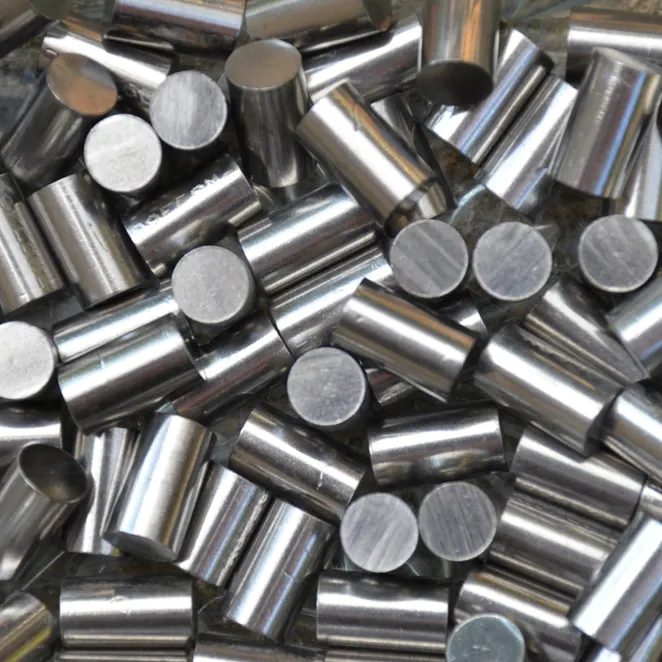
Hastelloy is a trademarked name identifying a group of corrosion-resistant nickel alloys. The material consists of nickel, molybdenum, and chromium to provide durability in aggressive environments. Engineers specify the alloy for high-pressure, high-heat applications where standard metals fail. The metal's chemical composition creates a stable structure under thermal stress. Hastelloy C provides protection against oxidizing agents plus acids found in industrial labs. Hastelloy X functions effectively in aerospace engines due to its high oxidation resistance. The alloy family includes over 20 grades tailored to specific chemical exposures. Manufacturing plants rely on the substance to prevent equipment failure from pitting and stress cracking. The material maintains mechanical integrity at temperatures exceeding 540 degrees Celsius. Industrial sectors use the metal in reactors, valves, and heat exchangers. The versatility of the alloy ensures reliability across power generation and pharmaceutical production fields. The substance prevents contamination in drug manufacturing processes. Nickel content reaches over 70 percent in some grades. Molybdenum atoms block the path of corrosive ions. Heavy industries invest in the superalloy to guarantee long-term performance. Price points reflect the rare elements used in the melt. The metal remains a primary choice in subsea hardware.
What is Hastelloy?
Hastelloy is a high-performance nickel-based superalloy designed to handle extreme heat plus corrosive environments. The metal belongs to a category of materials known to maintain structural integrity under severe mechanical stress. Chemical processing plants use the alloy to handle hazardous liquids safely. Aerospace engineers select the material in engine components that experience thermal cycles. Energy industries implement the metal in nuclear reactors and geothermal power systems. The alloy features a high concentration of nickel to ensure stability at elevated temperatures. Molybdenum plus chromium additions provide defense against localized corrosion. Specific grades offer varied resistance levels against sulfur compounds or chloride ions. Professionals value the material for its long service life in saltwater applications. The substance withstands pressure in deep-sea drilling operations. Reliable performance makes the metal a standard choice in critical infrastructure. Industrial sectors use the substance in reactors plus heat exchangers. Maintenance teams prefer the metal due to its resistance to pitting plus cracking. Every component manufactured from the superalloy meets strict safety standards. The material remains stable in temperatures exceeding 1,000 degrees Celsius. Scientists test the metal in acid baths for 500 hours to ensure quality.
Why Is Hastelloy Used in High-Performance Applications?
Hastelloy performs well under high temperature plus corrosive conditions found in industrial sectors. The metal resists oxidation plus stress corrosion cracking during heavy operations. Pitting resistance remains a key feature in parts submerged in acidic baths. Harsh industrial environments require materials failing to degrade when exposed to reactive chemicals. Power plants use the alloy in exhaust systems to prevent premature wear. The material remains tough in cryogenic temperatures plus volcanic heat. Specialized fabrication techniques allow the metal to form complex geometries in turbine parts. High-performance applications demand consistent material properties throughout the lifecycle of the component. The alloy reduces maintenance costs by extending the time between repairs. Engineers trust the metal for safety in high-risk environments. Durability of the metal saves money through 20 years of operation. Atomic structures in the nickel base provide a foundation in strength. Chemical reactors rely on the material to prevent leaks plus explosions. The superalloy handles pressures exceeding 20,000 pounds per square inch. Reliability in extreme settings makes the metal a staple in modern engineering. Heavy equipment operators choose the alloy to avoid unexpected downtime.
How does Hastelloy Metal Differ From Stainless Steel?
Hastelloy iD nickel-based, while stainless steel is iron-based. The alloy offers superior corrosion and heat resistance compared to standard ferrous metals. Stainless steel remains economical in general construction but fails in extreme chemical environments. High nickel content in the superalloy prevents the rapid oxidation seen in iron alloys. Stainless steel contains chromium plus basic rust protection. The superalloy includes molybdenum plus tungsten to combat aggressive pitting. Iron-based metals become brittle at very high temperatures. The nickel-based structure maintains ductility under thermal stress. Heavy industries prefer the superalloy in reactors handling strong acids. Stainless steel works in food processing plus architectural fixtures. The performance gap becomes evident in environments exceeding 540 °C. Nickel alloys survive in boiling sulfuric acid, whereas iron alloys dissolve. Tensile strength in the superalloy remains high at red heat. Stainless steel requires frequent replacement in marine settings. The superalloy provides a permanent solution to saltwater exposure. Manufacturers specify the nickel-based metal to ensure structural safety. Nickel content makes the superalloy $25 per pound compared to $2 per pound in steel.
Is Hastelloy a Nickel Based Superalloy?
Yes. Nickel is the primary element in the chemical makeup of the metal. Alloying elements enhance strength plus corrosion resistance across a range of temperatures. The atomic structure of nickel provides a base that accepts other metals without losing stability. Chromium additions improve the formation of a protective oxide layer. Molybdenum increases the resistance to crevice corrosion in seawater. The metal retains high tensile strength even when heated to a glowing state. Superalloys differ from standard alloys in their ability to function near their melting point. The industry classifies the material as a superalloy due to its complex metallurgical properties. Industrial manufacturers use the metal in parts requiring high reliability. Nickel content ensures the material stays non-magnetic in specific applications. Strength levels stay consistent up to 1,000 °C. The metal lattice resists deformation under constant pressure. Engineers choose the substance to handle the most demanding mechanical tasks. High nickel concentrations define the category of superalloys used in jet engines. Production of the metal requires precise vacuum melting to eliminate impurities.
What is Hastelloy Material Made of?
Hastelloy material consists mainly of nickel plus chromium, molybdenum, and iron additions. The composition varies by grade to meet specific industrial requirements. Trace elements (tungsten, cobalt, and manganese) alter the physical behavior of the metal. Nickel provides the foundational matrix in the alloy. Chromium forms a barrier against oxidation in high heat settings. Molybdenum strengthens the metal against reducing acids. Iron provides structural balance and affects the weight of the material. Ratios of nickel, chromium, molybdenum, and iron metals create grades like C276 or B3. Durability depends on the precise balance of the alloying agents. Chemical resistance improves when the concentration of molybdenum increases. Manufacturers refine the material in vacuum induction furnaces to ensure purity. The blend of metals allows the substance to survive in chlorine gas. Laboratory tests confirm the presence of 16 percent chromium in many batches. Atomic mixing occurs at temperatures exceeding 1,370 °C. The resulting metal handles the most aggressive industrial acids and chemicals. Every batch of the material receives a certificate of analysis.
How Does the Chemical Structure Affect Hastelloy Performance?
Chemical structure determines the ability of the metal to resist molecular breakdown. Atoms of nickel create a face-centered cubic lattice, remaining stable at extreme temperatures. Chromium atoms migrate to the surface to form a passive film. The film blocks oxygen from reaching the inner layers of the metal. Molybdenum atoms distort the lattice to increase hardness and prevent sliding between grain boundaries. Resistance to acid depends on the electron configuration of the alloying elements. High molybdenum content prevents the formation of pits in chloride environments. The structure resists grain boundary precipitation during welding. Mechanical strength stays high because the atomic bonds do not weaken under heat. Performance in gas turbines relies on the stability of the metallic phases. Lattice structures absorb thermal energy without expanding excessively. Electron sharing between nickel and chromium creates a surface that heals after damage. The internal arrangement reduces the susceptibility to hydrogen embrittlement. The internal arrangement defines the durability of the superalloy. Structural integrity survives years of exposure to boiling acids.
Is Hastelloy Material Designed for Corrosion Resistance?
Yes. The metal is engineered to survive aggressive chemical environments found in processing plants. It performs well in acids (hydrochloric, sulfuric) and high-pressure systems. Surface chemistry allows the material to heal itself if the protective layer is scratched. Engineers specify the alloy in bleaching plants and paper mills. Resistance to stress corrosion cracking makes the metal ideal for use in underground pipelines. The alloy withstands the corrosive effects of sour gas in oil fields. Durability in stagnant water prevents the failure of storage tanks. The material remains unaffected by many organic compounds. High-pressure seals benefit from the stable surface of the metal. Corrosion rates often stay below 0.5 mm/y in severe industrial environments. Molybdenum protects the grain boundaries from chemical attack. The substance survives in environments where oxygen is absent. Reliability in underground pipelines, oil fields, stagnant water, and high-pressure seal settings prevents expensive environmental disasters. The superalloy serves a critical role in hazardous waste disposal. Engineers select the material due to its performance in seawater.
What is Hastelloy Composition?
Hastelloy composition is primarily nickel plus added alloying elements like chromium and iron. Key elements include chromium, molybdenum, and iron to ensure physical integrity. The composition varies by grade to enhance corrosion and heat resistance in specific uses. Nickel serves as the host metal in the entire alloy family. Chromium content ranges from 1 percent to 22 percent depending on the grade. Molybdenum levels stay between 13 and 17 percent. Small amounts of carbon are strictly limited to prevent the formation of brittle phases. Silicon plus manganese improves the castability of the metal. Every batch undergoes testing to verify the percentage of each element. Precision in the mix ensures the metal behaves predictably in the field. The recipe in the alloy defines its classification in international standards. Metallurgy labs measure the content of 12 different elements in the superalloy. High molybdenum percentages and low chromium levels identify the B series of alloys. Chromium concentrations define the oxidation resistance of the C series. The balance of metals ensures the part does not fail in a chemical fire.
Which Elements Are Present in a Typical Hastelloy Composition?
The elements that are present in a typical Hastelloy composition are listed below.
- Nickel: Base element in strength plus stability. It provides the core structure in the alloy. Nickel content reaches 60 percent in some grades.
- Chromium: Improves oxidation resistance. This element creates a thin film on the surface of the metal. Chromium content ranges from 1 percent to 22 percent depending on the grade.
- Molybdenum: Improves corrosion resistance. It protects the material against pitting in acidic environments. High molybdenum percentages and low chromium levels identify the B series of alloys.
- Iron: Adds structural balance. The metal uses iron to adjust density plus cost. Iron content reaching 18 percent is used in specific grades like Hastelloy X to improve fabricability.
Minor elements include tungsten or cobalt, depending on the specific grade requirements. The most critical component is the nickel element.
Does Hastelloy Composition Include Chromium?
Yes, Hastelloy composition includes chromium. Chromium improves resistance to oxidation and corrosion in the metal. It helps form a protective surface layer in harsh environments. The oxide layer acts as a shield against further chemical attack. High chromium grades work best in oxidizing atmospheres. The element prevents the metal from scaling when exposed to open flames. Chemical reactors utilize the chromium content to handle nitric acid. Surface stability depends on a minimum of 12 percent chromium. The alloy remains bright and shiny due to the presence of this element. Chromium atoms combine with oxygen to create a barrier only 3 nanometers thick. This microscopic layer stops the destruction of the underlying nickel structure. Protection remains active even in boiling water. Engineers add the element to increase the hardness of the metal. The material resists scratching better than pure nickel. Chromium prevents the buildup of carbon on the surface of the part. Reliability in high heat stems from this specific element.
What Are the Properties of Hastelloy?
The properties of Hastelloy are listed below.
- Corrosion Resistance: Exceptional resistance to a wide range of chemicals, including hydrochloric acid, sulfuric acid, and chlorine.
- High-Temperature Stability: Maintains strength and stability in extreme temperatures, making it suitable for high-heat environments.
- Strength: High tensile and yield strength, which allows it to withstand mechanical stress and pressure.
- Oxidation Resistance: The ability to resist oxidation even in environments with high temperatures and aggressive chemicals.
- Pitting Resistance: Molybdenum in the alloy enhances its resistance to pitting in chloride-rich environments.
- Fabricability: Be fabricated using specialized industrial methods (welding, brazing, and forming) while maintaining its structural integrity..
- Ductility: Shows good ductility, allowing for flexibility in forming and machining without breaking or cracking.
How Do Mechanical Properties Make Hastelloy Unique?
Mechanical properties make Hastelloy unique by providing exceptional strength and durability in harsh environments. The alloy's high tensile strength allows it to withstand heavy mechanical stress, which is crucial in applications (chemical processing and aerospace) . Its high yield strength ensures that the material maintains its shape under pressure, preventing deformation even in extreme conditions.
The alloy's excellent resistance to fatigue and creep further enhances its mechanical performance. This resistance allows Hastelloy to perform reliably over long periods in high-temperature environments. Its ability to maintain integrity under stress and temperature fluctuations is critical for applications that require long-term durability (heat exchangers, reactors, and turbines).
The alloy's versatility in fabrication adds another layer to its uniqueness. Despite its strength, Hastelloy be welded, forged, and formed into complex shapes without compromising its mechanical properties, making it ideal for custom applications.
How Do Thermal Properties Make Hastelloy Unique?
Hastelloy's thermal properties contribute significantly to its versatility. The alloy excels in high-temperature environments, maintaining strength and stability even at elevated temperatures. Hastelloy's thermal properties make it an ideal material for industries (aerospace, power generation, and chemical processing) where components are exposed to extreme heat. Hastelloy’s ability to resist oxidation and maintain its mechanical properties at high temperatures distinguishes it from ferrous alloys that degrade under similar conditions.
Is Hastelloy Resistant to High Temperature?
Yes, Hastelloy is resistant to high temperature. Hastelloy maintains its strength and oxidation resistance at elevated temperatures, making it a top choice for applications in extreme heat environments. The alloy's ability to resist thermal degradation ensures it performs reliably in conditions where most materials fail.
Hastelloy is designed to withstand high-temperature environments while retaining its mechanical properties. Its resistance to oxidation at elevated temperatures allows it to maintain its integrity, even in applications involving harsh chemicals or thermal cycling. This makes it ideal for industries like aerospace, chemical processing, and power generation, where components are exposed to temperatures exceeding 1000°F (537°C).
Hastelloy is commonly used in critical components (heat exchangers, turbine blades, reactor vessels, and furnace parts). The alloy’s excellent performance in high-temperature settings, combined with its ability to resist corrosion, ensures long-term durability and reliability in demanding applications, reducing the need for frequent replacements and improving operational efficiency.
What Is Hastelloy C?
Hastelloy C is a corrosion-resistant grade of Hastelloy. The metal contains higher chromium plus molybdenum content for better protection. It is designed to provide strong resistance to acids plus aggressive chemicals. Grade C276 is the common version of the metal. The alloy excels in environments containing wet chlorine gas. Engineers use the material in flue gas desulfurization systems. The metal resists the formation of grain boundary precipitates. Chemical tankers carry the alloy in their piping systems to ensure safety. The material remains the gold standard in resisting localized attack. Pitting indices in the metal are among the highest in the industry. Chromium levels reaching 16% facilitate the formation of a passive oxide layer that prevents corrosion. Molybdenum prevents the metal from dissolving in hydrochloric acid. Chromium levels reaching 16% facilitate the formation of a passive oxide layer that prevents corrosion. Manufacturing plants install C276 valves to handle corrosive sludge. The reliability of this grade reduces the risk of leaks in urban areas.
long-term reliability and performance in critical high-temperature applications.
How Does Hastelloy C Composition Improve Corrosion Resistance?
Hastelloy C composition improves corrosion resistance by incorporating 16 percent molybdenum and 16 percent chromium. High molybdenum levels provide resistance in reducing environments, while chromium ensures the metal’s survival in oxidizing media. The addition of tungsten further improves resistance against pitting, a common form of localized corrosion. Low carbon content in the alloy prevents sensitization during welding, maintaining the material’s integrity.
The careful balance of molybdenum, chromium, tungsten, and low carbon content elements makes Hastelloy C highly effective in mixed acid streams, offering protection against crevice corrosion, a primary concern in chemical processing. Chloride ions struggle to penetrate the protective oxide layer, safeguarding the alloy from damage. The alloy remains highly resistant to ferric and cupric chlorides, contributing to chemical stability and improving the safety of industrial operations. Molybdenum atoms play a critical role by blocking the transfer of electrons during corrosion, allowing the passive film to remain intact, even in boiling fluids.
Engineers select this specific alloy blend for its durability and versatility in handling unknown chemical mixtures. Its surface integrity provides an extended service life in waste treatment plants, while the chemistry of Hastelloy C prevents it from becoming brittle in cryogenic temperatures.
Is Hastelloy C Commonly Used in Chemical Processing Equipment?
Yes, Hastelloy c commonly used in chemical processing equipment. The metal is used in reactors, heat exchangers, and piping. Its corrosion resistance suits harsh chemical environments. Factories producing pesticides rely on the alloy in their mixing tanks. The material withstands the corrosive nature of solvents plus reagents. Heat exchangers transfer energy without leaking hazardous fluids. The metal resists erosion from high-speed liquid flows. Pharmaceutical companies use the alloy to maintain product purity. The substance does not contaminate the batches during production. Reliability in factories producing pesticides, pharmaceutical companies, coal plants, and acid plants prevents expensive environmental disasters. Scrubbers in coal plants use the metal to remove sulfur. Valves in acid plants operate for decades without maintenance. The material handles the cleaning chemicals used in food production. Safety protocols mandate the use of this alloy in high-risk areas. Engineers trust the metal to contain the most dangerous substances.
What Is Hastelloy X?
Hastelloy X is a nickel-based alloy designed to provide high-temperature strength. The metal offers excellent oxidation resistance in extended periods. It is common in aerospace plus gas turbine systems. The alloy features a high iron content compared to other Hastelloy grades. Ductility remains high after prolonged exposure to temperatures of 870 degrees Celsius. Combustion liners use the metal to contain hot gases. The material resists carburization and nitriding in industrial furnaces. Aircraft engines depend on the metal in structural components. Fabrication of the alloy is easier than that of other superalloys. The metal is available in sheet, plate, and bar forms for manufacturing. Iron content reaching 18 percent is used in specific grades (Hastelloy X to improve fabricability). Nickel provides the thermal stability needed in flight. The alloy serves in the tailpipes of military jets. Structural parts survive 5,000 hours of continuous heat. Industrial burners utilize the substance to improve fuel efficiency.
Why Is Hastelloy X Suitable for High-Temperature Applications?
Hastelloy X is suitable for high-temperature applications due to its exceptional strength and stability at elevated temperatures. This alloy is composed of a high percentage of nickel (about 47%), along with chromium (22-24%) and molybdenum (8-10%), which contribute to its excellent resistance to oxidation and corrosion. Nickel, chromium, and molybdenum. combined with a carefully balanced composition, allowing Hastelloy X to maintain its mechanical properties even under extreme heat.
Hastelloy X retains its strength at temperatures up to 2,000°F (1,093°C), making it ideal for use in gas turbines, rocket engines, and other high-temperature environments. Its oxidation resistance ensures it endures exposure to combustion gases without degrading, while the molybdenum and chromium content provide further protection against oxidation and pitting.
The alloy's excellent resistance to thermal-fatigue cracking, combined with its ability to withstand thermal cycling, makes it particularly effective in applications where temperature fluctuations are common. Hastelloy X’s ability to maintain structural integrity under such conditions ensure
Is Hastelloy X Used in Gas Turbine Components?
Yes, Hastelloy x is used in gas turbine components. The metal is used in combustion liners, transition ducts, and exhaust systems. It performs reliably under heat plus stress. Transition zones in the engine require the durability of the alloy. The metal resists the sulfur compounds found in jet fuel. Static components surrounding the turbine must not deform under high thermal loads. Thermal fatigue resistance prevents cracks from forming in the metal. Engineers choose the alloy due to its proven track record in flight. The material contributes to the efficiency of modern power generation. Exhaust nozzles stay intact despite the constant blast of hot air. The superalloy handles the pressure of compressed gases. Ignition systems depend on the metal to survive sparks plus heat. Aircraft builders order 1,000 kilograms of the alloy for a single engine. The material maintains its high strength-to-weight ratio at elevated temperatures. Reliability in the air depends on the performance of this specific metal.
What is the Density of Hastelloy?
Typical density is 8.2 to 9.2 grams per cubic centimeter, depending on the grade. The value is higher than that of many steels. Density varies with alloy composition in the material. Grade C276 has a density of 8.89 grams per cubic centimeter. Grade X weighs 8.22 grams per cubic centimeter. High density reflects the heavy atomic weight of nickel plus molybdenum. Engineers calculate the weight of components to ensure structural support. The mass of the metal affects the fuel efficiency of aircraft. Shipping costs for the material are higher due to its weight. The density contributes to the vibration-dampening properties of the metal. Precise measurements allow for accurate material ordering. A cubic meter of the alloy weighs over 8,000 kilograms. Foundations must support the weight of chemical reactors. The thickness of the plate affects the final mass of the machine. The weight confirms the high concentration of expensive metals in the melt.
How Does Hastelloy Density Compare to Inconel?
Hastelloy density remains similar to Inconel grades. The materials are nickel-based superalloys. Inconel 625 has a density of 8.44 grams per cubic centimeter. Hastelloy C276 is heavier at 8.89 grams per cubic centimeter. The difference in weight comes from the molybdenum content in the superalloy. Molybdenum is heavier than the niobium used in Inconel. Both alloys provide high strength-to-weight ratios at high temperatures. The selection between the two depends on corrosion needs rather than weight. Aerospace designs account in the small variation in mass. The density of both metals exceeds that of standard carbon steel. Heavy metal atoms create a tightly packed structure. The alloys weigh 10 percent more than iron-based metals. Structural calculations use the specific density of each grade. The materials feel identical to the touch. Industrial designers treat the weights as equivalent in most projects.
Is Hastelloy Heavier Than Stainless Steel?
Yes, Hastelloy is heavier than stainless steel. The superalloy has a higher density than most stainless steel grades. Stainless steel 304 has a density of 8.0 grams per cubic centimeter. The nickel alloy reaches 9.2 grams per cubic centimeter. Nickel and molybdenum atoms are heavier than the iron atoms in steel. Parts made from the superalloy feel significantly substantial. Large tanks require stronger supports to hold the extra weight. Engineers must adjust lift equipment in the heavier material. The weight indicates the presence of dense alloying elements. High density helps the metal resist physical erosion. A 50-kilogram part in steel weighs 58 kilograms in the nickel alloy. Transportation of the metal requires heavy-duty trucks. Structural frames must be 15 percent stronger to hold the load. The substance sinks faster in water than steel does. Gravity exerts a greater pull on the dense nickel structure. The weight difference is a key factor in engineering decisions.
How is Hastelloy Machined in Modern Manufacturing?
Hastelloy is machined in modern manufacturing by using controlled, low-speed cutting techniques in rigid setups. It requires carbide tools and coolant to prevent damage and reduce heat buildup, which causes excessive wear on the cutting tools. The superalloy work hardens quickly during the cutting process, so high-pressure coolant flushes chips away from the cutting zone, keeping the cutting area clean. Rigid machines are employed to prevent vibration, which could shatter the tools. Slow spindle speeds are necessary to manage the friction and prevent overheating, ensuring that the tools maintain their effectiveness.
Feed rates are kept constant to guarantee a smooth surface finish, while operators monitor tool wear every 15 minutes to avoid failure. Sharp cutting edges are essential for successful metal removal, and machining Hastelloy often takes five to ten times longer than machining standard carbon steel due to its toughness and work-hardening properties. Oil-based coolants are used to lubricate the cut, as the metal generates temperatures exceeding 1,500 °F if the tool becomes dull. CNC programs must utilize conservative settings to protect the machine and ensure each cut is deliberate and precise.
What Machining Processes are Used for Hastelloy Components?
The machining processes that are used for Hastelloy components are listed below.
- CNC Milling: Used for complex shapes, allowing high precision in 3D machining of intricate geometries.
- CNC Turning: Ideal for producing cylindrical parts, ensuring smooth finishes and tight tolerances.
- Drilling: Provides precise holes for assembly and functionality in components, with high accuracy in positioning.
- EDM (Electrical Discharge Machining): Suitable for hard or intricate features, when conventional cutting tools are ineffective due to the material's work-hardening rate and toughness.
The choice of machining process for Hastelloy components depends on the geometry of the part and the required tolerance levels. The hardness and specific requirements of the part (surface finish and detail) dictate the most effective technique to achieve desired outcomes.
Is CNC Machining Preferred Over Manual Machining for Hastelloy?
Yes, CNC machining is preferred over manual machining for Hastelloy. CNC provides consistent speed plus precision in the tough metal. It reduces tool damage plus dimensional errors. Manual machines lack the rigidity required in heavy cuts. Automated systems maintain the exact feed rates needed to prevent work hardening. Human error is minimized during long machining cycles. The software tracks the tool path to ensure accuracy. Complex geometries are impossible to create by hand in the material. CNC lathes handle the high torque needed to turn the alloy. Reliable production depends on the repeatability of the computer control. Manual turning results in inconsistent surface finishes. Carbide tools last longer when used in automated centers. The metal requires a constant pressure that only a computer manages. Operators oversee the process from a safe distance. CNC technology allows for 24-hour production of critical parts. Efficiency in the workshop improves when using automated milling.
What CNC Machines Are Used to Cut Hastelloy?
CNC machines that are used to cut Hastelloy are listed below.
- CNC Milling Machines: Used for complex, multi-dimensional cutting, ensuring precision in shaping and finishing.
- CNC Lathes: Ideal for turning cylindrical components, offering smooth finishes and tight tolerances.
- 5-Axis Machining Centers: Allow for advanced cutting techniques on complex geometries, providing high accuracy and flexibility.
Rigid machines are essential for handling the high cutting forces involved in machining Hastelloy. Rigid machines (used in CNC Machining) maintain stability and precision even under the strain of cutting tough materials like Hastelloy.
Which Parts of a CNC Machine Handle Hard Alloys Like Hastelloy?
The parts of a CNC Machine that handle hard alloys like Hastelloy include the cutting tools, spindle, and tool holder. The cutting tools, made from carbide or ceramic materials, are designed to withstand high wear and heat. The spindle and tool holder, engineered from high-strength alloy steels, provide the necessary rigidity and rotational force to maintain precision during the machining of hard alloys.
Cutting tools, spindles, and tool holder components of the CNC Machine are essential for effectively machining materials like Hastelloy, which are difficult to cut due to their hardness. Rigid machine structures and high-quality tooling allow the CNC machines to handle the thermal and mechanical stress involved in the cutting process. The ability to maintain accuracy under such conditions ensures that parts made from Hastelloy achieve the required tolerances and surface finishes for demanding applications.
Does CNC Programming Need Adjustment for Hastelloy?
Yes, CNC programming needs adjustment for Hastelloy. Lower speeds plus optimized feed rates are required in the code. Adjustments reduce heat, improve surface finish, and extend tool life. The programmer must account for the high strength of the material. Step-overs are reduced to prevent tool breakage. Toolpaths avoid sharp corners where heat build up. Dwell times are eliminated to prevent the metal from hardening in place. Modern software simulates the cutting process to identify problems. Operators adjust the code based on real-time feedback from the sensors. Precision instructions are the core of CNC Programming: Definition, Types, and Software Used. CNC programming strategies must maintain a constant chip load through optimized toolpath engagement. Rapid movements are slowed down to prevent machine crashes. The program includes cycles for tool inspection every 10 parts. Coolant commands are active during every second of the cut. Proper sequencing of the operations prevents the part from warping.
Summary
This article presented Hastelloy metals, explained them, and discussed their composition and properties. To learn more about Hastelloy metals, contact a Xometry representative.
Xometry provides a wide range of manufacturing capabilities and other value-added services for all of your prototyping and production needs. Visit our website to learn more or to request a free, no-obligation quote.
Copyright and Trademark Notices
- HASTELLOY® is a registered trademark of Haynes International, Inc.
- Inconel® and Monel® are registered trademarks of Special Metals Corporation.
Disclaimer
The content appearing on this webpage is for informational purposes only. Xometry makes no representation or warranty of any kind, be it expressed or implied, as to the accuracy, completeness, or validity of the information. Any performance parameters, geometric tolerances, specific design features, quality and types of materials, or processes should not be inferred to represent what will be delivered by third-party suppliers or manufacturers through Xometry’s network. Buyers seeking quotes for parts are responsible for defining the specific requirements for those parts. Please refer to our terms and conditions for more information.