O1 Tool Steel (AISI O1): Composition, Properties, Hardness, and Heat Treatment Guide


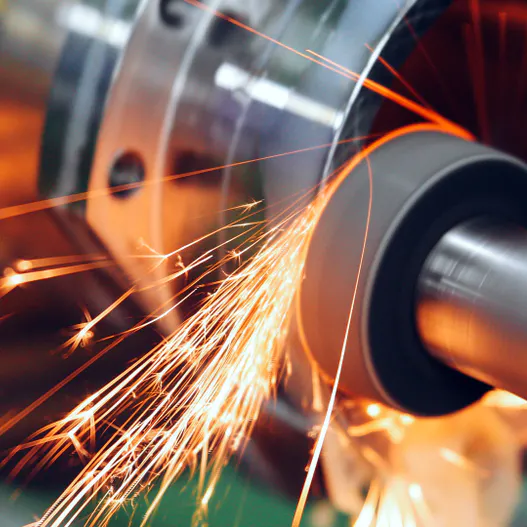
O1 tool steel represents a popular oil hardening cold work tool steel used in general purpose industrial applications. The O1 tool steel has equivalent grades that include 1.2510, 100MnCrW4, and SKS3, depending on the regional standard. Machinability remains a primary advantage of the metal, along with excellent wear resistance and dimensional stability during heat treatment. Manufacturing processes rely on the material for intricate parts that require toughness and a keen cutting edge. O1 Tool Steel is primarily used for making tools that need to withstand high wear and mechanical stress. The hardness of O1 Tool Steel after heat treatment typically ranges from 557 to 62 HRC (Rockwell hardness). O1 Tool Steel undergoes a specific heat treatment process that includes hardening and tempering. O1 Tool Steel does have limitations despite its advantages. It is less prone to distortion during hardening compared to water hardening tool steels, though it requires more careful control than air hardening grades.
What Exactly is O1 Tool Steel?
O1 Tool Steel is a high carbon oil hardening tool steel standardized under the ASTM A681 specification. The alloy belongs to the cold work category because it remains effective at temperatures below 200 degrees Celsius. Chemical composition includes manganese, chromium, and tungsten to enhance the depth of hardness. The alloying elements allow for a safer quench in oil compared to water hardening grades. Classification systems place the material in the O series to designate its oil hardening characteristics. Industry standards recognize the metal for its versatility in creating precision measuring tools and cutting components. Its microstructure provides a balanced combination of toughness and abrasion resistance. Metalworkers choose the material for its predictable response during thermal processing cycles. Precision engineering projects rely on 01 tool steel for components that require a high degree of dimensional accuracy. Reliability of the metal makes it a staple in industrial tool rooms across the globe.
Why is O1 Tool Steel Preferred in Tool Making?
O1 tool steel is preferred in tool making due to its superior machinability, dimensional stability, and uniform hardness after heat treatment. Machinists achieve precise dimensions easily because the metal responds well to standard cutting tools. The oil hardening process minimizes the risk of cracking or warping during the quenching stage. Uniform hardness ensures that the entire tool performs consistently throughout its operational life. Applications include the creation of punches, dies, reamers, and gauges for mechanical assemblies. Precision components benefit from the fine grain structure of the annealed material. High carbon levels provide the necessary edge retention for industrial cutting tasks. Reliability in the workshop makes the alloy a standard choice for custom fabrication projects. Professional toolmakers select the grade for its ability to hold a sharp edge under pressure. Engineering designs frequently incorporate the metal for components that require high abrasion resistance and stability.
Is O1 Tool Steel the Same as Carbon Steel?
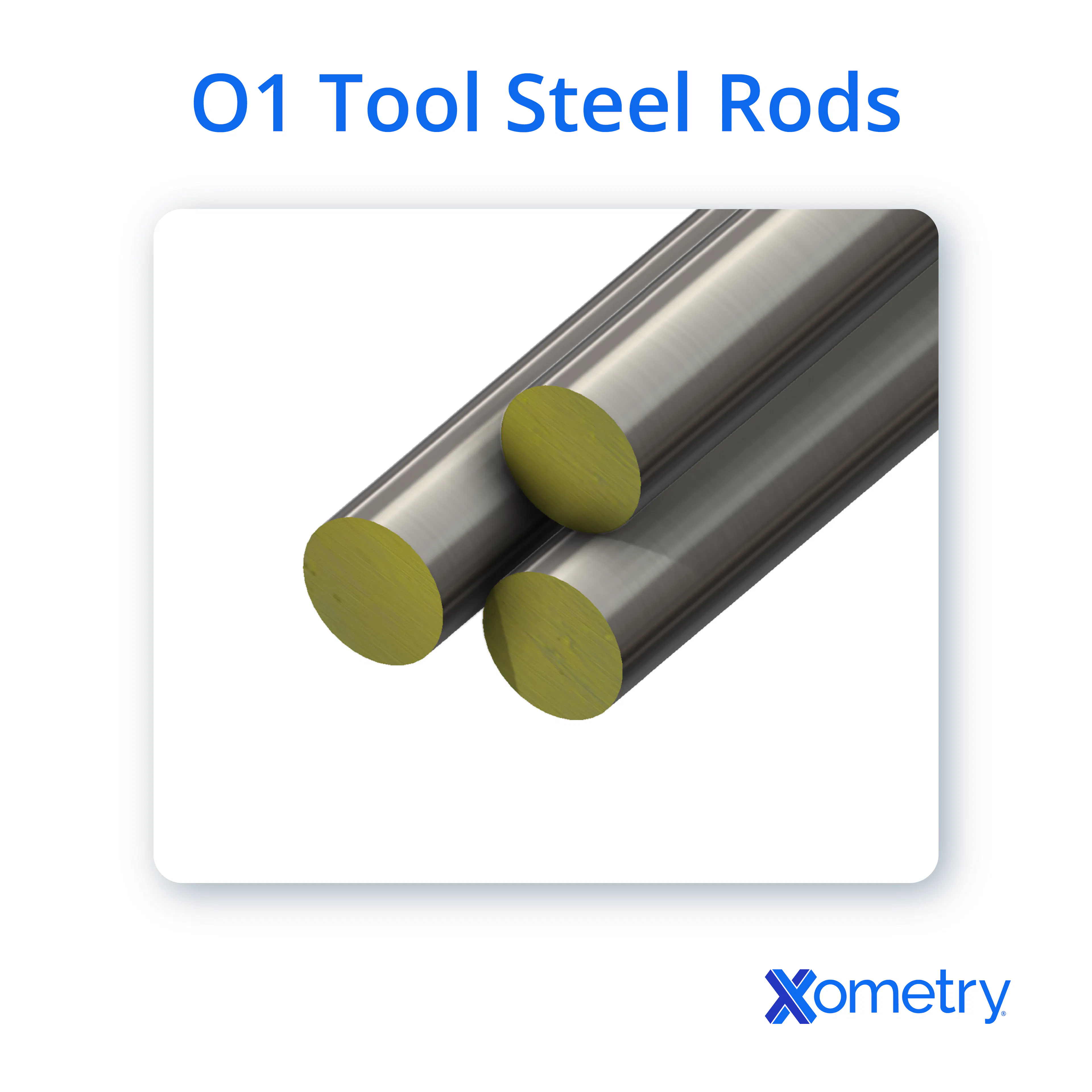
No, O1 tool steel is not the same as plain carbon steel because it contains specific alloying elements like chromium, manganese, and tungsten. Plain carbon steel lacks the additions and relies solely on carbon for its hardness properties. Inclusion of manganese increases the hardenability of the metal during the oil quench process. Tungsten provides additional wear resistance that standard carbon grades fail to achieve. A significant performance gap exists between the two materials regarding their durability and edge retention. Industrial tools made from O1 last longer than those made from unalloyed carbon steel. High carbon alloy steels offer better dimensional stability during thermal treatment compared to simpler iron carbon mixtures. Understanding the O1 Tool Steel vs Carbon Steel distinction is vital for proper material selection in engineering. Manufacturing requirements for precision tools necessitate the use of advanced alloys over basic carbon stock.
How Does O1 Tool Steel Offer Superior Durability Compared to 4140 Pre-Hardened Steel?
O1 tool steel offers superior durability compared to 4140 pre hardened steel because it achieves a much higher peak hardness level. Standard O1 reaches hardness ratings of 57 to 62 HRC, while 4140 remains in the 28 to 32 HRC range. The higher carbon content of the O1 grade provides exceptional wear resistance for abrasive cutting environments. Oil hardening treatments increase the tool life of components subjected to repeated mechanical stress. Cutting tools and dies made from O1 resist deformation better than the softer 4140 alloy. Industrial applications requiring a sharp edge favor the tool steel over the structural alloy. Pre hardened 4140 serves well for shafts and bolts, but fails to match the abrasion resistance of cold work steels. Superior surface hardness permits the tool steel to withstand the rigors of heavy industrial use without losing its shape.
Who Typically Uses O1 Tool Steel?
O1 tool steel is typically used by metalworkers, machinists, and professional toolmakers for high precision projects. Machinists choose the material for precision machining and tooling tasks because of its excellent machinability and predictable behavior. Properties of the alloy meet the strict precision demands of modern machining and manufacturing industries. Machinists value the balance of hardness and workability, which permits the production of intricate dies without distortion. Professional shops rely on the metal to create durable cutting tools that maintain their sharpness. Precision toolmaking requires a material that stays stable during the final heat treatment steps. Specialized equipment manufacturers select the grade for internal components that face constant friction. Professional craftsmen and industrial engineers are the groups that typically use steel for specialized hardware.
Are Knife Makers the Main Users of O1 Tool Steel?
No, knife makers are not the main users of O1 tool steel despite its popularity in the custom cutlery community. Numerous industrial sectors rely on the material for manufacturing molds, cutting dies, and precision measuring instruments. Toolmaking remains the primary driver of global consumption for the O1 grade. Mold makers utilize the metal for components that require high surface finishes and dimensional accuracy. Die cutting operations depend on the alloy for sharp edges that resist dulling during repetitive use. General machining applications frequently specify the material for internal jigs and fixtures. The broader industrial importance of the steel extends far beyond the production of blades. Professional shops in the automotive and aerospace industries utilize the alloy for various assembly tools. Large manufacturing firms consume massive quantities of the metal for mass produced industrial hardware.
"The selection of O1 tool steel is a calculated DFM decision that leverages superior machinability to reduce initial processing overhead: however, engineers must account for quenching depth limitations in cross-sections exceeding two inches to avoid subsurface material fatigue. Successful process optimization relies on matching these oil-hardening characteristics with specific GD&T requirements (particularly when maintaining cutting-edge integrity for short-run production dies)."
When Should O1 Tool Steel Be Chosen Over Other Types?
O1 tool steel should be chosen over other types when a project requires a balance of ease of machining and excellent edge retention. Machinists select the grade for complex shapes that face the risk of cracking in water hardening steels. The alloy provides a more economical solution compared to high alloy air hardening steels like D2 or A2. Small scale shops favor the material because oil quenching is simpler to perform with standard equipment. Precision gauges benefit from the dimensional stability of the oil hardened metal. The choice becomes clear when the application involves cold working temperatures and abrasive wear. Tools requiring a keen, sharp edge for cutting soft metals or wood perform exceptionally well with the grade. Reliability remains a primary factor for engineers selecting the metal for short run production dies. Metalworking projects that demand high precision without the complexity of vacuum furnaces utilize the material effectively.
Where Does O1 Tool Steel Stand in Terms of Global Production?
O1 tool steel stands in terms of global production within the cold work steel category. Manufacturers across Europe, Asia, and North America produce the material to meet constant industrial demand. Standardized specifications like ASTM and DIN ensure consistent quality regardless of the country of origin. The metal remains one of the most widely available tool steels in various shapes like rounds, flats, and drill rods. Global supply chains prioritize the alloy due to its versatility in multiple manufacturing sectors. Massive quantities of the steel are consumed annually for the production of standard shop tools and dies. Distribution networks keep high inventory levels to support the needs of tool and die shops worldwide. Professional foundries maintain strict metallurgical controls to preserve the reputation of the O1 grade. Continuous production ensures that the material remains accessible for both large scale factories and small custom workshops.
Is O1 Tool Steel the Best Choice for High-Precision Tools?
Yes, O1 tool steel is a premier choice for high precision tools that require excellent dimensional stability compared to water hardening steels. The oil quenching method provides a slower cooling rate than water, which reduces internal stresses in the metal. Dimensional stability remains a key characteristic that permits the material to hold its shape after thermal treatment. Precise instruments like micrometers and calipers utilize the grade for their reliability. Machinists achieve exact tolerances because the metal is easy to grind after it reaches full hardness. High carbon content ensures that the precision edges remain sharp over thousands of cycles. Specialized manufacturing tasks depend on the consistent performance of the specific alloy. Reliability makes the metal a top selection for critical industrial components. Professional workshops prioritize the steel for its predictable results and ease of handling.
Is O1 Tool Steel Ductile?
Yes, O1 tool steel is ductile in its annealed state before the final heat treatment occurs. Annealing creates a soft microstructure that permits extensive machining and minor shaping without fracture. Metalworkers perform complex machining operations on the material while it remains in a workable condition. Ductility decreases once the steel undergoes the oil hardening and tempering process. Hardened state prioritizes brittleness and wear resistance over the ability to deform plastically. Proper heat treatment transforms the soft metal into a rigid tool capable of cutting other materials. Balancing the initial ductility with final hardness is the goal of the toolmaker. Industrial processes rely on the transition to create functional hardware from raw stock. Engineers specify the annealed condition for bulk processing before the final hardening stages.
How Is O1 Tool Steel Manufactured and Processed?
O1 is produced via electric arc melting and refined through argon oxygen decarburization (AOD). Producers cast the molten metal into ingots or billets before beginning the hot rolling process. Hot rolling refines the grain structure and achieves the desired final dimensions for industrial use. Annealing follows the rolling stage to soften the steel for easier machining by the end user. Machinists cut, drill, and grind the annealed stock into the final shape of the tool. Precision grinding removes surface decarburization that occurs during the manufacturing steps. Thermal treatment involves heating the part to its austenitizing temperature, followed by an oil quench. Final processing usually includes tempering to achieve the specific hardness required for the application. Precise control of the furnace atmosphere prevents surface defects during the high heat stages. Quality inspections verify the internal integrity of the steel before it reaches the customer.
How to Harden O1 Tool Steel With Oil
First, preheat the tool slowly to approximately 650 degrees Celsius to avoid thermal shock. Second, increase the temperature to the range of 800 to 820 degrees Celsius and soak the part thoroughly. Third, quench the hot steel in warm oil until the temperature drops below 65 degrees Celsius. Fourth, temper the material immediately at 150 to 250 degrees Celsius to achieve the desired toughness. Fifth, check the final results to confirm the expected hardness of 57 to 62 HRC. Precision temperature control remains essential for the safety and integrity of the finished component.
Can O1 Tool Steel Be Recycled or Repurposed?
Yes, O1 tool steel is recycled and repurposed effectively as high quality alloy steel scrap. Recycling centers process the material to recover valuable elements like chromium, tungsten, and manganese. Modern steelmaking furnaces use scrap as a raw material to produce new batches of tool steel. Sustainability benefits include reduced energy consumption and lower demand for virgin iron ore. Repurposing old tools into smaller components allows for the efficient use of the alloy in the workshop. Proper sorting ensures that the high carbon content does not contaminate other steel grades during the melting process. Industrial waste programs prioritize the collection of tool steel remnants for the circular economy. Environmental impact decreases when manufacturers utilize recycled metal for their production lines. Steel mills accept the scrap because the alloying elements remain stable during the reclamation process.
What Are the Limitations of Working With O1 Tool Steel?
The limitations of working with O1 Tool Steel are listed below.
- Corrosion Susceptibility: Surfaces rust easily when exposed to moisture or humid environments due to the lack of high chromium content. Protective oil coatings are necessary to prevent the degradation of the metal over time.
- Brittleness Risks: High hardness levels lead to a lack of impact resistance in tools subjected to heavy shock. Sudden loads cause the material to chip or shatter if the tempering process is inadequate.
- Size Limitations: Sections thicker than two inches fail to harden completely to the center during the oil quench. Large industrial components require air hardening grades for uniform hardness throughout the mass.
- Thermal Sensitivity: Excessive heat during grinding operations softens the hardened surface and ruins the temper. Controlled cooling is required to maintain the integrity of the cutting edge.
Why Does O1 Tool Steel Differ in Corrosion Resistance?
O1 tool steel differs in corrosion resistance because its low chromium content is insufficient to prevent oxidation in the presence of moisture. Chromium content in the alloy offers some protection but remains far below the levels found in stainless steel grades. Heat treatment steps involving oil quenching improve the hardness while leaving the surface more vulnerable to chemical attack. Surface finishes like polishing or specialized coatings strengthen the resistance against environmental factors. Moisture and aggressive chemicals accelerate the formation of rust on the unprotected metal. Air hardening steels like D2 and A2 provide better corrosion protection because they contain more chromium. Plain carbon steels suffer even more than O1 because they lack any protective alloying elements. Metalworkers maintain a thin film of oil on the tools to prevent surface damage. Professional storage solutions include desiccants to lower humidity around the sensitive metal. Resistance to pitting remains low because of the high carbon content found in the alloy structure.
Is O1 Tool Steel Difficult to Maintain?
No, O1 tool steel is not difficult to maintain if basic preventative measures are followed regularly. Users apply a light coating of machine oil to the surface to block moisture and oxygen. Storage in a dry environment prevents the formation of rust and pitting on the precision edges. Regular cleaning after use removes sweat and contaminants that accelerate the corrosion process. Sharpening the tools remains straightforward because the metal responds well to standard honing stones. Maintenance routines take very little time but extend the operational life of the equipment. Industrial shops implement climate control to protect their inventory of tool steel parts. Consistency in care ensures that the high carbon alloy stays functional for decades. Owners of the metal find that a small amount of effort preserves the value of their precision instruments.
How Does O1 Tool Steel Compare with other Tool Steels?
O1 tool steel compares with other tool steels by offering superior machinability at a lower cost than high alloy grades. A2 steel provides better dimensional stability but requires a more complex air hardening process. D2 steel offers much higher wear resistance due to its massive chromium and carbon content, but remains difficult to machine. W1 steel hardens in water and faces a much higher risk of cracking during thermal treatment compared to O1. Toughness of O1 exceeds that of D2 but falls slightly below the levels of A2. Small tool shops prefer the O1 grade for its forgiving nature during the heat treatment cycle. Industrial manufacturers choose the material for short run dies where the expense of D2 is not justified. High carbon levels in the O1 grade ensure a sharp edge that performs well in precision cutting tasks. Machinists appreciate the predictability of the metal when working on intricate designs. Understanding how Tool Steel Compare with other Tool steels helps engineers optimize their production budgets for specialized hardware.
Summary
This article presented O1 tool steel, explained it, and discussed its various uses and limitations. To learn more about O1 tool steel, contact a Xometry representative.
Xometry provides a wide range of manufacturing capabilities and other value-added services for all of your prototyping and production needs. Visit our website to learn more or to request a free, no-obligation quote.
Disclaimer
The content appearing on this webpage is for informational purposes only. Xometry makes no representation or warranty of any kind, be it expressed or implied, as to the accuracy, completeness, or validity of the information. Any performance parameters, geometric tolerances, specific design features, quality and types of materials, or processes should not be inferred to represent what will be delivered by third-party suppliers or manufacturers through Xometry’s network. Buyers seeking quotes for parts are responsible for defining the specific requirements for those parts. Please refer to our terms and conditions for more information.