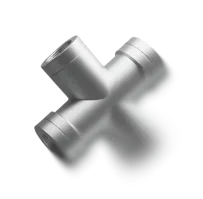
Zinc Metal: Definition, Composition, Types, Properties, and Applications

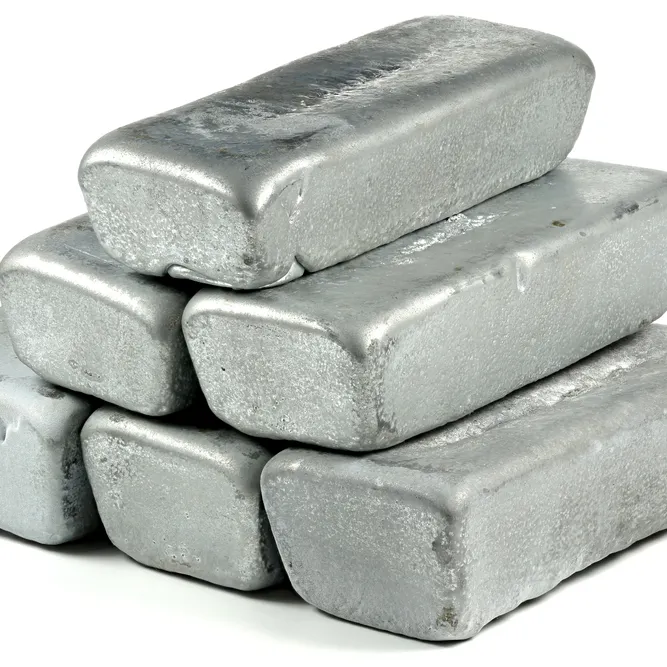
Zinc Metal is a bluish-white metallic element (Zn) used for corrosion protection, alloy formation, and precision casting. Zinc Metal has a density of 7.14 g per cubic centimeter, a melting point of 419.5 degrees Celsius (°C), and an electrical conductivity of zinc at 20°C is approximately 16 to 17 MS/m. Zinc exhibits moderate tensile strength between 90 megapascal (MPa) and 150 megapascal depending on purity and processing condition. Zinc die-casting alloys typically exhibit tensile strengths approximately between 280 MPA and about 35 MPA depending on alloy composition and casting conditions. Zinc forms a thin zinc oxide layer during atmospheric exposure that limits further oxidation and supports sacrificial corrosion protection. Zinc reacts with acids (hydrochloric acid, sulfuric acid) to release hydrogen gas and form soluble salts, and reacts with alkalis to form zincate ions.
Zinc applications include galvanization of structural steel, die casting of hardware under 5 kg mass, automotive corrosion protection, alkaline and zinc air batteries, and zinc oxide production for coatings and industrial chemicals. Controlled reactivity, protective oxidation, and alloy compatibility define the industrial relevance of zinc metal.
What is Zinc Metal?
Zinc metal is a bluish-white metallic element used for corrosion protection and alloying. Zinc has the chemical symbol Zn and functions as a reactive metal that forms stable oxide and carbonate films in air. Zinc is used in galvanization, where zinc coatings protect steel from rust through sacrificial action. Zinc is used in die casting due to its low melting temperature and strong mold-filling behavior. Zinc alloys support hardware, housings, fasteners, and precision components in high-volume manufacturing. Zinc supports batteries and chemical products through zinc compounds used in industrial processing.
How Does Zinc Compare to Copper in Industrial Uses?
Zinc is primarily positioned for corrosion protection compared to copper in industrial uses by functioning as a sacrificial coating metal with a standard electrode potential of −0.76 V versus the standard hydrogen electrode. Zinc protects structural steel through hot dip galvanizing at 445 to 460 °C and electroplating at 1 A/dm² to 5 A/dm², Electroplated zinc coatings range from 5 µm to 150 µm depending on steel composition and governing standards. Zinc die-casting alloys melt and process slightly above the zinc melting point (419.5 °C), with casting temperatures generally around 390 to 430 °C depending on alloy and process. High-pressure die casting with dimensional tolerances are within ±0.02 to ±0.05 mm for hardware and housings depending on part size and tooling precision.
Copper is positioned for electrical and thermal conduction compared to zinc in industrial uses by delivering electrical conductivity of 58 to 59.6 MS/m at 20°C and thermal conductivity of 401 W m⁻¹ K⁻¹ at 20 °C. Copper alloys (C11000, C10100) maintain 97–101 percent IACS conductivity, depending on oxygen content below 0.04 percent. Material cost ranges from [$2.50–$4.00] per kg for zinc and [$8.00–$11.00] per kg for copper metal.
Is Zinc a Pure Metal or an Alloy?
Yes, zinc is a pure metal classified as a chemical element with the symbol Zn and atomic number 30. Zinc exists in elemental form with a hexagonal close-packed crystal structure and a melting point of 419.5 °C. Pure zinc exhibits tensile strength of 100 to 150 MPa and Brinell hardness of 30 to 40 HB, which indicates relatively low structural strength for load-bearing components. Commercial high-grade zinc reaches 99.95 percent purity for galvanizing and corrosion-resistant coatings. Manufacturing practice blends zinc with aluminum, magnesium, and copper to improve strength and wear resistance. Zinc aluminum alloys (ZA 8, ZA 12, ZA 27) increase tensile strength to 280 to 400 MPa and hardness to 80 to 120 HB for die cast parts. Material classification aligns with the definitions provided in alloy definition.
What Is the History of Zinc Metal?
Zinc has a long history as a metal used in alloying and corrosion-resistant applications. Early use focused on brass production, where zinc combined with copper to form a harder and workable alloy. Large-scale zinc metal production expanded with industrial refining methods that enabled consistent purity and supply. Galvanizing became a major zinc application as steel use increased in construction. Modern zinc use expanded into die casting and battery systems as manufacturing and energy technologies developed. Historical development reflects zinc value in surface protection, alloying, and industrial scalability.
What Is Zinc Metal Made Of?
Zinc metal is composed of elemental zinc atoms arranged in a metallic crystal lattice. Commercial zinc is refined from zinc-bearing ores, including sphalerite (zinc sulfide), which is the dominant ore source. Refining processes remove sulfur, iron, lead, and other impurities to produce high-purity zinc for industrial use. Final metal purity varies by grade and application, since galvanizing and die casting have different impurity tolerances. Zinc metal is not a compound and does not contain oxygen or sulfur in metallic form. Composition is defined by zinc content and controlled trace elements.
How Are Zinc Metals Processed?
Zinc is processed through mining, concentration, roasting, and refining into metal. Zinc sulfide concentrates are roasted to convert zinc sulfide into zinc oxide while releasing sulfur dioxide for sulfuric acid production. Zinc oxide is reduced to metallic zinc through pyrometallurgical reduction or produced through electrolytic refining routes. Refining removes impurities to meet galvanizing and die casting specifications. Molten zinc is cast into ingots or directly supplied to coating lines. Zinc processing includes alloying, where aluminum, magnesium, or copper additions change casting and corrosion behavior. Processing routes determine purity, microstructure, and final application suitability.
Can Zinc Be Used in Injection Molding Processes?
Yes, zinc is used through zinc die casting rather than polymer injection molding. Zinc melts at a relatively low temperature compared to engineering metals, which supports efficient melting and cycle times. Molten zinc fills molds effectively, which supports thin walls, sharp details, and tight tolerances in production. Zinc die casting supports industrial parts including housings, handles, brackets, and hardware. Tooling and process flow resemble injection molding in high-volume manufacturing logic, but the process uses molten metal rather than polymer melt. Manufacturing context aligns with process concepts described in injection molding.
What Are the Characteristics of Zinc Metal?
The chemical characteristics of Zinc Metal are defined by moderate reactivity, amphoteric behavior, and controlled oxidation in atmospheric and aqueous environments. Zinc reacts with dilute acids (hydrochloric acid, sulfuric acid) to release hydrogen gas and form soluble zinc salts (Zinc chloride (ZnCl₂), Zinc sulfate (ZnSO₄)). Zinc reacts with strong alkalis (sodium hydroxide) to produce zincate ions (Zn(OH)₄²⁻), demonstrating amphoteric properties. Standard electrode potential equals −0.76 V relative to the standard hydrogen electrode, enabling sacrificial corrosion protection.
Zinc forms a thin zinc oxide layer when exposed to oxygen at room temperature. The oxide film converts to zinc carbonate in the presence of moisture and carbon dioxide, limiting further corrosion. Chemical reactivity supports alloy formation with copper to produce brass containing 5% to 46% zinc. Electrochemical activity enables use in alkaline and zinc-air battery systems. Controlled oxidation and compound formation define the functional characteristics of zinc metal in industrial applications.
What Are the Advantages of Zinc Plating in Corrosion Protection?
The advantages of Zinc Plating in Corrosion Protection are sacrificial oxidation, barrier formation, extended service life, and cost-effective surface treatment. Zinc plating prevents rust through sacrificial protection applied to steel or iron substrates. Zinc corrodes before the metal underneath because its standard electrode potential equals −0.76 V compared to iron at −0.44 V. The electrochemical difference causes zinc to oxidize preferentially, shielding exposed steel from red rust formation.
Electroplated zinc coatings typically range from 5 µm to 25 µm in thickness, depending on exposure classification and application method. Zinc forms zinc oxide and zinc carbonate films that reduce moisture penetration and slow corrosion progression. Protection remains active even when scratches expose base metal, since the surrounding zinc continues to corrode first. Construction fasteners, structural brackets, and automotive components use zinc plating to resist corrosion in environments containing sodium chloride concentrations above 3%.
Can Zinc Plating Be Combined With Other Metals?
Yes, zinc plating can be combined with other metals (nickel, chromium) through multilayer electroplating systems to enhance corrosion protection and mechanical durability. Zinc nickel coatings containing 8% to 15% nickel significantly increase corrosion resistance, exceeding 1,000 hours in ASTM B117 neutral salt spray testing. A zinc base layer provides sacrificial protection, while nickel or chromium top layers improve surface hardness above 450 Vickers hardness (HV) and reduce wear. Layered coatings decrease white rust formation and delay red rust penetration on carbon steel components. Additional metal layers improve decorative appearance by creating a bright, reflective surface with a smoother finish quality. Chromium deposits increase abrasion resistance in automotive fasteners and exterior hardware exposed to sodium chloride concentrations above 3%. The protective behavior of layered coatings demonstrates the conductive and corrosion response characteristics defined in metal definition.
Zinc metal remains important in industry because it combines corrosion protection, alloying versatility, and efficient castability in a single material. Its greatest practical value lies in galvanizing, where it protects steel through sacrificial action and significantly extends service life in construction, automotive, and infrastructure applications. Zinc also performs well in die casting because of its low melting point, high fluidity, and ability to produce precise small components with good surface finish. Although pure zinc is relatively weak and not suited for major structural loads, its behavior in coatings, alloys, and electrochemical applications makes it highly useful across manufacturing sectors. Overall, zinc is best understood not as a primary structural metal, but as a highly functional industrial material with strong protective and processing advantages.
What Is the Color of Zinc Metal?
Zinc metal is bluish white in color with a metallic luster when freshly exposed. A newly cut zinc surface appears shiny and reflective due to minimal oxidation. Exposure to air produces a thin zinc oxide layer that dulls the surface to a light gray tone. The oxide film thickness measures only a few micrometers yet significantly reduces surface brightness. Color characteristics assist in material identification during the inspection of alloys and protective coatings. Galvanized steel exhibits a matte gray appearance after zinc oxidation stabilizes. Visual differences between bright zinc and oxidized zinc help distinguish fresh surfaces from weathered coatings in construction and automotive components. Surface coloration supports quality evaluation in industrial zinc applications.
What Does Zinc Metal Look Like?
Zinc metal appears as a metallic solid with a silvery blue to bluish white sheen on a freshly cut surface. The surface reflects light with moderate brightness and develops a dull gray appearance after exposure to air due to the formation of zinc oxide. Pure Zinc fracture surfaces often show crystalline or granular fracture patterns reflecting its hexagonal close-packed (HCP) structure, rather than uniformly smooth surfaces. The metal shows limited ductility at room temperature and demonstrates brittle fracture below 0 °C.
Zinc becomes malleable when heated above 100 °C to 150 °C, allowing rolling into thin sheets or forming into plates. Industrial zinc commonly appears as cast ingots, rectangular slabs, granules, or continuous sheets used for galvanizing and alloy production. Surface color and oxidation behavior assist in visual identification during material inspection and processing operations.
What Are the Physical Properties of Zinc Metal?
The physical properties of Zinc Metal are listed below.
- Density: Zinc has a density of 7.14 g per cubic centimeter at 20 °C. Higher density increases mass compared to aluminum at 2.70 g per cubic centimeter. Density influences weight considerations in structural and casting applications.
- Melting Point: Zinc melts at 419.5 °C and boils at 907 °C. Lower melting temperature reduces furnace energy requirements during casting. Thermal behavior supports die casting cycle times below 30 seconds.
- Electrical Conductivity: Zinc exhibits electrical conductivity of 16.6 MS per meter at 20 °C. Conductivity remains lower than copper at 59.6 MS per meter. Electrical performance supports electrochemical battery use.
- Tensile Strength: Pure zinc has tensile strength near 100 MPa roughly between 90 MPa and 150 MPa depending on purity and processing condition. Alloyed zinc reaches near 280 MPa in die casting grades. Mechanical strength varies with composition and processing.
- Crystal Structure: Zinc possesses a hexagonal close-packed crystal structure. Structural arrangement contributes to brittleness below 0 °C. Elevated temperature increases ductility above 100 °C.
What Are the Chemical Properties of Zinc Metal?
The chemical properties of zinc metal are defined by moderate reactivity, amphoteric behavior, and controlled oxidation in atmospheric environments. Zinc reacts with dilute acids (hydrochloric acid, sulfuric acid) to release hydrogen gas and form soluble zinc salts (ZnCl₂, ZnSO₄). Zinc reacts with strong alkalis (sodium hydroxide) to form zincate ions (Zn(OH)₄²⁻), demonstrating amphoteric chemical behavior. Zinc forms a thin protective oxide and carbonate layer in air. The Protective oxide and carbonate layer commonly consists of zinc oxide and basic zinc carbonate after exposure to moisture and carbon dioxide.
The oxide layer further converts to zinc carbonate in the presence of moisture and carbon dioxide, limiting continued corrosion. Standard electrode potential equals −0.76 V relative to the standard hydrogen electrode, supporting sacrificial oxidation in galvanizing and electrochemical activity in alkaline batteries. Chemical reactivity enables alloy formation with copper to produce brass containing 5% to 40% zinc. Controlled oxidation and compound formation define the industrial chemical performance of zinc metal.
How Does Zinc React With Other Elements in Alloys?
Zinc reacts with other elements in alloys by forming solid solutions or intermetallic phases that modify mechanical strength and casting behavior. Zinc strengthens alloys when mixed with aluminum or copper by altering crystal structure and grain refinement during solidification. In zinc aluminum die casting alloys (Zamak containing about 4% aluminum), tensile strength reaches near 280 MPa and dimensional tolerances range from ±0.001 in to ±0.005 in, depending on mold control. Zinc reduces melting temperature and improves fluidity during casting operations.
Brass is a common zinc alloy formed by combining copper with 5% to 45% zinc depending on the alloy type. Zinc increases hardness and improves machinability compared to pure copper, which has tensile strength near 210 MPa in annealed form. Alloyed zinc systems enhance castability, corrosion resistance, and dimensional precision in automotive hardware and plumbing components. Controlled alloy chemistry defines mechanical performance in zinc-based alloys.
Is Zinc Resistant to Corrosion Like Stainless Steel?
No, zinc is resistant to corrosion, but it does not resist corrosion as effectively as stainless steel in aggressive environments. Zinc forms a protective zinc oxide and zinc carbonate layer during atmospheric exposure, which slows further oxidation. Galvanized coatings ranging from 45 µm to 85 µm thickness provide sacrificial protection by corroding before the underlying steel substrate. The service life of galvanized steel commonly extends from 20 years to 50 years, depending on environmental classification and coating thickness.
Stainless steel resists corrosion through the presence of chromium content above 10.5%, which forms a stable chromium oxide passive layer on the surface. The passive film self-repairs when scratched, maintaining corrosion resistance without sacrificial loss. Austenitic grades (304 containing 18% chromium and 8% nickel) demonstrate superior resistance in humid and mildly corrosive environments. Corrosion mechanism differences highlight the protective behavior explained in stainless steel.
What Are the Different Types of Zinc Metal?
The different types of Zinc Metal are listed below.
- Pure Zinc Metal: Pure zinc metal consists of elemental zinc (Zn) refined to purity levels from 99.5% to 99.995%, depending on commercial grade. Density equals 7.14 g per cubic centimeter and melting point equals 419.5 °C, supporting use in galvanizing feedstock and battery anodes.
- Zinc Metal Alloy: Zinc metal alloys combine zinc with elements (aluminum, copper, magnesium) to improve mechanical strength and castability. Tensile strength reaches near 280 MPa up to 350 MPA in die casting alloys, and dimensional tolerances range from ±0.001 in to ±0.005 in.
- Galvanized Zinc Metal: Galvanized zinc metal refers to steel coated with zinc through hot dip immersion at 450 °C or electrogalvanizing processes. Coating thickness ranges from 45 µm to 85 µm and provides sacrificial corrosion protection in outdoor environments.
1. Pure Zinc Metal
Pure zinc metal is elemental zinc (Zn) refined to purity levels from 99.5% (commercial grade) to 99.995% (special high grade). Special High Grade zinc reaches 99.995% purity through roasting of zinc sulfide ore, followed by leaching and electrolysis. Pure zinc has a density of 7.14 g per cubic centimeter and a melting point of 419.5 °C. Electrical conductivity equals 16.6 MS per meter at 20 °C. Pure zinc exhibits tensile strength near 90 MPa to 150 MPa depending on purity and processing condition. A thin zinc oxide layer forms during atmospheric exposure and limits further corrosion. Industrial applications include galvanizing feedstock, alloy production, and electrochemical anodes.
2. Zinc Metal Alloy
Zinc metal alloy is a material formed by combining zinc with elements (aluminum, copper, magnesium) to enhance mechanical and casting performance. Common die casting alloy Zamak 3 contains approximately 4% aluminum and 0.03% to 0.06% magnesium, and very small controlled copper levels, with magnesium primarily used to reduce intergranular corrosion and stabilize alloy structure. Zinc die casting alloys (Zamak alloys) reach tensile strengths near 280 MPa to 350 MPa depending on alloy composition and processing conditions that exhibit elongation values near 10%. Dimensional tolerances during high-pressure die casting range from ±0.001 in to ±0.005 in, depending on mold design and process control. Brass alloys contain 5% to 40% zinc, improving machinability and corrosion resistance. Alloying increases hardness and impact strength compared to pure zinc. Industrial uses include automotive hardware, appliance components, and precision housings.
3. Galvanized Zinc Metal
Galvanized zinc metal refers to steel coated with zinc through hot dip or electrogalvanizing processes for corrosion protection. Hot dip galvanizing immerses steel in molten zinc at 450 °C, forming zinc-iron intermetallic layers bonded metallurgically to the substrate. Coating thickness commonly ranges from 50 µm to 150 µm, depending on exposure classification and steel chemistry. Zinc provides sacrificial corrosion protection by oxidizing preferentially to iron. The service life of galvanized structural steel commonly extends from 20 years to 70 years depending on coating thickness and environment conditions (urban, industrial, marine). Electrogalvanized coatings applied to sheet steel range from 5 µm to 25 µm in thickness. Applications include bridges, building frames, fasteners, and automotive body panels.
What Are the Applications of Zinc Metal?
The applications of Zinc Metal are listed below.
- Galvanization: Galvanization coats carbon steel with molten zinc at 450 °C to prevent atmospheric corrosion. Coating thickness ranges from 50 µm to 150 µm, depending on exposure classification and immersion duration. Zinc provides sacrificial protection, extending structural service life from 20 years to 50 years in industrial and coastal environments.
- Marine Industry: Marine applications include sacrificial anodes attached to ship hulls, offshore platforms, and submerged pipelines. Seawater salinity near 35,000 ppm (3.5% dissolved salts) accelerates corrosion of unprotected steel. Zinc corrodes preferentially and protects structural components in tidal and splash zones.
- Automotive: Automotive manufacturing uses electrogalvanized sheet steel with coatings from 5 µm to 25 µm thickness. Zinc die casting alloys achieve tensile strength near 280 MPa to 350 MPa depending on alloy composition and processing conditions. Corrosion resistance improves vehicle durability in road salt exposure above 3% sodium chloride.
- Energy Storage: Energy storage systems use zinc as an anode in alkaline and zinc-air batteries. Standard electrode potential equals −0.76 V, supporting stable discharge cycles. High theoretical energy density approaches 820 mAh/g.
- Medical Devices: Medical applications include biodegradable zinc alloys and antimicrobial surface coatings. Controlled corrosion rates range from 0.02 mm per year to 0.1 mm per year in physiological conditions. Zinc ions contribute to biocompatibility and cellular metabolic support.
- Zinc Metal Compounds: Zinc compounds include zinc oxide, zinc sulfate, and zinc chloride. Zinc oxide absorbs ultraviolet radiation from 280 nm to 400 nm wavelength. Chemical reactivity supports coatings, fertilizers, batteries, and industrial flux processes.
1. Galvanization
Galvanization is the industrial process of coating steel or iron with a protective zinc layer to prevent corrosion during atmospheric exposure. Hot dip galvanizing immerses fabricated steel in molten zinc maintained at 450 °C, producing metallurgical zinc-iron intermetallic layers and a bonded outer zinc coating. Typical hot-dip galvanized coatings generally range from 50 µm to 150 µm, depending on steel chemistry and immersion duration. Zinc metal is best for galvanization because it provides sacrificial corrosion protection, meaning zinc oxidizes before the underlying steel. The zinc layer forms zinc oxide and zinc carbonate barriers that reduce moisture penetration. The service life of galvanized structural steel commonly extends from 20 years to 50 years in moderate industrial environments. Protective performance makes zinc required for bridges, structural beams, fasteners, and reinforcement bars in construction projects.
2. Marine Industry
Marine industry applications include offshore platforms, dock hardware, fasteners, ballast tanks, and submerged structural supports exposed to chloride-rich seawater with salinity near 35,000 ppm (3.5% dissolved salts). Continuous electrolyte exposure accelerates electrochemical corrosion of unprotected carbon steel in tidal and splash zones. Zinc metal is best for marine environments because it functions as a sacrificial anode when electrically connected to steel structures. Zinc corrodes preferentially, reducing galvanic attack on critical load-bearing components. Protective zinc oxide and zinc carbonate films form on exposed surfaces and slow further material loss. Galvanized coatings in marine settings commonly range from 65 µm to 100 µm in thickness for extended durability. Controlled corrosion behavior extends structural service life and reduces maintenance frequency in harsh saltwater operating conditions.
3. Automotive
Automotive applications include body panels, chassis brackets, fasteners, fuel system components, and precision die-cast parts used in transmission housings and door mechanisms. Zinc coatings protect exposed steel surfaces through hot dip galvanizing or electrogalvanizing processes that apply layers from 5 µm to 25 µm thickness on sheet steel. Zinc metal is best for automotive corrosion protection because it provides sacrificial oxidation that delays structural rust formation in humid, salted road environments. Zinc die casting alloys (Zamak 3 containing 4% aluminum) achieve tensile strength near 280 to 350 MPa and dimensional tolerances within ±0.001 in. High fluidity allows thin-wall casting below 1 mm thickness for intricate hardware components. Controlled corrosion behaviour improves vehicle durability and reduces warranty-related structural degradation in long-term automotive service conditions.
4. Energy Storage
Energy storage applications include alkaline batteries, zinc-carbon batteries, and zinc-air battery systems used in portable electronics and grid backup units. Zinc functions as the anode material where oxidation releases electrons during electrochemical reaction cycles. The standard electrode potential of zinc equals −0.76 V relative to the standard hydrogen electrode, supporting stable discharge behavior. Zinc metal is best for battery systems because it offers a high energy density of 820 mAh/g theoretical capacity. Corrosion resistance in alkaline electrolytes improves shelf stability during storage. Zinc air systems achieve high specific energy due to the atmospheric oxygen cathode reaction. Recyclable zinc anodes reduce material waste in primary and secondary battery manufacturing sectors.
5. Medical Devices
Medical device applications include surgical instruments, orthopedic fixation components, biodegradable implants, and antimicrobial surface coatings used in clinical environments. Zinc metal and zinc-based alloys exhibit moderate tensile strength near 100 MPa in pure form and higher strength when alloyed with magnesium or aluminum. Controlled corrosion behavior enables zinc-based biodegradable implants that degrade at rates near 0.02 mm per year to 0.1 mm per year in physiological conditions. Zinc metal is best for selected medical uses because it demonstrates biocompatibility and supports cellular metabolism as a required trace element. Antimicrobial properties of zinc ions reduce bacterial growth on coated surfaces. Electroplated zinc coatings improve corrosion resistance on surgical hardware exposed to sterilization cycles above 120 °C.
6. Zinc Metal Compounds
Zinc metal compounds are chemical derivatives formed when elemental zinc reacts with oxygen, sulfur, or other elements. Common compounds include zinc oxide (ZnO), zinc sulfate (ZnSO₄), and zinc chloride (ZnCl₂). Zinc oxide functions in protective coatings, rubber vulcanization, and sunscreen formulations due to its ultraviolet absorption capacity near 200 nm to 400 nm wavelength range. Zinc sulfate supports agricultural fertilizers and medical supplements. Zinc chloride acts as a flux in soldering and metal cleaning processes. Controlled chemical reactivity defines the industrial relevance of zinc compounds.
Why Is Zinc Metal Important in Construction?
Zinc metal is important in the construction industry because it protects structural steel from corrosion and extends service life in outdoor environments. Zinc coatings applied through hot dip galvanizing form protective layers ranging from 50 µm to 150 µm thickness on structural beams, fasteners, and reinforcement bars. Zinc corrodes preferentially to iron, providing sacrificial protection that delays red rust formation for 20 years to 70+ years, depending on atmospheric exposure classification. Zinc sheet materials used in roofing and cladding exhibit service life exceeding 60 years in moderate climates. Mechanical durability and surface stability reduce maintenance frequency and lifecycle cost in commercial buildings.
Why Is Zinc Metal Important in the Building Industry? Zinc metal supports metals’ durability through corrosion control, weather resistance, and recyclability. Galvanized steel frameworks maintain dimensional stability in humid, coastal, and industrial zones. Zinc roofing systems resist ultraviolet exposure and thermal cycling without structural degradation. Zinc alloy components in hardware and anchors provide precision cast performance under load conditions roughly between 280 MPa and 350 MPa tensile strength, depending on alloy composition and processing conditions. Long-term corrosion mitigation defines the structural relevance of zinc in modern building applications.
How Does Zinc Compare to Aluminum?
Zinc compares to aluminum by offering higher density and stronger performance in cast forms, whereas aluminum provides lower weight and broader structural versatility. Zinc has a density of 7.14 g per cubic centimeter, whereas aluminum averages 2.70 g per cubic centimeter. The density of zinc is 2.6 greater than aluminum. Aluminum is 62% lighter by density. Zinc die casting alloys reach tensile strengths near 280 MPa, whereas common aluminum casting alloys range from 150 MPa to 310 MPa, depending on composition and heat treatment. Aluminum exhibits a superior strength-to-weight ratio, making it suitable for aerospace frames and automotive body panels. Zinc demonstrates superior fluidity in high-pressure die casting, enabling thin wall sections below 1 mm with tolerances near ±0.001 in.
Aluminum performs better in applications where weight reduction and thermal conductivity of 205 W per meter kelvin are required. Zinc performs better in corrosion protection through sacrificial oxidation and in precision die casting for components under 5 kg. Aluminum resists corrosion through oxide formation without sacrificial behavior. Zinc provides extended substrate protection in galvanized steel coatings from 5 µm to 85 µm thickness. Material selection criteria align with casting precision, durability, and surface protection requirements discussed in Aluminum Alloy.
Can Zinc Metal Be Used in Die Casting?
Yes, zinc metal can be used in die casting due to its low melting temperature and high fluidity under pressure. Zinc melts at 419.5 °C, which reduces thermal stress on steel dies compared to aluminum at 660 °C. High-pressure die casting of zinc alloys (Zamak 3 containing 4% aluminum) achieves tensile strength near 280. Dimensional tolerances commonly range from ±0.001 in to ±0.005 in, depending on tool design and process control. Surface finishes reach 32 µin to 63 µin Ra without secondary machining. Zinc high-pressure die casting can produce thin sections typically around 0.5 to 1.5 mm depending on part geometry, die design and casting parameters.
Can Zinc Metal Be Used to Make Jewelry?
Yes, zinc metal can be used to make jewelry, in alloyed form rather than as pure zinc. Zinc combines with copper to form brass, containing 5% to 45% zinc, improving hardness and castability. Pure zinc exhibits tensile strength between 90 MPa to 150 MPa, which limits structural durability for wearable items. Alloying increases strength and surface stability during forming operations. Zinc-based die-cast alloys enable intricate decorative shapes with dimensional control within ±0.005 in. Electroplated zinc coatings provide corrosion resistance and surface brightness in fashion accessories.
What Are the Benefits of Zinc Metal?
The benefits of Zinc Metal are listed below.
- Corrosion Resistance: Zinc provides sacrificial corrosion protection by forming zinc oxide and zinc carbonate layers in atmospheric exposure. Galvanized coatings typically range from 50 µm to 150 µm for hot-dip galvanizing, while electro galvanized coatings are usually about 5 µm to 25 µm. Zinc corrodes preferentially to steel, extending substrate life in outdoor environments.
- Low Melting Point: Zinc melts at 419.5 °C, which lowers furnace energy demand compared to aluminum at 660 °C. Lower processing temperature reduces thermal stress on tooling during casting. Controlled melting improves die life in high-volume production.
- High Castability: Zinc alloys exhibit high fluidity during high-pressure die casting operations. Dimensional tolerances commonly range from ±0.001 in to ±0.005 in, depending on part geometry and process control. Zinc die casting can produce thin sections typically around 0.5 to 1.5 mm depending on part geometry and casting conditions.
- Recyclability: Zinc maintains metallurgical stability after remelting and refining cycles. Secondary zinc production requires less energy than primary extraction from ore. Recycled zinc retains chemical composition within specification limits.
- Electrical Conductivity: Zinc has an electrical conductivity of 16.6 MS per meter at 20 °C. Conductivity supports electrochemical performance in alkaline and zinc-carbon batteries. Electrical properties remain lower than copper at 59.6 MS per meter.
What Are the Limitations of Zinc Metal?
The limitations of Zinc Metal are listed below.
- Low Strength in Pure Form: Pure zinc typically exhibits tensile strength roughly between 90 MPa and 150 MPa depending on purity and processing condition. Mechanical strength increases when alloyed with aluminum or copper. Alloyed zinc improves structural stability in casting applications.
- Brittleness: Zinc becomes brittle below 0 °C due to its hexagonal close-packed crystal structure. Reduced ductility increases fracture risk under impact loading. Elevated temperature above 100 °C improves ductility.
- Density: Zinc density equals 7.14 g per cubic centimeter at 20 °C. Higher density increases component mass compared to aluminum at 2.70 g per cubic centimeter. Added weight affects lightweight structural design.
- Lower Heat Resistance: Zinc and zinc alloys experience significant reduction in mechanical strength and creep resistance above roughly 100 to 120 °C, depending on alloy composition. Prolonged exposure to elevated temperatures reduces dimensional stability, softens above 100 °C to 150 °C as yield strength declines. Thermal creep limits high-temperature structural applications.
- Limited Structural Use: Zinc lacks the tensile strength of structural steel ranging from 250 MPa to over 400 MPa, depending on grade. Load-bearing applications favor steel or aluminum alloys. Zinc functions in coatings and precision cast parts.
Disclaimer
The content appearing on this webpage is for informational purposes only. Xometry makes no representation or warranty of any kind, be it expressed or implied, as to the accuracy, completeness, or validity of the information. Any performance parameters, geometric tolerances, specific design features, quality and types of materials, or processes should not be inferred to represent what will be delivered by third-party suppliers or manufacturers through Xometry’s network. Buyers seeking quotes for parts are responsible for defining the specific requirements for those parts. Please refer to our terms and conditions for more information.