Galvanized Steel: Definition, Types, Uses and Properties


Galvanized steel provides a high-performance solution for construction and industrial projects requiring long-term durability. Galvanized steel is a specialized form of metal created through the application of a protective zinc coating to standard iron or steel substrates. The manufacturing process results in a material that remains resilient against rust and environmental degradation for decades. Various methods, such as hot-dip galvanizing or electrogalvanizing, offer distinct levels of protection and surface finish for specific applications. Understanding the unique properties of the material helps engineers and designers select the most efficient components for infrastructure. Subsequent sections explain the manufacturing steps, material composition, and industrial types used in modern engineering. Polished finishes and rugged textures accommodate diverse aesthetic and functional requirements across the global market.
What is Galvanized Steel?
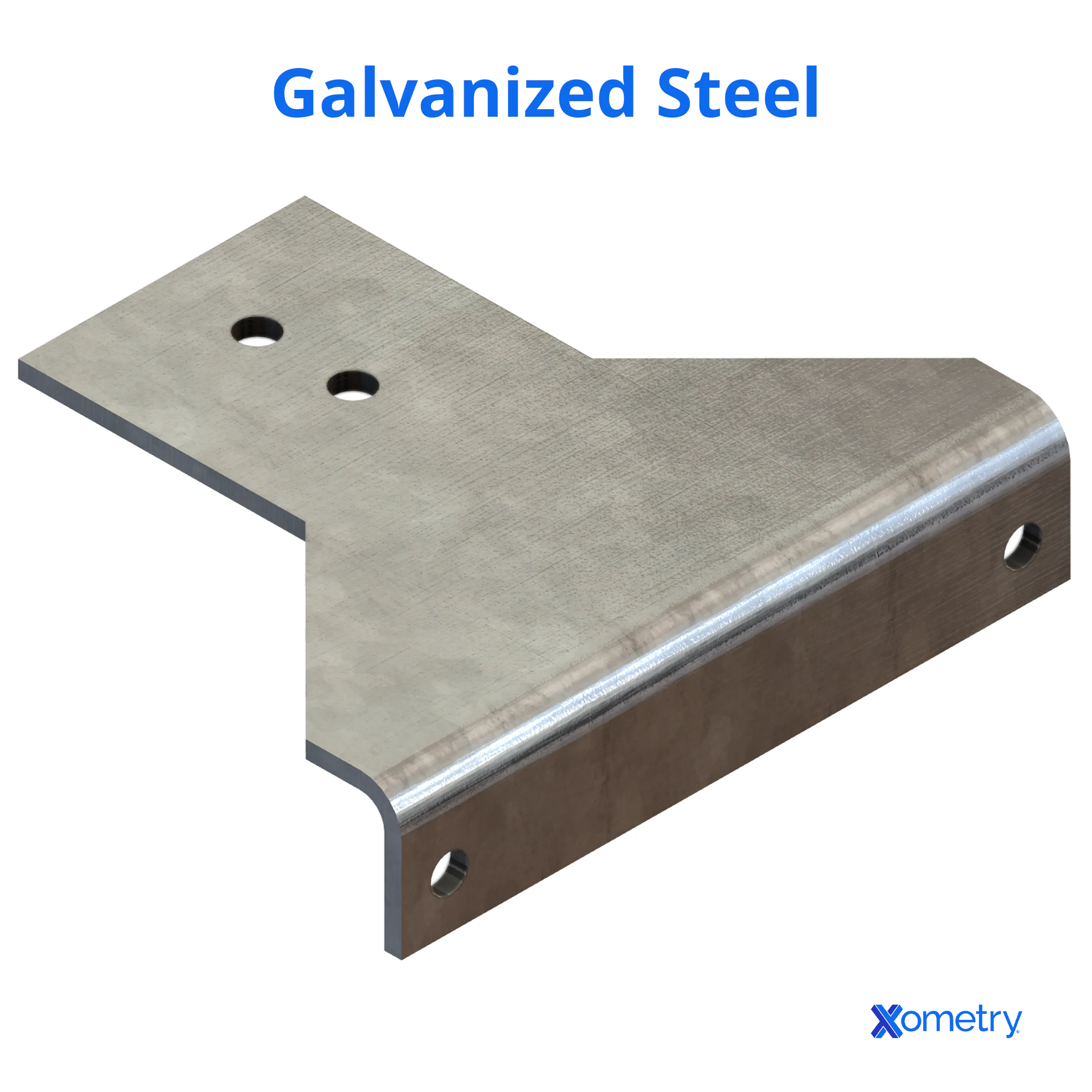
Galvanized steel is steel that has been coated with a protective layer of zinc to prevent corrosion and oxidation. The industrial material relies on a chemical and physical barrier to shield the underlying metal from moisture and oxygen. Modern production facilities utilize various techniques to apply zinc, with hot-dip processes ensuring a metallurgical bond forms between the two metals. Standard applications include outdoor furniture, structural beams, and automotive chassis components. Zinc acts as a sacrificial anode to protect the primary substrate even if the surface sustains deep scratches. High-quality production ensures the coating remains intact during bending or forming processes. Reliability in harsh environments makes the material a staple in global manufacturing and infrastructure development. Designers prioritize the substance for its exceptional longevity and low maintenance requirements compared to untreated iron. Large-scale structural projects depend on the consistent thickness of the zinc layer for safety.
What Does Galvanized Steel Look Like?
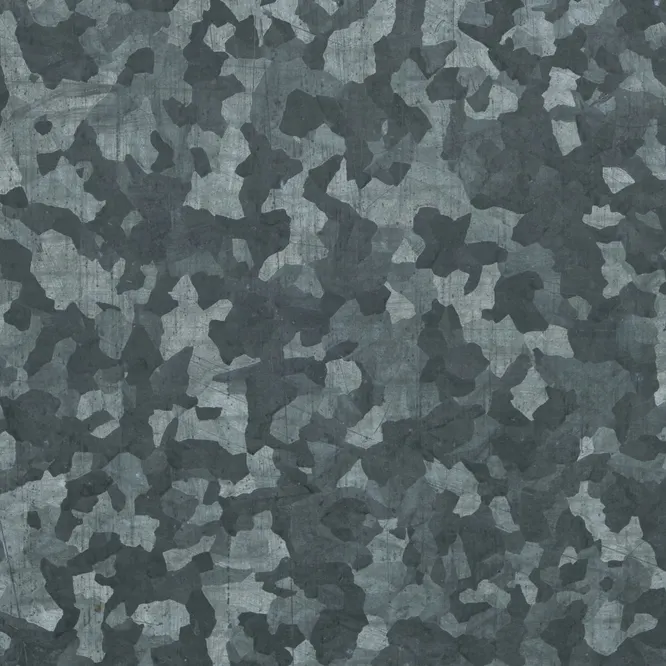
Galvanized steel often presents a distinct silvery-gray appearance, frequently characterized by a crystalline pattern known as spangle in hot-dip variants. The surface texture results from the cooling of molten zinc after the dipping process. Individual crystals vary in size depending on the cooling rate and chemical additives used during manufacturing. Newer components exhibit a bright and reflective sheen while older pieces develop a dull gray patina over time. Smooth finishes are common in electrogalvanized variants used for automotive panels or appliance housings. Hot-dip variants show a thicker and more rugged texture suitable for heavy-duty industrial use. Visual identification remains simple due to the unique metallic flakes visible on the surface. Maintaining the aesthetic quality requires minimal effort because the zinc layer resists unsightly rust streaks. Professionals recognize the material by its characteristic weight and industrial luster. Every component presents a unique surface signature based on the specific cooling environment.
How is Galvanized Steel Defined as a Metal Material?
Galvanized steel is defined as a metal material consisting of a steel substrate covered with a corrosion-resistant zinc layer. Engineering standards categorize the substance as a reliable solution for structural projects exposed to outdoor elements. The definition emphasizes the importance of the metallurgical bond that prevents the coating from peeling or flaking under stress. Structural integrity remains high because the core steel provides strength while the outer layer ensures protection. The specific combination creates a material that stays functional in humid or maritime climates for extended durations. Researchers classify the material based on the thickness and application method of the protective skin. Every industrial standard requires a specific weight of zinc per square foot to meet safety regulations. Manufacturers rely on the definition to produce consistent components for the global construction market.
Is Galvanized Steel a Type of Steel Coated with Zinc?
Yes, galvanized steel is steel coated with zinc to provide a durable and rust-resistant surface finish. The zinc layer serves as a primary defense against environmental factors, causing iron to oxidize. Specialized industrial methods apply the coating to ensure the materials become permanently bonded. Zinc provides a physical barrier and electrochemical protection through a sacrificial mechanism. Reliability in construction projects stems from the specific combination of materials. Structural components utilize the coating to ensure safety and longevity in various building environments. Consistent protection allows for the use of iron alloys in high-moisture areas.
What Does Galvanized Mean in Metal Processing?
In metal processing, “galvanized” means applying a protective zinc coating to steel or iron to prevent oxidation. The term originates from the study of galvanic cells and the electrochemical behavior of dissimilar metals. The process increases resistance to corrosion and extends the metal’s service life by decades. Protective layers form a permanent bond with the substrate during immersion (metallurgical) or plating (electrodeposition). Industrialists use the term to distinguish treated metals from raw or painted alternatives. The meaning encompasses a range of techniques including hot-dipping and thermal diffusion. Every galvanized part benefits from the sacrificial protection offered by the zinc element. High-quality processing ensures the coating remains uniform across complex geometries and interior surfaces. Engineers select the material for its ability to withstand mechanical wear and environmental stress.
How is the Term Galvanized Used in Steel Manufacturing?
The term galvanized used in steel manufacturing refers to the process of coating steel with a layer of zinc to prevent corrosion. The term describes steel that has undergone a zinc-coating process during manufacturing to improve its environmental durability. Producers use the designation to classify products destined for outdoor construction, infrastructure, and agricultural equipment. The label signifies a specific set of mechanical and chemical properties resulting from the galvanization process. Customers look for the term to ensure the components meet the required corrosion standards for a given project. The manufacturing context includes sub-categories like hot-dip or electrogalvanized to specify the coating thickness. Steel mills use the designation to track batches through the cleaning, pickling, and dipping stages. Every galvanized product undergoes rigorous testing to verify the weight and adherence of the zinc layer. The term represents a global standard for quality and rust prevention in the metallurgy sector.
Does Galvanized Refer to a Protective Metal Coating Process?
Yes, galvanized refers to a protective metal coating process where zinc is bonded to a steel or iron substrate. The process helps prevent oxidation and rust formation by shielding the base material from the atmosphere. Sacrificial protection occurs as the zinc layer corrodes preferentially to the underlying steel. Most industrial sectors rely on the process to create durable hardware for long-term use. The application provides a maintenance-free finish that lasts for several decades. Reliability in architectural projects depends on the consistency of the coating technique.
What is Galvanization in Steel Production?
Galvanization in steel production is a manufacturing process where steel is coated with zinc to protect it from corrosion and premature structural failure. The zinc layer acts as both a physical barrier and a sacrificial protective coating for the underlying iron. The process involves multiple chemical treatments to ensure the surface is perfectly prepared for the zinc bond. Molten zinc baths allow the metal to reach interior cavities of a complex structural part provided proper venting and drainage holes are utilized. In thermal processes, metallurgical reactions between the zinc and steel create a series of alloy layers that resist mechanical damage. The process remains the most cost-effective way to protect steel for long-duration outdoor exposure. Safety in building frames and transmission towers depends on the integrity of the galvanization. Every production run follows strict temperature and chemical parameters to maintain coating quality.
How Does the Galvanization Process Protect Steel Surfaces?
The galvanization process protects steel surfaces by applying a zinc coating that acts as a barrier against moisture and oxygen. The zinc layer prevents moisture and oxygen from contacting the steel surface by forming an impermeable barrier. Zinc reacts with the atmosphere to form a stable patina of zinc carbonate that resists further corrosion. The sacrificial mechanism allows the zinc to corrode first, even if the coating is scratched or punctured. The electrochemical behavior provides a self-healing property that standard paints do not replicate. Surface protection remains consistent across the entire component due to the uniform application of the metal. Longevity in harsh environments stems from the slow rate of zinc oxidation compared to iron. Structural safety is maintained as the core steel remains free from rust and thinning. Professionals value the process for its ability to protect hidden surfaces and sharp edges.
Does Galvanization Involve Coating Steel with Zinc?
Yes, galvanization involves coating steel with zinc through specialized industrial processes like hot-dipping or electroplating. The zinc layer is applied to create a permanent shield against environmental degradation. Reliability in construction stems from the strong metallurgical bond formed during the application. Most structural steel intended for outdoor use undergoes the coating to prevent red rust. Sacrificial protection ensures the material remains safe for many years. Industry standards require specific zinc weights to achieve the desired level of resistance.
How is Galvanized Steel Made?
Making galvanized steel involves cleaning the steel surface using alkaline solutions to remove oil, grease, and dirt. Second, rinse the material in fresh water to prepare for the acidic chemical treatment. Third, pickle the steel in a bath of hydrochloric or sulfuric acid to eliminate mill scale and iron oxides. Fourth, apply a flux solution to the surface to prevent oxidation before the metal enters the molten zinc. Fifth, immerse the prepared steel into a kettle of molten zinc at approximately 840 degrees Fahrenheit. Lastly, cool the coated component in a quench tank to stop the metallurgical reaction and allow for immediate handling.
What Steps Are Involved in the Galvanizing Process for Steel?
Steps involved in the galvanizing process for steel are listed below.
- Surface Cleaning: Degreasing baths remove oil, grease, and organic contaminants from the metal surface. The initial step ensures the subsequent chemical treatments react uniformly with the steel.
- Pickling: Acidic solutions eliminate mill scale and rust to expose a clean metallic surface for bonding. Maintaining the correct acid concentration is vital for the quality of the finish.
- Fluxing: A specialized chemical solution removes any remaining oxides and provides a protective layer. The flux ensures the molten zinc wets the steel surface completely during immersion.
- Zinc Coating: The steel component enters a kettle of molten zinc to initiate the metallurgical reaction. Thick layers of zinc-iron alloys form to provide the primary defense against corrosion.
Is Molten Zinc Used in the Galvanizing Process?
Yes, molten zinc is used in many galvanizing processes, especially in the hot-dip method. Steel is dipped into a large kettle of liquid zinc to create a strong and thick protective coating. The high temperature of the bath facilitates the formation of alloy layers between the two metals. Most structural components, like beams and pipes utilize the molten immersion technique. The liquid metal ensures every reachable surface of the component receives a uniform shield when proper venting is utilized. Reliability in heavy-duty applications depends on the thickness achieved in the molten bath.
What Metal is Used for Galvanizing Steel?
The metal used for galvanizing steel is zinc. Zinc is the primary metal used for galvanizing steel to provide superior protection against environmental degradation. The specific element offers a unique combination of physical barriers and sacrificial electrochemical properties. Manufacturers choose the material due to its ability to corrode much more slowly than the underlying iron or steel. The process ensures that any surface damage results in the zinc oxidizing instead of the primary structural core. Metallurgical reactions during the dipping stage create a series of alloy layers that resist peeling. Pure zinc forms the outer skin to provide the characteristic industrial appearance and texture. Reliability in construction depends on the quality and purity of the Base Metal used during the initial rolling or fabrication process. Engineers select the coating to ensure components last for fifty years or more without significant structural failure.
Why is Zinc Selected for Galvanizing Steel Surfaces?
Zinc is selected for galvanizing steel surfaces because it corrodes more slowly than steel and protects the underlying metal through a sacrificial process. Atmospheric exposure causes the element to react with oxygen and carbon dioxide to form a protective patina. The stable layer prevents further oxidation and remains bonded to the surface for decades. Zinc possesses a lower electrochemical potential than iron, meaning it always corrodes first. Small scratches or holes in the coating do not lead to rust because the surrounding material continues to shield the core. The application of the Zinc Metal ensures that structural frames remain safe in humid or coastal environments. Manufacturers value the cost efficiency and availability of the raw materials for large-scale production.
Is Zinc the Primary Metal Used for Galvanization?
Yes, zinc is the primary metal used in galvanization to ensure long-term corrosion protection. Its electrochemical properties provide a sacrificial defense that shields the steel substrate. Most industrial galvanizing plants consume high-purity zinc to achieve the best coating quality. The metal forms a series of alloy layers that become an integral part of the steel surface. Reliability in outdoor infrastructure depends on the consistent performance of the zinc shield. No other metal offers the same balance of protection and cost.
What Are the Properties of Galvanized Steel?
The properties of galvanized steel are listed below.
- Corrosion Resistance: The zinc coating provides a permanent barrier against moisture and oxygen. Sacrificial protection ensures the material remains rust-free even when the surface is damaged.
- Aesthetic Appearance: Crystalline spangle patterns provide a unique industrial look for architectural projects. The silvery finish eventually matures into a stable and attractive gray patina.
- Abrasion Resistance: Multiple alloy layers formed during galvanization are harder than the base steel. The hardness protects the component during transport and installation in rugged environments.
- Complete Protection: With proper venting and drainage, molten zinc reaches interior surfaces and tight corners that paint does not cover. Uniform coating ensures there are no weak spots for rust to begin.
- Sustainability: Galvanized components are fully recyclable at the end of their long service life. The longevity of the material reduces the environmental impact of frequent replacements.
Which Material Characteristics Define Galvanized Steel Properties?
The material characteristics define galvanized steel properties through its zinc coating, corrosion resistance, and durability. The material's properties are shaped by the combination of steel's strength and zinc's corrosion resistance. The coating thickness and bonding quality influence the overall durability and lifespan of the component. Metallurgical bonds ensure the protective layer does not flake off under mechanical stress or temperature changes. Surface characteristics like spangle size and sheen indicate the specific manufacturing conditions. Ductility remains high enough for the steel core to be formed, though the brittle alloy layers of hot-dip coatings may crack or flake under severe deformation. The sacrificial nature of the zinc ensures the core metal stays structural even in aggressive environments. Engineers evaluate the weight of the coating to determine the expected service life in different climates. Every property contributes to the reliability of the material in global infrastructure.
Does Galvanized Steel Have Corrosion Resistance?
Yes, galvanized steel has corrosion resistance provided by its protective zinc coating. The zinc layer shields the steel from environmental exposure and prevents the onset of rust. Sacrificial electrochemical properties ensure that the zinc corrodes first to protect the underlying iron. Most outdoor structures rely on the material to ensure safety for fifty years or more. Reliability in industrial and rural areas is high, though coastal environments require careful specification due to accelerated zinc depletion from salt spray.
What is the Composition of Galvanized Steel?
The composition of galvanized steel consists of a layer of zinc applied to a steel surface. The zinc layer forms metallurgical bonds with the steel surface during the immersion process. Cross-sections of hot-dip galvanized material reveal a series of zinc-iron alloy layers that increase in zinc content toward the surface. The innermost layers are hard and provide excellent abrasion resistance for the component. Pure zinc forms the outermost layer to provide the primary defense and visual finish. The core steel remains identical to standard structural grades to provide the necessary tensile strength. The composition ensures a synergy between the mechanical properties of iron and the chemical resistance of zinc. Manufacturers monitor the purity of both metals to achieve consistent results.
What Materials Form the Structure of Galvanized Steel?
The materials that form the structure of galvanized steel are steel and zinc. The structure includes steel as the core material and zinc as the protective outer layer. The materials work together to improve durability and resistance to environmental damage. Iron and carbon form the primary structural base that handles mechanical loads and stress. Zinc provides the chemical shield that prevents the iron from reacting with the atmosphere. In hot-dip processes, metallurgical reactions at the interface create a permanent union between the two different metals. The resulting composite material offers a higher level of performance than either metal could provide alone. Structural integrity is maintained by the core while the skin handles the corrosion. Every galvanized part relies on the specific material arrangement for its longevity.
Does Galvanized Steel Consist of Steel with a Zinc Coating?
Yes, galvanized steel consists of steel with a zinc coating applied through industrial processes. The combination improves corrosion resistance and extends the lifespan of the metal. Zinc provides a sacrificial barrier that protects the iron substrate from moisture and oxygen. Reliability in construction stems from the permanent bond formed between the materials. Most structural components utilize the coating to ensure long-term safety. The steel core remains strong while the zinc surface handles the environment.
What Types of Galvanized Steel Exist?
The types of galvanized steel exist are shown in the table below.
1. Hot Dip Galvanized Steel (HDG)
Hot dip galvanized steel is used in heavy-duty infrastructure like bridges, utility poles, and structural frames. The thick coating provides the highest level of protection for metals exposed to the elements for decades. Manufacturers immerse the parts in molten zinc to provide coverage of every reachable surface, provided proper venting and drainage are utilized. Reliability in harsh industrial environments makes it the standard for outdoor construction.
2. Electrogalvanized Steel (EG)
Electrogalvanized steel is used in automotive body panels, appliance housings, and electronic enclosures. The process uses electricity to apply a thin and exceptionally smooth layer of zinc to the surface. The finish is ideal for products requiring a high-quality aesthetic after painting or powder coating. Precise control over the thickness makes it suitable for small and complex components.
3. Galvannealed Steel
Galvannealed steel is used in door frames, signage, and automotive components requiring a matte finish. The process involves heating the galvanized steel to induce further alloying between the zinc and the iron. The resulting surface is exceptionally hard and porous, which provides the best possible adhesion for paints. The Galvannealed Steel remains a favorite for manufacturers who need both corrosion resistance and a specific color finish.
4. Pre Galvanized Steel (Mill Galvanized)
Pre galvanized steel is used in electrical conduits, fence posts, and mass-produced metal tubing. The process coats long sheets or wires of steel before the steels are formed into its final shapes. The method provides a uniform and cost-effective finish for products used in less aggressive environments. The edges of the final part stay protected by the sacrificial action of the surrounding zinc.
5. Sherardized Steel (Thermal Diffusion Galvanized)
Sherardized steel is used for small hardware like nuts, bolts, and specialized fasteners. The process involves heating the steel parts with zinc powder in a rotating drum to create a diffusion bond. The method produces a highly uniform coating that does not interfere with the precision of threaded components. It provides excellent wear resistance and protection for intricate industrial parts.
What Are the Common Uses of Galvanized Steel?
The common uses of galvanized steel are listed below.
- Construction and Building Materials: Roofing sheets, structural beams, and wall studs utilize the material for long-term safety. The zinc coating ensures the building frame remains rust-free for the life of the structure.
- Infrastructure and Public Utilities: Utility poles, bridge girders, and highway guardrails depend on the material for environmental resilience. High-quality protection reduces the need for frequent government maintenance.
- Automotive Industry: Chassis components and body panels use galvanized coatings to prevent vehicle rust. Car manufacturers rely on the material to provide long-term value for consumers.
- Agricultural Equipment: Grain silos, animal pens, and tractor parts utilize the material to survive humid farm conditions. The rugged finish stands up to mechanical wear in diverse agricultural environments.
- Household Products: Garden tools, buckets, and outdoor furniture feature the crystalline spangle for durability and style. Retailers offer the products for their reliable performance in home gardens.
- Electrical and Industrial Applications: HVAC ducting, cable trays, and solar panel racks use the material for structural support. Its structural strength and environmental durability make it suitable for diverse utility roles.
Use for Construction and Building Materials
Common uses of galvanized steel in construction include roofing, wall cladding, and structural floor decking. Modern skyscrapers and warehouses utilize coated beams in the structural frame to ensure it stays free from rust. The material provides a fire-resistant and pest-proof alternative to traditional wood framing. A standard galvanized pipe range is approximately $95.00 - $145.00 per 21-foot joint for various plumbing and support needs. Building codes require the material for any metal exposed to the exterior atmosphere.
Use for Infrastructure and Public Utilities
Galvanized steel serves as the backbone for public utility networks, including power transmission towers and lighting poles. Highway safety depends on the strength of coated guardrails and sign supports along the road. Bridge engineers select the material for reinforcement bars to prevent concrete spalling caused by internal rust. Public transit systems utilize the material for station structures and railway supports. The longevity of the zinc coating ensures that taxpayer funds are spent efficiently on permanent solutions.
Use for Automotive Industry
Car manufacturers utilize galvanized steel for the majority of the vehicle's body and chassis to prevent rust. Critical components like suspension arms and fuel tanks rely on the coating for safety in snowy or salty conditions. Electrogalvanized sheets provide a smooth surface that allows for the perfect application of modern automotive paints. The material ensures that vehicles maintain their structural integrity and resale value for over a decade. Safety ratings depend on the long-term durability of the coated metal parts.
Use for Agricultural Equipment and Structures
Farms rely on galvanized steel for grain silos, barns, and complex irrigation systems. Animal housing utilizes the material for its structural durability and resistance to high humidity. Fencing and gates made from coated metal provide a sturdy and low-maintenance solution for large acreages. Agricultural machinery uses galvanized components to ensure the tools last through many planting and harvest seasons. The rugged nature of the zinc-iron bond handles the daily stress of rural life.
Use for Household and Consumer Products
Consumer products like trash cans, garden buckets, and outdoor furniture utilize the material for its classic look and durability. HVAC systems in most homes use galvanized ductwork to distribute air without the risk of internal corrosion. Playground equipment and park benches rely on the material to stay safe for children over many years of use. Retailers choose the material for its ability to withstand the abuse of shipping and retail display. The characteristic spangle pattern remains a popular aesthetic choice for industrial-style home decor.
Use for Electrical and Industrial Applications
Industrial plants utilize galvanized steel for cable trays, walkways, and complex piping supports. Solar energy farms use coated racking systems to ensure the panels stay secure for their twenty-five-year lifespan. Electrical enclosures and junction boxes protect sensitive components from moisture using the zinc shield. HVAC manufacturers select the material for its balance of strength and ease of fabrication. The material provides a reliable ground for electrical systems while resisting the buildup of static and rust.
How Does Galvanized Steel Compare to Regular Steel?
The galvanized steel, compared to regular steel, offers superior corrosion resistance. Galvanized steel offers higher corrosion resistance than regular steel when exposed to outdoor elements. Standard iron alloys react quickly with oxygen and moisture to form rust that weakens the structural integrity. The addition of a protective zinc layer prevents degradation by acting as a permanent physical shield. Regular steel requires frequent painting or chemical treatments to maintain its surface quality. Galvanized components remain maintenance-free for decades in most urban and rural environments. Structural strength remains identical between the two materials because the coating does not alter the properties of the Steel Metal used in the core. Engineers choose the coated version for projects where long-term durability outweighs the initial material costs.
What Differences Exist Between Galvanized Steel and Non Galvanized Steel?
Differences exist between galvanized steel and non-galvanized steel center on environmental longevity and surface maintenance requirements. Non-galvanized material requires immediate protection through oils or paints to prevent the onset of red rust. Coated steel utilizes a self-healing zinc layer that protects exposed edges and accidental scratches. The aesthetic appearance varies from the dark or polished look of raw steel to the crystalline spangle of the galvanized version. Cost structures differ as the galvanization process adds an initial premium but reduces long-term repair expenses. Non-galvanized steel serves well in indoor or controlled environments where moisture levels stay low. Professionals select the coated option for structural supports, guardrails, and roofing systems.
Is Galvanized Steel More Corrosion Resistant Than Regular Steel?
Yes, galvanized steel is more corrosion resistant than regular steel due to its protective zinc skin. The coating prevents water and oxygen from reaching the reactive iron surface. Sacrificial protection ensures the material remains durable even if the surface sustains minor mechanical damage. Regular steel lacks the inherent defense and will oxidize rapidly when exposed to rain or humidity. Most industrial applications require the galvanized version to ensure structural safety over many decades.
How Does Galvanized Steel Compare with Other Engineering Metals?
Galvanized steel is compared with other engineering metals by offering corrosion resistance through its zinc coating. Galvanized steel serves as a cost-effective alternative to expensive engineering metals like stainless steel or aluminum in structural applications. It provides the high tensile strength of carbon steel combined with the corrosion resistance of non-ferrous coatings. Most designers prioritize the material for large-scale infrastructure, where using solid alloys would be prohibitively expensive. Performance in urban environments rivals more exotic metals for a fraction of the price. The material handles heavy loads and mechanical stress better than many lightweight polymer or composite options. Reliability in construction stems from nearly two centuries of data supporting the effectiveness of the zinc-iron bond in hot-dip processes. Industrialists utilize the material for everything from HVAC ducting to heavy-duty bridge supports.
What Differences Exist Between Galvanized Steel and M2 Tool Steel in Industrial Applications?
Differences between galvanized steel and M2 tool steel in industrial applications involve the primary intended application and mechanical hardness. M2 is a tungsten-molybdenum high-speed steel designed specifically for cutting tools and heavy-duty machining. Galvanized steel focuses on environmental resistance and structural utility in outdoor construction projects. The coating on the structural steel protects against rust, while the composition of the tool steel provides extreme wear resistance at high temperatures. High-speed tools made from M2 Tool Steel maintain their sharp edges during intensive industrial manufacturing processes. Galvanized material is much softer and more ductile, making it suitable for forming into pipes or sheets. Selection depends on whether the project requires environmental durability or precision cutting performance.
Is M2 Tool Steel Harder Than Galvanized Steel?
Yes, M2 tool steel is harder than galvanized steel because of its high carbon and alloy content. The material is engineered to maintain its hardness even when subjected to extreme heat during cutting or drilling. Galvanized steel is a soft structural material designed for flexibility and corrosion resistance. Standard hardening processes for tool steel create a crystalline structure far harder than common construction alloys. Industrial manufacturing relies on the hardness to process other metals efficiently.
How Does Galvanized Steel Compare to Titanium in Material Engineering?
Galvanized steel compared to titanium in material engineering by offering a more cost-effective option for corrosion resistance. Galvanized steel provides a heavy and sturdy solution for construction, while Titanium (Ti) offers an ultra-lightweight and high-strength alternative. Titanium is naturally resistant to corrosion without the need for an external coating. The steel version relies on a sacrificial zinc layer to maintain its structural integrity in harsh environments. Cost remains a primary factor as titanium is more expensive than even the highest grades of coated steel. Structural engineers choose the steel option for massive projects where weight is less critical than budgetary constraints. Titanium excels in aerospace and medical applications where biocompatibility and weight savings are essential. Galvanized and Titanium (Ti) materials offer exceptional longevity but serve vastly different sectors of the global economy.
What Distinguishes the Properties of Galvanized Steel from Titanium (Ti)?
Distinguishing properties between galvanized steel and titanium include density, thermal conductivity, and the mechanism of corrosion resistance. Steel is much denser and provides a more rigid structural base for large-scale building projects. Titanium forms a stable and invisible oxide layer that prevents degradation in salt water or acidic conditions. The galvanized material utilizes a visible zinc coating that provides electrochemical protection to the iron core. Magnetic properties also differ, as steel remains magnetic while titanium is non-ferromagnetic. Industrial fabrication of steel is simpler and uses standard welding and cutting equipment. Titanium requires specialized vacuum environments for processing to prevent contamination.
Is Titanium More Corrosion Resistant Than Galvanized Steel?
Yes, titanium is more corrosion resistant than galvanized steel because it possesses an inherent and permanent oxide layer. The natural shield reforms instantly if the surface is scratched or damaged. Galvanized steel relies on a sacrificial zinc coating that eventually wears away over many decades. Titanium resists aggressive chemicals and saltwater far better than any zinc-coated iron alloy. Most maritime and chemical processing industries specify titanium for critical components exposed to extreme corrosive agents.
How Does Galvanized Steel Compare with Nickel Alloys in Industrial Use?
Galvanized steel compared with nickel alloys in industrial use by offering a more affordable option for corrosion resistance. Galvanized steel provides a budget-friendly option for general construction, while Nickel Alloys are engineered for extreme chemical and thermal environments. High-performance alloys containing nickel resist oxidation at temperatures where zinc coatings would melt or vaporize. Structural steel serves as the backbone for buildings, fences, and bridges in standard atmospheric conditions. Nickel-based materials are essential for jet engines, chemical reactors, and deep-sea oil extraction equipment. The cost of nickel is higher, limiting its use to specialized industrial components. Galvanized steel and nickel alloys offer protection against rust through different metallurgical strategies. Reliability in high-stress scenarios makes nickel the superior choice for advanced engineering projects.
What Performance Differences Exist Between Galvanized Steel and Nickel Alloys?
Differences exist between galvanized steel and nickel alloys are listed below.
- Temperature Tolerance: Nickel alloys maintain structural integrity at extreme temperatures exceeding 1000 degrees Celsius. Galvanized steel coatings melt at approximately 420 degrees Celsius and lose their protective properties.
- Chemical Stability: Nickel-based materials resist highly acidic and alkaline solutions found in chemical processing plants. Zinc coatings on steel react quickly with strong acids and dissolve over time.
- Mechanical Strength: Alloys containing nickel provide superior creep resistance and tensile strength under constant thermal stress. Coated steel offers high strength for building frames, but softens when exposed to fire.
Are Nickel Alloys More Resistant to High Temperatures Than Galvanized Steel?
Yes, nickel alloys are more resistant to higher temperatures than galvanized steel due to their high melting points and thermal stability. Zinc coatings on structural steel begin to degrade and melt at temperatures around 419 degrees Celsius. Nickel-based materials remain functional and strong at temperatures reaching 1000 degrees Celsius or higher. Most aerospace and power generation industries rely on the alloys for components inside turbines and reactors. Galvanized material serves only for standard environmental protection.
How Does Galvanized Steel Compare with Polyester Plastics?
Galvanized steel, compared with polyester plastics, offers superior strength and durability. Galvanized steel represents a rigid structural material, while Polyester Plastics offer a lightweight and flexible alternative for consumer goods. Steel provides the necessary load-bearing capacity for buildings and heavy machinery. Polymers like polyester serve best in textiles, packaging, and small component housings. Resistance to corrosion is absolute in plastics because it does not contain iron or reactive metals. Coated steel relies on its zinc skin to prevent the inevitable oxidation of the core metal. Recyclability is high for galvanized steel and polyester plastics materials, but follows different industrial pathways. Manufacturers select the metallic option for permanent installations requiring high impact resistance and structural safety.
What Differences Exist Between Galvanized Steel and Polyethylene Terephthalate (PET)?
Differences exist between galvanized steel and Polyethylene Terephthalate (PET) are listed below.
- Material Density: Steel has a density of approximately 7.8 grams per cubic centimeter. Polyethylene Terephthalate (PET) is much lighter, with a density of around 1.38 grams per cubic centimeter.
- Structural Rigidity: Galvanized components resist bending and deformation under heavy structural loads. PET is flexible and suited for thin-walled containers or synthetic fibers used in clothing.
- Thermal Conductivity: Coated steel is used in HVAC systems and structural frames for its strength and corrosion resistance. Polyester is frequently used for food storage and packaging Polyethylene Terephthalate (PET).
Is Polyethylene Terephthalate (PET) Commonly Used for Packaging Materials?
Yes, PET is commonly used for packaging materials because of its transparency, strength, and lightweight properties. Beverage bottles and food containers utilize the polymer to ensure product safety and shelf stability. It provides an effective barrier against moisture and gases while remaining cost-effective for high-volume production. Recyclability makes it a preferred choice for companies focusing on sustainable packaging solutions. Galvanized steel is too heavy and expensive for single-use consumer packaging.
What Are the Advantages of Using Galvanized Steel?
The advantages of using Galvanized Steel are listed below.
- Low Initial Cost: Galvanization is more affordable than alternative protection methods like painting or using stainless steel. High-speed production lines allow for the coating of thousands of components daily.
- Long-Term Durability: Coated structures remain maintenance-free for over fifty years in most rural environments. The zinc layer provides continuous protection without the need for periodic reapplications.
- Complete Coverage: With proper venting and drainage, dipping processes ensure that the molten zinc reaches interior surfaces and corners that paint does not cover. The uniform shield prevents hidden rust from developing in structural recesses.
- Sacrificial Protection: Zinc continues to protect the steel even if the surface is scratched or damaged. The electrochemical defense ensures the structural integrity of the part remains intact.
- Fast Installation: Galvanized parts arrive at the construction site ready for immediate assembly. No extra time is required for on-site painting or chemical treatments.
How Do Durability and Maintenance Benefits Affect Galvanized Steel Applications?
Durability and maintenance benefits affect galvanized steel applications by making it a reliable choice for long-term use in harsh environments. The benefits of galvanized steel make it the most efficient choice for long-term infrastructure projects. The sacrificial zinc coating ensures that minor surface damage does not lead to catastrophic structural failure. Most outdoor installations require zero inspections or repairs for several decades after the initial setup. It reduces the total cost of ownership compared to painted steel which needs frequent touch-ups. Reliability in industrial and rural areas remains high due to the chemical stability of the zinc patina. Designers select the material to ensure bridges and transmission towers stay safe with minimal human intervention.
"The efficacy of galvanization as a structural failsafe is fundamentally linked to the integrity of the intermetallic alloy layers formed during the thermal diffusion process: designers must prioritize venting geometry to avoid air entrapment that compromises internal cathodic protection. While the sacrificial mechanism offers exceptional resilience (even in the presence of minor surface abrasions), selecting the appropriate coating weight remains the critical variable in mitigating the accelerated zinc consumption rates common in chloride-dense maritime atmospheres."
Does Galvanized Steel Require Less Maintenance Than Bare Steel?
Yes, galvanized steel requires less maintenance than bare or painted steel. The metallurgical bond between the zinc and iron creates a permanent shield that does not peel or flake. Painted surfaces degrade under UV light and moisture, requiring regular scraping and re-coating. Zinc layers provide a self-healing mechanism that protects the material for fifty years or more. Choosing the coated material eliminates the labor and costs associated with traditional rust prevention.
What Are the Limitations of Galvanized Steel?
The limitations of Galvanized Steel are listed below.
- Acid Sensitivity: Zinc reacts quickly with strong acids found in chemical plants or certain industrial cleaners. The interaction dissolves the protective coating and exposes the reactive steel core.
- Welding Hazards: Heating galvanized material releases toxic zinc oxide fumes that require specialized ventilation and safety gear. Welders must remove the coating from the joint area to ensure a strong and safe bond.
- Size Constraints: Large structural components are limited by the size of the available galvanizing kettles. Over-sized parts require specialized facilities or alternative protection methods like zinc thermal spraying.
- White Rust: Storing galvanized parts in wet and unventilated conditions causes the formation of unsightly white zinc hydroxide. Proper storage and airflow are required to maintain the aesthetic quality of the metal.
- Incompatibility: Galvanized steel is subject to accelerated corrosion in direct contact with copper or certain treated woods. Electrochemical reactions cause the zinc coating to fail prematurely through galvanic corrosion.
What Environmental Factors Can Affect Galvanized Steel Performance?
Environmental factors can affect galvanized steel performance by influencing its corrosion resistance. Environmental factors like humidity, air pollution, and geographic location affect the performance of galvanized steel. High levels of sulfur dioxide in industrial zones accelerate the corrosion rate of the protective zinc layer. Coastal regions with high salt spray levels cause the sacrificial coating to deplete faster than in dry inland climates. Consistent moisture prevents the formation of a stable patina, leading to a condition known as white rust. Most standard coatings perform best in pH-neutral environments with moderate airflow. Engineers must consider the local microclimate when calculating the expected service life of a coated structure.
Can Saltwater Environments Reduce the Lifespan of Galvanized Steel?
Yes, saltwater environments reduce the lifespan of galvanized steel because chlorides accelerate the oxidation of the zinc coating. Constant exposure to sea spray prevents the formation of a protective patina and leads to rapid depletion of the sacrificial layer. Most coastal installations require thicker coatings or additional topcoats to maintain structural integrity. Bare galvanized steel lasts only twenty years in maritime conditions compared to eighty years in a dry desert. Reliability in the zones depends on the weight and quality of the applied zinc.
Summary
This article presented galvanized steel, explained what it is, and discussed when it's used in manufacturing. To learn more about galvanized steel and other metals, contact a Xometry representative.
Xometry provides a wide range of manufacturing capabilities and value-added services for all of your prototyping and production needs. Visit our website to learn more or to request a free, no-obligation quote.
Disclaimer
The content appearing on this webpage is for informational purposes only. Xometry makes no representation or warranty of any kind, be it expressed or implied, as to the accuracy, completeness, or validity of the information. Any performance parameters, geometric tolerances, specific design features, quality and types of materials, or processes should not be inferred to represent what will be delivered by third-party suppliers or manufacturers through Xometry’s network. Buyers seeking quotes for parts are responsible for defining the specific requirements for those parts. Please refer to our terms and conditions for more information.