Superalloys: Definition, Types, and Examples


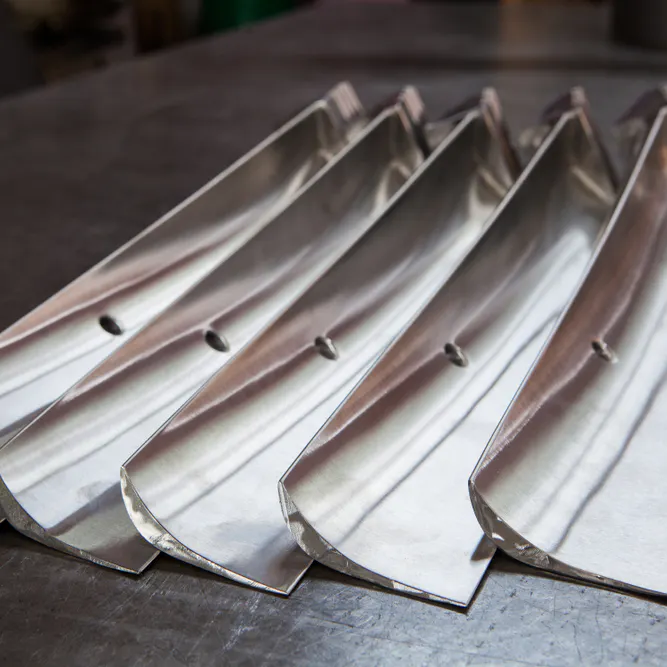
Superalloys are high-performance metallic materials like Inconel, Hastelloy, and René alloys defined by their ability to maintain strength and shape in extreme environments. Superalloys maintain strength at temperatures often above ~700–1000°C depending on alloy composition and cooling methods, especially in turbine environments. Engineering sectors rely on specialized metals to prevent serious breakdowns in intense heat and high-stress zones. Nickel-based, cobalt-based, and iron-based categories represent the primary groups within the material family. Superior creep resistance and oxidation resistance are essential traits for performance in combustion chambers. Creep resistance prevents permanent stretching during long-term exposure to heavy loads. Oxidation resistance refers to resistance to high-temperature oxidation and hot corrosion, rather than conventional rusting and damage in gas-filled atmospheres. The aerospace industry utilizes the materials for turbine blades and exhaust parts in jet engines. Power generation facilities use the alloys in gas turbines to improve energy production efficiency. Nuclear reactors and chemical processing plants require tough materials for critical hardware safety. Industrial systems achieve higher safety and durability because of the advanced features of the metals. Reliability in harsh conditions depends on the unique internal structure of the specialized Superalloys. Engineering success relies on a functional Definition to guide material selection for turbines. Operating limits vary according to the specific Types found in modern engines. Turbine blades and combustion liners represent standard industrial examples for high-heat hardware.
What Are Superalloys?
Superalloys are advanced alloys engineered for high-temperature strength and corrosion resistance. The metallic materials typically contain nickel, cobalt, or iron as base elements to maintain structural integrity under extreme conditions. High-temperature performance results from multiple strengthening mechanisms, including γ′ (gamma prime) precipitation strengthening, solid solution strengthening, and grain boundary control. Superalloys are typically designed to operate well above ~700 °C and up to ~1000 °C or higher in turbine environments, often with cooling systems. Elements like chromium and aluminum provide a protective oxide layer against environmental degradation. Engineers select the alloys for their exceptional mechanical strength and resistance to surface damage. The presence of secondary phases provides additional reinforcement within the metal matrix. The materials demonstrate remarkable stability during prolonged exposure to stress and heat. Many gas turbine components rely on the specialized metals for long-term reliability. Components maintain their shape and function because of a unique microstructure.
How Are Superalloys Different From Aluminum Alloys?
Superalloys differ from aluminum alloys primarily through their melting points and high-temperature strength capabilities. Standard aluminum alloys lose significant structural strength when temperatures exceed 200°C. Superalloys maintain useful mechanical strength at very high temperatures (often ~700–1,000 °C), but not typically near their melting points. Most aluminum-based components melt or soften long before reaching the operating temperatures of jet engines. Nickel-based superalloys handle extreme thermal environments where lightweight metal failure occurs instantly. Industrial applications for lightweight materials focus on weight reduction in transportation and construction. Superalloys occupy critical roles in aerospace propulsion and power generation systems requiring intense heat resistance. Many superalloys exhibit excellent oxidation and hot-corrosion resistance at high temperatures, though corrosion resistance varies depending on alloy composition. Modern aircraft design depends on the distinct performance envelopes of both material groups. Weight reduction in non-heat zones remains the primary function for aluminum alloys.
How Do Superalloys Compare to Plastic Materials?
Superalloys compare to plastic materials as high-strength metallic alternatives designed for extreme thermal environments where polymers decompose. Plastic materials are synthetic or semi-synthetic organic compounds that offer lightweight properties and ease of manufacturing. Polymers lose structural strength well below 300 °C, often between ~100 °C and ~250 °C depending on polymer type, while high-performance polymers may tolerate higher temperatures. Superalloys can operate up to roughly 700–1100 °C depending on alloy composition, cooling methods, and environment, but mechanical strength decreases as temperature rises. Manufacturing processes for metals involve casting or sintering, while plastic materials utilize injection molding or extrusion. Plastics serve well in consumer goods and non-structural automotive parts because of their low cost. Superalloys are reserved for high-stakes industrial applications like jet engines and nuclear reactors. Metals provide higher tensile strength, but some fiber-reinforced polymers can achieve comparable or higher strength-to-weight ratios. Resistance to high-pressure mechanical loads is a requirement that only specialized alloys fulfill. Industrial systems operating in heat-intensive zones rely exclusively on metallic superalloy components.
Are Superalloys Heat Resistant Alloy?
Yes, superalloys are heat-resistant alloys designed to withstand temperatures above 700°C. The materials provide exceptional resistance to oxidation and creep under intense thermal conditions. Chemical composition allows the metals to operate in the hottest sections of industrial machinery. Turbine engines utilize the alloys because they do not soften or degrade easily. The ability to remain strong at high temperatures makes them ideal for power generation equipment. Surface stability remains intact even during exposure to harsh combustion gases. Engineers rely on the alloys for components that face constant thermal stress. Many structural steels lose strength around 400–600 °C, while superalloys maintain strength at significantly higher temperatures. Long-term durability in high-heat zones is achieved through specialized alloying elements.
Why Are Superalloys Important in Industry?
Superalloys are important because they enable reliable performance in extreme environments where standard metals fail. The materials prevent catastrophic failure under intense high heat and mechanical stress. Using the alloys improves safety and efficiency in critical systems like jet engines. Modern aviation relies on the high-temperature capabilities of the metals for fuel efficiency. Power plants generate electricity more effectively by operating at higher temperatures made possible by advanced alloys. Using materials with insufficient high-temperature capability can increase component wear, reduce service life, and raise maintenance requirements. Their durability extends the service life of expensive industrial components. Chemical processing plants use them to handle volatile reactions safely. Many technological advancements in energy and transport depend on the resilience of the metallic structures. Proven reliability in high-stakes engineering sectors makes the materials indispensable for global infrastructure.
Which Industries Rely on Superalloys for High Temperature Applications?
Aerospace, power generation, oil and gas, and chemical industries rely on superalloys for high-temperature applications. The sectors operate under high thermal loads that demand exceptional material stability. Aerospace engineers use the alloys in turbine blades and exhaust nozzles to withstand combustion heat. The power generation sector employs them in gas and steam turbines for electricity production. Oil and gas companies utilize the metals for deep-sea drilling equipment and refinery components. Chemical processing facilities require materials that resist both heat and corrosive substances. Superalloys ensure durability and long service life in the demanding industrial environments. Components made from the alloys maintain their shape and strength during continuous operation. Reliability in the high-stakes industries depends on the advanced properties of nickel and cobalt-based metals. Modern infrastructure stays functional because of the high-performance materials.
Are Superalloys Commonly Used in Aerospace Turbines?
Yes, superalloys are widely used in aerospace turbines to ensure structural integrity during flight. Turbine blades require extreme heat resistance to function near the core of jet engines. The materials maintain their strength under intense combustion temperatures and high rotational speeds. Jet engines operate more efficiently when internal temperatures are high. Superalloys provide the necessary creep resistance to prevent blade elongation during operation. Engineers choose the alloys to minimize the risk of mechanical failure in mid-air. The aerospace industry consumes a large portion of global superalloy production for engine manufacturing. Maintaining performance in the hot section of a turbine is impossible without the specialized metals. Safety standards in aviation demand materials that handle extreme thermal cycling without cracking.
What Are the Types of Superalloys?
The types of superalloys are listed below.
- Nickel-Based Superalloys: The alloys represent the most common materials for turbine applications and aerospace engines. They offer the best balance of high-temperature strength and creep resistance.
- Cobalt-Based Superalloys: Cobalt-based superalloys typically rely more on solid-solution strengthening and carbide formation, rather than the γ′ precipitation strengthening that dominates nickel-based superalloys.
- Iron-Based Superalloys: The alloys offer a lower cost with moderate performance compared to nickel and cobalt types. They find use in applications with lower temperature requirements or less intense mechanical stress.
How Do Nickel Based Superalloys Compare to Cobalt Based Superalloys?
Nickel-based superalloys offer superior high-temperature strength while cobalt-based superalloys excel in corrosion resistance. Nickel alloys dominate turbine use because they utilize a strengthening phase called gamma prime. Gamma-prime strengthening allows nickel-based superalloys to maintain strength at very high temperatures (often ~700–1000 °C), but not typically near their melting point. Cobalt alloys perform better in hot corrosive environments containing sulphur or salt. The materials are easier to weld and offer higher resistance to thermal fatigue. Most jet engine hot sections prioritize the mechanical strength provided by nickel-based systems. Industrial gas turbines utilize cobalt-based components in areas prone to environmental degradation. Nickel-based options generally have better creep resistance over long periods of operation. Nickel-based superalloys generally maintain better high-temperature mechanical strength, while cobalt-based alloys provide better corrosion resistance and thermal stability in certain environments. Nickel and Cobalt alloy types are essential for modern high-performance thermal systems.
Are Nickel Superalloys the Most Common in High Temperature Applications?
Yes, nickel superalloys are the most common materials for high-temperature applications across various heavy industries. The alloys provide excellent creep resistance and mechanical strength under extreme thermal conditions. Jet engines and gas turbines rely heavily on specialized metals for their most critical internal components. The ability to form a stable microstructure allows the metals to endure prolonged stress. Manufacturers prefer the alloys because of their reliable performance in the hottest engine sections. Widespread use in aerospace and power generation demonstrates their industrial importance. It offers a superior combination of ductility and toughness at elevated temperatures. Engineers select the materials for their proven track record in high-stakes engineering projects. Resistance to environmental damage is improved through the inclusion of a nickel superalloy.
What Are the Properties of Superalloys?
The properties of superalloys are listed below.
- High-Temperature Strength: The property allows the material to maintain its load-bearing capacity under intense heat. Superalloys retain significant mechanical strength at elevated temperatures, though strength gradually decreases as temperature rises.
- Creep Resistance: The characteristic helps the alloy resist permanent deformation over time under mechanical load. It ensures that turbine blades do not stretch and hit the engine casing.
- Oxidation Resistance: The property enables the metal to withstand hot environments without forming thick layers of rust. Protective oxide films develop on the surface to prevent internal degradation.
- Thermal Stability: The quality ensures the material maintains its internal microstructure during long-term exposure to heat. Superalloys are designed so that strengthening phases remain stable over long periods at high temperatures, although some microstructural evolution may still occur over time.
How Do Superalloy Properties Affect Their Industrial Applications?
Superalloy properties determine suitability for extreme environments by matching material capabilities to operational demands. High-temperature strength allows for the use of the materials in turbine blades that face centrifugal forces. Creep resistance ensures that critical components maintain their dimensions during years of service. Corrosion resistance supports chemical processing by protecting equipment from acidic or oxidizing reagents. Industrial efficiency increases when materials handle higher operating temperatures without failing. Engineers design jet engines and power plants around the specific limits of the advanced alloys. Thermal stability prevents the degradation of engine parts during frequent start and stop cycles. Choosing the right alloy property reduces the need for expensive repairs and downtime. Every industrial application relies on a specific balance of the mechanical and chemical traits. Performance in the aerospace and energy sectors remains dependent on the precise material characteristics.
Are Superalloys Known for High Strength at Elevated Temperature?
Yes, superalloys retain exceptional strength at elevated temperatures compared to conventional metals. The materials resist creep and deformation while operating near their melting points. High-load components in engines require this stability to prevent mechanical failure during flight or power generation. The internal structure remains rigid even when thermal energy is high. Engineers use the alloys for parts that must carry heavy weights in hot zones. Many nickel-based superalloys are designed to retain useful strength at temperatures approaching ~1000 °C in turbine environments, though exact performance depends on alloy composition and cooling strategies. Their unique composition prevents the weakening that occurs in standard steel alloys. Strength is essential for the durability of high-speed rotating machinery. Reliable performance in extreme heat defines the utility of the advanced metallic systems.
What Are the Thermal Characteristics of Superalloys?
Superalloys exhibit high thermal stability and oxidation resistance as their primary thermal characteristics. The materials maintain their internal structure and mechanical properties under prolonged heat exposure. Resistance to thermal fatigue improves the durability of components that experience temperature fluctuations. Superalloys have higher melting temperatures than many structural metals, enabling operation at very high temperatures, but they still operate well below their melting points. Oxide layers forming on the surface protect the bulk metal from rapid environmental damage. The alloys demonstrate low thermal expansion rates to maintain precise clearances in rotating machinery. 03. Components in gas turbines rely on their characteristics to survive hours of continuous operation. Thermal stability ensures that reinforcing phases do not dissolve or coarsen during use. Overall performance in high-heat zones depends on the enduring thermal traits.
How Do Nickel Based Superalloys Handle Thermal Fatigue and Stress?
Nickel-based superalloys resist thermal fatigue through stable microstructures that endure repeated temperature changes. The materials withstand repeated heating and cooling cycles without developing internal cracks. Thermal fatigue resistance results mainly from precipitation strengthening, solid-solution strengthening, and controlled microstructures, rather than crystal structure alone. Managing mechanical stress occurs through the presence of hardening precipitates within the metal matrix. The precipitates block the movement of defects that lead to material fatigue. Preventing cracking in turbine blades is a primary function of the specialized alloys. Aerospace engines subject components to rapid temperature shifts during takeoff and landing. Nickel-based systems provide the toughness needed to survive the transitions safely. Engineering the alloys involves balancing chemical composition to maximize fatigue life. Reliable operation in volatile thermal environments makes the metals indispensable for modern propulsion systems.
Do Superalloys Maintain Strength Under Thermal Cycling?
Yes, superalloys maintain strength during thermal cycling without significant loss of mechanical integrity. The materials resist microstructural degradation when transitioning between extreme heat and cold. Ensuring a long service life for engine parts requires this resistance to thermal shocks. Many industrial processes involve frequent heating and cooling phases that destroy standard metals. Strengthening phases remain relatively stable over many cycles, though coarsening or microstructural changes may occur during long service lifetimes. The stability prevents the formation of stress-related cracks in critical hardware. Engineers rely on this property to ensure the safety of power plants and aircraft. Consistent performance under changing thermal loads is a hallmark of the advanced alloys. Their ability to survive repeated thermal expansion and contraction is vital for industrial reliability.
Where Are Superalloys Commonly Used?
Superalloys are used in turbines, nuclear reactors, and high-pressure chemical systems. The materials operate in extreme heat zones where standard stainless steels fail. Jet engines employ the alloys for high-pressure turbine blades and combustion chambers. Power generation facilities use them in gas turbines to drive electrical generators efficiently. Nuclear power plants utilize the metals for internal reactor components facing radiation and heat. Chemical processing plants require them for reactors and heat exchangers handling corrosive fluids. Their reliability reduces system failure risks in high-stakes industrial environments. Oil and gas companies use them for downhole tools and subsea equipment. Spacecraft components rely on the materials for rocket engine nozzles and heat shields. Versatility in extreme conditions makes the alloys essential for modern technological infrastructure.
Superalloys are specialized high-performance alloys designed to retain strength, creep resistance, and oxidation resistance in extreme high-temperature environments where conventional metals fail. Their industrial importance is greatest in aerospace, power generation, chemical processing, and other sectors that require materials to perform reliably under sustained heat and mechanical stress. Nickel-based superalloys are the most widely used because they offer the strongest combination of thermal stability, high-temperature strength, and long-term durability in turbine and engine applications. Cobalt-based and iron-based superalloys serve additional roles where corrosion resistance, wear resistance, or cost considerations are important. Materials such as Inconel, Hastelloy, and Rene alloys illustrate how superalloys enable critical components to operate safely in some of the harshest engineering conditions.
How Are Superalloys Applied in Power Generation and Chemical Processing?
Superalloys are applied in gas turbines, heat exchangers, and chemical reactors to handle extreme conditions. The components face intense heat and corrosion during daily industrial operations. Power plants utilize the metals in turbine discs and blades to maximize energy conversion. Higher operating temperatures lead to better fuel efficiency in electricity production. Chemical processing facilities use the alloys to resist aggressive acids and high-pressure environments. Superalloys improve operational efficiency by reducing the frequency of component replacements. Superalloys may be used in high-temperature heat exchanger components, but most steam system heat exchangers typically use specialized steels or stainless steels designed for high-temperature steam service.
Preventing leaks and structural failures is a primary goal in the sensitive industries. The durability of the alloys ensures that critical infrastructure remains functional and safe. Engineering solutions in energy and chemistry rely on the robust nature of the metallic systems.
Are Superalloys Preferred for Jet Engine Components?
Yes, superalloys are preferred for jet engine components because they tolerate extreme combustion temperatures. The materials maintain structural integrity while spinning at high speeds under intense heat. Engine performance and safety improve significantly when using nickel or cobalt-based alloys. The hottest sections of a jet engine melt if constructed from conventional steel. Superalloys provide the necessary creep resistance to keep turbine blades from stretching. Reliability during long-distance flights depends on the endurance of the advanced materials. Modern aviation relies on the thermal capabilities of the specialized metals. Their resistance to environmental oxidation helps protect engine components from high-temperature oxidation and corrosion, which improves durability and reliability. High-performance aircraft demand the strength and durability found only in the alloy systems.
What Are Superalloys Examples?
The superalloy examples are listed below.
- Inconel: A nickel-chromium alloy provides excellent high-temperature strength and oxidation resistance. It is frequently found in jet engine exhaust systems and chemical processing equipment.
- René Alloys: The turbine-grade materials are engineered specifically for the high-stress environments of aerospace propulsion. They offer superior creep resistance for the most demanding rotating components in jet engines.
- Hastelloy: The specialized material is a corrosion-resistant nickel alloy designed for extreme chemical environments. The Hastelloy metal provides remarkable stability when exposed to harsh acids and volatile industrial chemicals.

How Do Inconel and Hastelloy Differ in Applications?
Inconel and Hastelloy differ in applications because of their specific resistance to heat or chemical corrosion. Inconel is mainly used for high-temperature strength, while Hastelloy excels in corrosive chemical environments. Turbine parts and aerospace exhaust systems utilize heat-resistant alloys to maintain mechanical integrity under extreme thermal loads. Oxidation and scaling are prevented in high-velocity gas streams through specific alloying elements. Chemical processing facilities handling aggressive mineral acids and chlorides prefer materials with high chemical stability. Pitting and stress-corrosion cracking are minimized in volatile environments through specialized nickel-based compositions. Pharmaceutical production and waste treatment plants utilize strong materials for long-term safety. Jet engine manufacturers prioritize thermomechanical performance in their material selection. Certain furnace components such as heating elements, trays, or structural parts may use Inconel alloys for high-temperature resistance. Volatile chemical reactors frequently utilize components made of Hastelloy.
Are Inconel and Hastelloy Alloys Suitable for High Stress and High Temperature Environment?
Yes, Inconel and Hastelloy are suitable for high stress and high temperature environments. The alloys resist creep and corrosion while maintaining their shape under heavy mechanical loads. They are widely used in extreme industrial systems where standard metals quickly degrade. Inconel handles the intense heat of gas turbines without losing significant strength. Hastelloy survives the combined challenge of high-pressure and corrosive chemicals in reactors. Both materials provide long-term reliability in critical infrastructure projects. These alloys help reduce the risk of failure in demanding environments when properly designed and maintained. Their unique chemical compositions ensure stability during prolonged exposure to harsh conditions. Maintaining safety and efficiency in demanding sectors requires the robust properties of the nickel-based metals.
How Are Metal Injection Molding Processes Related to Superalloy Fabrication?
Metal Injection Molding (MIM) enables the efficient shaping of complex superalloy parts with high precision. The manufacturing method combines powder metallurgy with injection molding to create intricate geometries. It allows for the production of small components with minimal material waste. Superalloy powders are mixed with binders and injected into molds to form a green part. The process overcomes the difficulties of machining hard, heat-resistant metals. Fabricating small turbine parts or medical tools becomes more cost-effective using this technology. MIM parts can achieve mechanical properties close to wrought or cast materials, but properties depend on sintering density and process control. The technique is especially useful for high-volume production of small, detailed metallic hardware. Aerospace and medical industries benefit from the accuracy and consistency provided by the fabrication route known as Metal Injection Molding.
How Are Superalloy Compositions Used in Metal Injection Molding?
Superalloy powders are mixed with specialized binders for injection molding to create a moldable feedstock. The fine metallic particles provide the necessary chemical composition for the final high-performance part. The binder is removed through thermal or chemical processes before the part undergoes sintering. Sintering fuses the metal particles into a solid, dense component under high heat. MIM parts can achieve mechanical and thermal properties comparable to wrought materials, though performance depends on final density and microstructure after sintering. Using precise superalloy compositions ensures that the molded parts resist creep and oxidation. The method allows for the inclusion of specific alloying elements like nickel and cobalt in small, complex shapes. The resulting components provide the same mechanical strength as larger forged parts. Control over the powder size and distribution is critical for achieving high density. Integration of material science and manufacturing allows for the production of advanced engine components.
Can Metal Injection Molding Produce Small and Complex Superalloy?
Yes, metal injection molding can produce small and complex superalloys. MIM can achieve good dimensional accuracy (typically ±0.3–0.5% of part dimension), though tolerances are generally not as tight as precision machining. It is ideal for aerospace and medical components requiring both high strength and small dimensions. Creating tiny turbine vanes or surgical tools becomes simpler with this manufacturing technique. The process minimizes the need for secondary finishing operations on hard materials. Complex internal geometries are easily formed within the mold cavity. The capability allows engineers to design more efficient parts without being limited by traditional manufacturing constraints. MIM components made from superalloy powders can retain many high-temperature properties, though final performance depends on density, microstructure, and post-processing. High-volume production of intricate components remains cost-effective for various industrial sectors.
Summary
This article presented superalloys, explained them, and discussed its various applications. To learn more about superalloys, contact a Xometry representative.
Xometry provides a wide range of manufacturing capabilities and other value-added services for all of your prototyping and production needs. Visit our website to learn more or to request a free, no-obligation quote.
Copyright and Trademark Notices
- Inconel®, Incoloy®, Monel®, and Nimonic® are registered trademarks of Special Metals Corporation
- Hastelloy® is a registered trademark name of Haynes International, Inc.
Disclaimer
The content appearing on this webpage is for informational purposes only. Xometry makes no representation or warranty of any kind, be it expressed or implied, as to the accuracy, completeness, or validity of the information. Any performance parameters, geometric tolerances, specific design features, quality and types of materials, or processes should not be inferred to represent what will be delivered by third-party suppliers or manufacturers through Xometry’s network. Buyers seeking quotes for parts are responsible for defining the specific requirements for those parts. Please refer to our terms and conditions for more information.